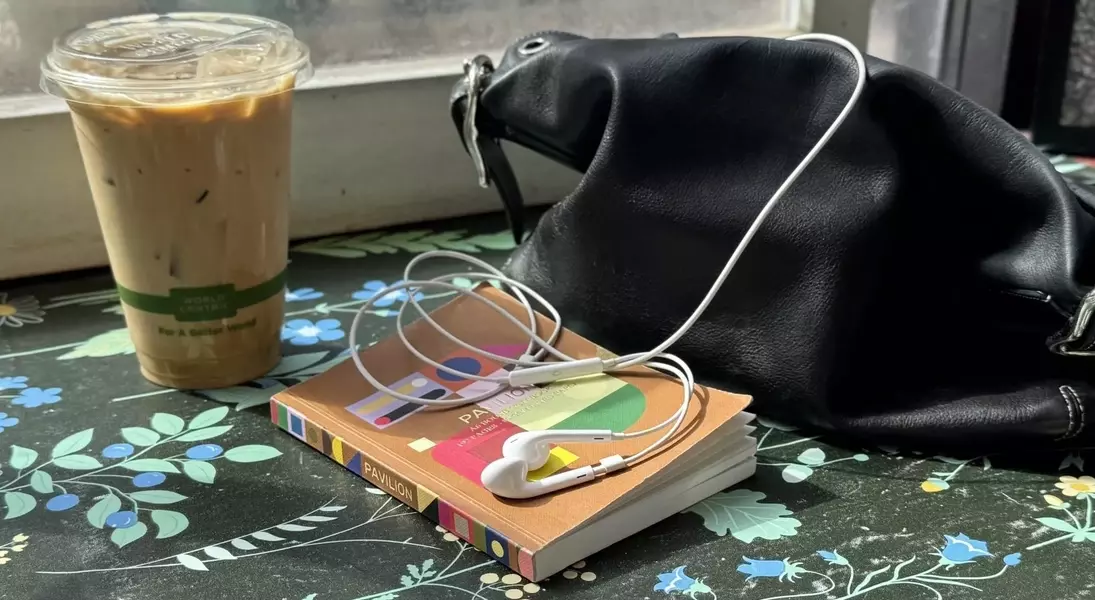


In an era dominated by wireless innovation, a personal preference for the classic wired earbud has emerged, challenging the widespread adoption of high-tech alternatives like AirPods Pro. This narrative explores one individual's transition from premium wireless earbuds back to the humble wired EarPods, emphasizing the unexpected benefits found in their simplicity and affordability. It delves into the practical advantages that wired connections offer, such as unwavering sound transmission and freedom from battery concerns, illustrating how personal comfort and value can outweigh the allure of advanced features. This journey underscores a broader contemplation: in the rapid march of technological progress, sometimes the most suitable solution is found in what's tried, true, and surprisingly cost-efficient.
The journey began with an initial enthusiasm for the AirPods Pro, driven by their reputation for superior audio quality, effective noise cancellation, and ergonomic design. The author acquired them in 2020, seeking a versatile audio companion for flights and workouts, further motivated by a significant discount. Despite the promising reviews and a seemingly perfect alignment of circumstances, the reality of using the AirPods Pro diverged from expectations. A persistent issue with fit plagued the experience; even after conducting Apple's Ear Tip Fit Test and experimenting with various ear tip sizes, the earbuds failed to remain securely in place. This instability, initially attributed to user error or external factors like wearing a beanie, became undeniable as warmer weather arrived and the wireless earbuds, no longer held in by snug headwear, frequently dislodged.
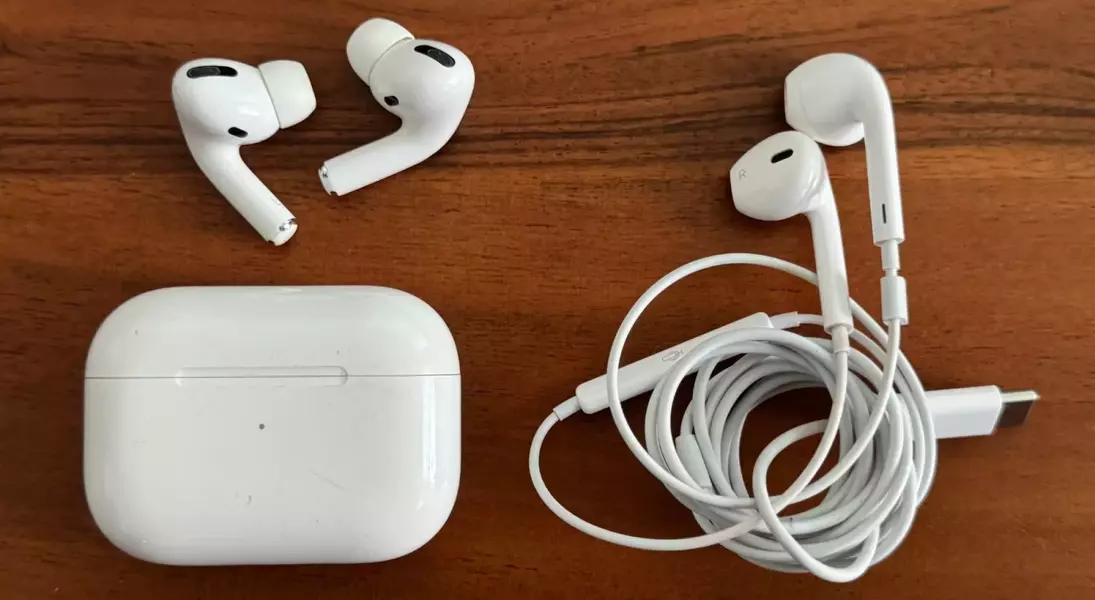
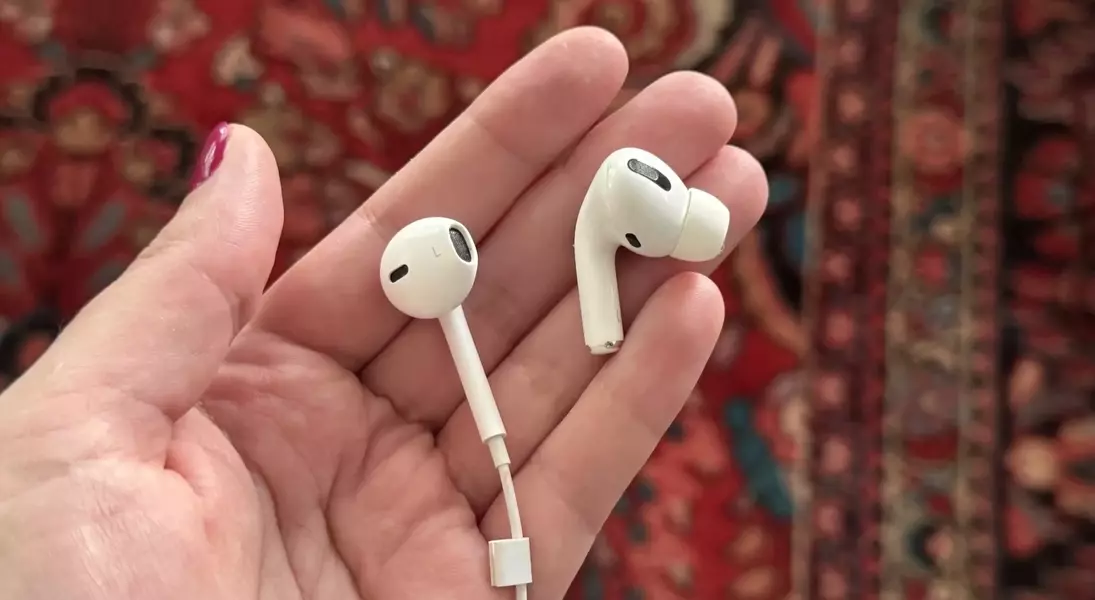
This ongoing problem rendered the AirPods Pro's celebrated features, such as active noise cancellation and spatial audio, largely unusable. The discomfort and constant worry of losing an earbud diminished the overall enjoyment, leading to the expensive devices being relegated to a desk drawer. The inability to trade them in for a new model, coupled with the reluctance to resell used earbuds due to hygiene concerns, left the author seeking a more reliable and comfortable listening solution. This search eventually led to rediscovering an old pair of Apple EarPods, those familiar wired headphones once bundled with iPhones, featuring a design that rests at the ear canal's edge rather than inserting deeply. The comfort and fit of these traditional earbuds, reminiscent of previous positive experiences with an iPod nano, prompted a re-evaluation of wired audio.
Embracing the wired solution, the author purchased a new pair of USB-C EarPods for a mere fraction of the AirPods Pro's cost. This decision was largely driven by the EarPods' superior fit and comfort, which proved far more critical than the advanced functionalities offered by their wireless counterparts. The consistent and reliable connection of wired earbuds eliminated concerns about battery life and Bluetooth pairing issues, offering a seamless audio experience. While some might view the wire as an inconvenience prone to tangles, the author found liberation in its practical benefits, including a reduced risk of misplacement and a subtle signal to others indicating a preference for uninterrupted listening. This shift highlights a personal redefinition of value, prioritizing dependable functionality and user comfort over cutting-edge, yet personally unsuitable, technology.
Ultimately, this personal anecdote serves as a compelling argument for re-evaluating consumer needs against the relentless tide of technological upgrades. It questions whether the pursuit of the latest gadgets always aligns with individual utility and comfort, especially when more affordable and simpler alternatives can fulfill daily requirements just as effectively, if not better. The choice to revert to wired EarPods, despite the availability of newer, feature-rich wireless models like the AirPods 4 or the redesigned AirPods Pro 3, underscores a pragmatic approach to technology adoption. It champions the idea that true satisfaction comes from a product that flawlessly meets personal demands, regardless of its price tag or perceived status, and encourages a mindful consideration of actual needs versus perceived innovation.
