The conversation surrounding fur in fashion has evolved significantly, with a renewed focus on vintage pieces. This article explores diverse viewpoints from fashion industry insiders regarding the ethical and environmental considerations of wearing real fur, particularly in its vintage form, as opposed to modern alternatives.
Embracing Heritage: The Timeless Allure of Vintage Fur
The Unforeseen Return of a Divisive Trend
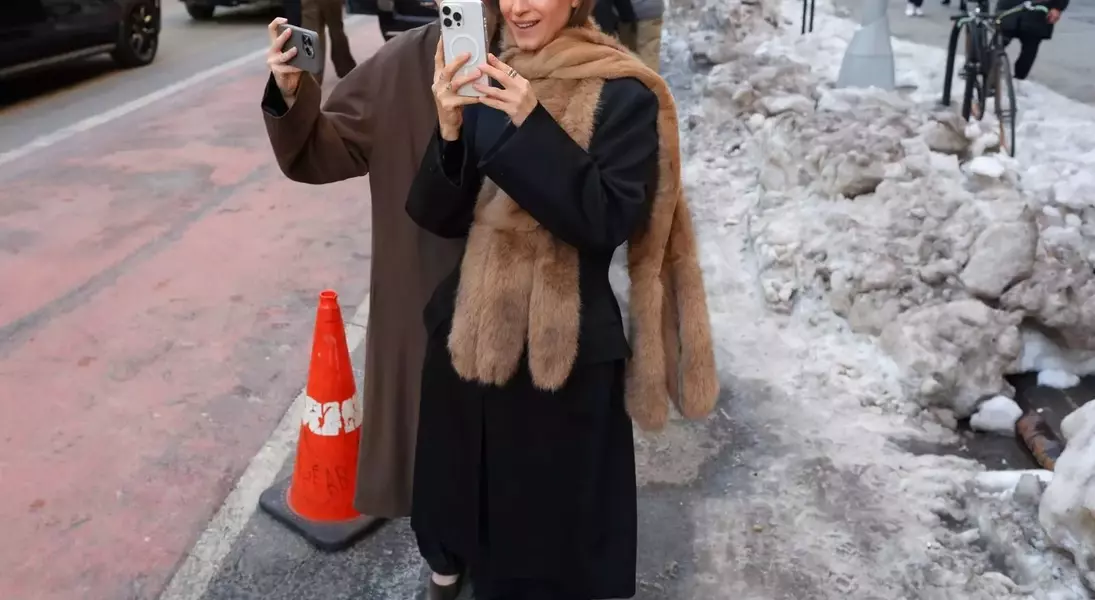
A personal anecdote illustrates the prevailing curiosity about wearing fur in current times. A friend's query about sporting a family heirloom fur coat amidst freezing temperatures in New York City sparked a broader dialogue. This personal experience mirrored discussions held during New York Fashion Week and within Vogue's offices, indicating a widespread reconsideration of vintage fur's place in modern wardrobes.
Industry Voices on Fur's Comeback
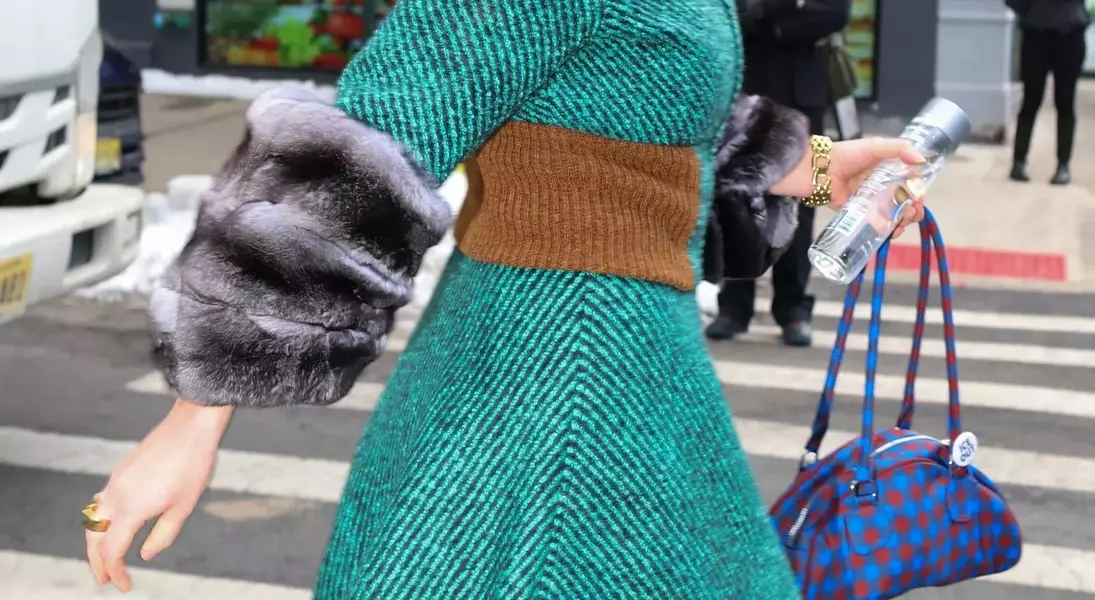
Margaux, a passionate collector of vintage fur, highlights its omnipresence during recent fashion events, attributing its popularity to warmth and inherent chicness. Nicole Phelps, Vogue Runway director, expresses her astonishment at fur's resurgence, especially given the historical anti-fur protests by organizations like PETA. She notes a particular trend among younger generations who pair vintage furs with casual wear, which she interprets as a dismissive stance towards the anti-fur movement.
Ethical Dilemmas and Plant-Based Perspectives
Alyssa Hardy, digital director of Teen Vogue, acknowledges the prevalence of vintage fur among her peers but questions the appropriateness of wearing it prominently. As a long-standing plant-based individual, she personally refrains from wearing fur, also noting her lack of inherited pieces, a common source for others acquiring such garments.
The 'Mob Wife' Influence and Sustainability Debates
Alexandra Hildreth, a fashion news writer for Vogue Runway, points to the 'mob wife' aesthetic as a catalyst for mainstreaming real fur once more. Her circle often agrees that vintage or second-hand fur presents a more sustainable option than its faux counterparts. This shift reignites debates about the true sustainability of faux fur and whether fur's return is a subtle nod to conservative ideologies.
The Nuances of Ethical Consumption
Christian Allaire, a senior fashion writer at Vogue, observes continued skepticism around fur, yet highlights a growing consensus that vintage furs offer a more ethical alternative. He also points out the environmental concerns associated with many faux furs, which are often plastic-based. Lilah Ramzi-Goettleman, a contributing editor, shares her complex views on consumption, prioritizing concerns about overproduction and disposability over heirlooms. She finds elegance in repurposing vintage coats, seeing it as a rescue mission for forgotten garments.
The Market for Pre-Owned Fur and Its Implications
Nicole believes the current fashion landscape supports a robust vintage market, partly because many brands have committed to not producing new real fur items. Laird Borelli-Perrson, senior archive editor at Vogue Runway, critiques the environmental impact of faux fur production, envisioning plastic waste. She questions whether wearing vintage fur inadvertently fuels the demand for new fur or faux lookalikes. Margaux further corroborates the vintage fur boom, sharing her own extensive collection and citing a Substacker's observation of vintage fur selling rapidly at markets, especially in colder climates.
Cultural Context and Future Considerations
Laird emphasizes the importance of context in the fur discussion, noting the historical significance of fur in places like Copenhagen and posing questions about the fate of traditional fur-crafting skills. Alyssa reiterates the undeniable negative impacts of new fur production on the environment and animals, while acknowledging the arguable case for vintage fur, despite her personal reservations. Lilah suggests that the stigma surrounding fur significantly lessens when "vintage" precedes it, advocating for greater scrutiny of fast fashion compared to inherited fur. Nicole highlights the impending fur ban at New York Fashion Week by the CFDA, yet points out the cultural shift moving in the opposite direction. Christian shares a perspective rooted in Indigenous traditions, where animal parts, including fur, are utilized with deep respect, ensuring the animal's spirit lives on, viewing it as more than just a fashion statemen
