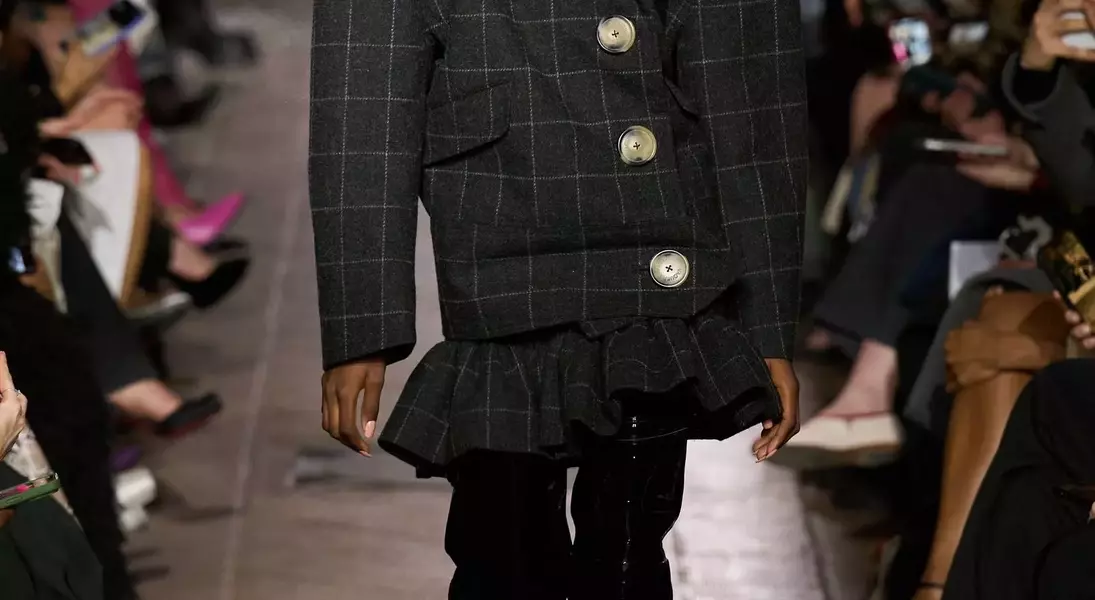
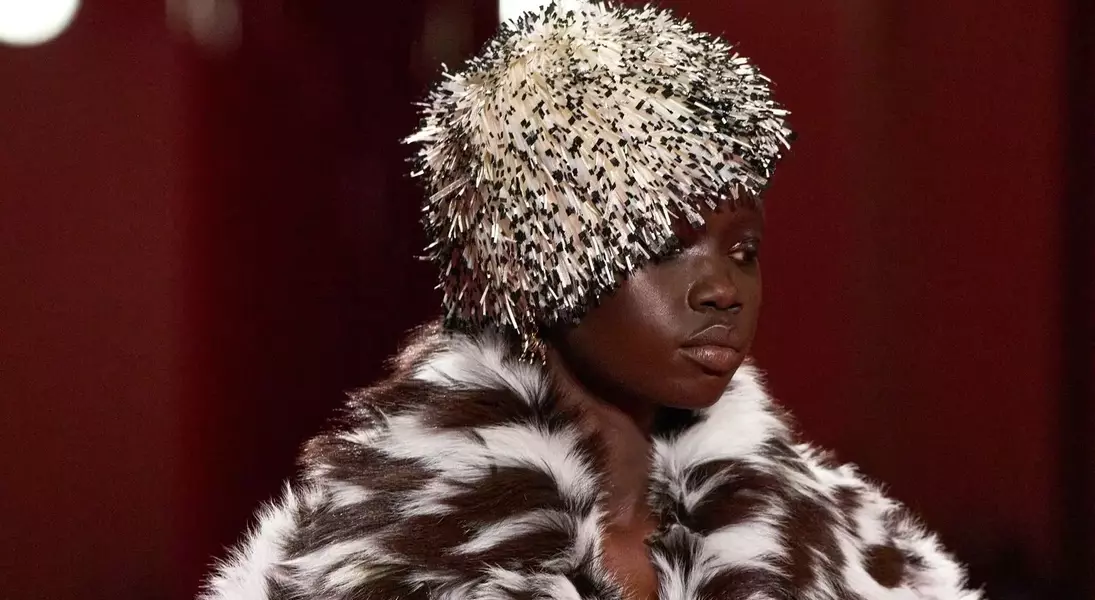
In the midst of a prevailing '90s fashion revival, a striking counter-trend is capturing attention on the global runways, particularly in New York and Paris. This emerging movement centers around bold and distinctive headwear, ranging from whimsical fascinators to practical yet stylish winter caps. Designers are exploring themes of personal allure, identity, and individual expression through these statement pieces, offering a fresh perspective on how accessories can transform an outfit and communicate a wearer's persona. This focus on unique headpieces suggests a shift towards more expressive and artistic elements in contemporary fashion.
As designers delve into the concept of "aura farming" and the evolving nature of identity in the digital age, headwear becomes a pivotal tool for self-presentation. From elaborate masks designed to create an air of mystery to reflective surfaces that confront notions of the "true self," these accessories are more than mere adornments. They are integral to the narrative of each collection, providing an opportunity for sartorial drama and a departure from minimalist norms, demonstrating that even in a streamlined fashion environment, a well-chosen hat can make an undeniable impact.
Theatrical Headwear: Crafting Mystery and Allure
The current fashion scene is witnessing a noticeable surge in theatrical headwear, a phenomenon that offers a compelling contrast to the ongoing '90s nostalgia. Designers are utilizing a diverse range of headpieces, from the overtly dramatic to the subtly intriguing, to create a sense of mystery and enhance the wearer's allure. This trend, gaining traction from New York to the opening days of Paris Fashion Week, suggests a deliberate move towards more expressive and character-driven styling. Whether it's the playful sophistication of racoon-inspired masks or the cozy appeal of shrunken caps, these pieces serve as instruments of intrigue, reflecting a broader cultural interest in how individuals curate their public image in both physical and digital realms.
Designer Julie Kegels, for instance, explores the transformative power of clothing through her collection, featuring items like racoon robber masks in various colors and miniature caps, all designed to add an element of mystique and redefine physical perception. Similarly, Daniel de Valle's Fall collection for The Vxlley, aptly titled "The Narcissist," initiates with a masquerade theme, highlighting the use of headwear to create an enigmatic presence. This approach aligns with the concept of "aura farming," where individuals subtly manipulate their appearance to draw attention and cultivate a unique personal mystique. The emphasis on headwear as a tool for obscuring or enhancing identity speaks to a desire for more nuanced and engaging forms of self-expression beyond conventional fashion statements.
Identity and Reflection: From Avant-Garde to Playful
Beyond creating mystery, contemporary headwear trends are also deeply intertwined with themes of identity and reflection, often manifesting in highly avant-garde or surprisingly whimsical forms. While some designers use headpieces to shroud the wearer in intrigue, others leverage them to provoke a more direct confrontation with the concept of self. This duality highlights the versatility of headwear as a design element, capable of both concealing and revealing. From sculptural creations that challenge traditional perceptions to pieces that offer a lighthearted take on fashion, these accessories become central to exploring the complexities of personal identity in a modern context.
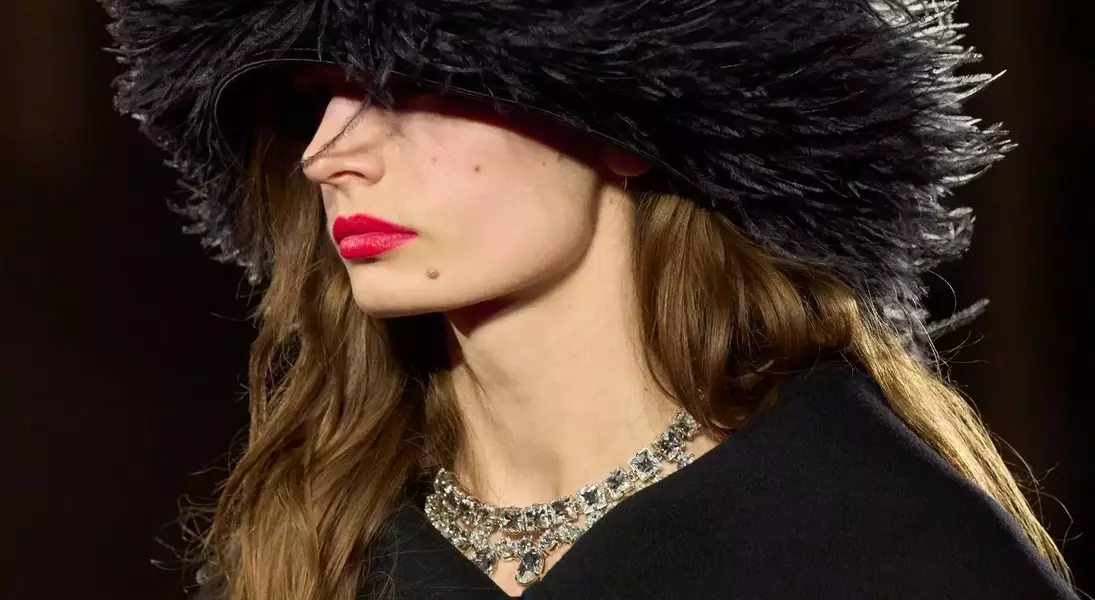
Hodakova's collection, for example, utilizes avant-garde creations to explore the "true self," featuring unconventional pieces such as a wooden contraption with shredded violin strings draped over a model's face, drawing attention to a stripped-down aesthetic. In a more literal interpretation of reflection, a model in a stark white dress holds mirrors to her face, leaving no room for concealed flaws, symbolizing the transparency of the digital age. In contrast, Vaquera injects a riotous energy into classic shapes, reinterpreting pillbox hats with cut-outs for a more audacious, youthful vibe. Designers like Jacquemus and Michael Kors offer elegant interpretations, with sculptural French-girl allure and feathered mushroom caps respectively. Bottega Veneta’s Louise Trotter presents off-kilter berets and cozy knit skull caps, while Moschino embraces pure joy with bunny-eared pillbox hats. These diverse approaches demonstrate how headwear can simultaneously reflect internal states and project external personas, spanning the spectrum from introspective art to playful celebration.
