
The ubiquitous graphic T-shirt is undergoing a notable renaissance, signaling a shift in fashion where individuals are increasingly eager to display their unique personalities through their clothing. This resurgence challenges the era of minimalist basics, inviting a more expressive approach to daily wear. However, navigating the world of graphic tees requires discernment, as it ranges from mass-produced designs often criticized for poor taste and wastefulness to curated pieces that hold significant personal value.
Expert collectors and designers are at the forefront of this movement, demonstrating how to transform seemingly unremarkable garments into prized possessions. Their methods involve not just an appreciation for the intrinsic design but also an understanding of the stories and contexts embedded within each piece. This transformation underscores a growing desire for authenticity and individuality in fashion, moving away from fleeting trends towards items that resonate on a deeper, more personal level. The distinction between a mediocre and a remarkable graphic tee often lies in its narrative, its wear, and the unique perspective it offers.
The Art of Curating and Customizing Graphic Tees
The journey of a graphic T-shirt from an ordinary item to a cherished piece often begins with a discerning eye and a touch of creativity. Emily Manning, an artist based in Brooklyn, exemplifies this by specializing in collecting Cape Cod-themed T-shirts. She collaborates with fellow artist Payton Barronian to repurpose discarded merchandise from Cape Cod, Martha’s Vineyard, and Provincetown. Their process involves drawing inspiration from historical sources, such as a 1954 cookbook, to add bespoke elements like glitter appliqués to otherwise standard tops. This artistic intervention elevates these items, making them feel more connected to the wearer and transforming them from commonplace thrift store finds into unique, special garments.
Similarly, Artem Emelianov, proprietor of World Vintage in Los Angeles, holds a distinctive view on graphic tees. He dismisses tees created solely for profit without genuine thought or emotion, especially those mimicking fleeting Instagram trends. Conversely, he values tees that acquire character through wear—fading, cracking prints, or crooked placements—as these imperfections tell a story of longevity and authenticity, steering clear of artificial distressing. Emelianov particularly favors T-shirts from local businesses like mechanics, plumbers, delis, and bars, recognizing the unique, community-centric designs often produced without professional designers, especially those from the 1970s or 1980s, which frequently embody a subtle sense of humor in their design or taglines.
Context and Identity: The Deeper Meaning of Graphic T-Shirts
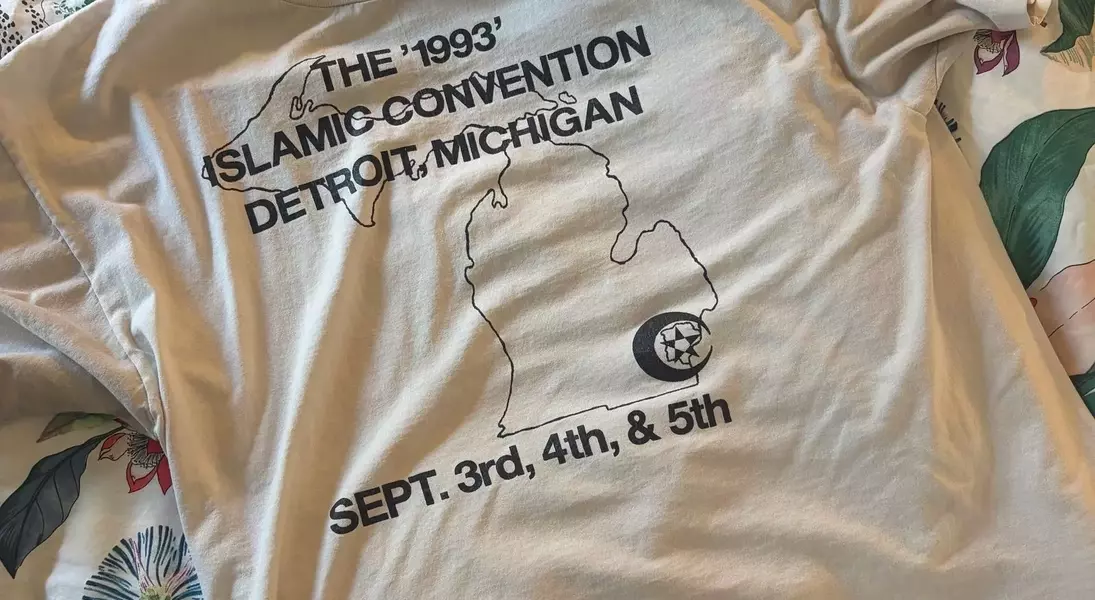
The significance of a graphic T-shirt extends beyond its visual appeal, often drawing meaning from its context and the identity of its wearer. Lukas Fracher, owner of Luke's Vintage, highlights how signs of wear can imbue a shirt with value, transforming a simple, well-worn Nike long-sleeve, once overlooked, into a desirable item when worn by someone with a distinctive style. This demonstrates that a shirt's perceived worth can change dramatically based on how and by whom it is styled, underscoring the power of re-contextualization in fashion. Fracher's experience with a "1993 Detroit Islamic Conference" tee, worn with a campy sensibility, further illustrates how personal interpretation can redefine an item's message.
Designers like Emily Dawn Long utilize graphic tees as a platform for self-referential humor and personal narratives, allowing wearers to find their own connections to slogans inspired by movies or personal catchphrases. However, not all designs are embraced, with skepticism surrounding overly ironic or culturally hollow pieces. Bijan Shahvali of Intramural Shop emphasizes the role of graphic tees as symbols of community and belonging, where specific niche graphics can instantly convey shared understanding among members of a “tribe.” This communal aspect stands in contrast to mass-produced, diluted iconography, such as ubiquitous band merchandise or commercial collaborations with artists, which can inadvertently diminish the original message and flatten individual expression. Ultimately, the most impactful graphic tees achieve a delicate balance of restraint and subtlety, inviting interpretation and dialogue rather than overtly stating an identity, making them potent tools for personal expression and cultural commentary.
