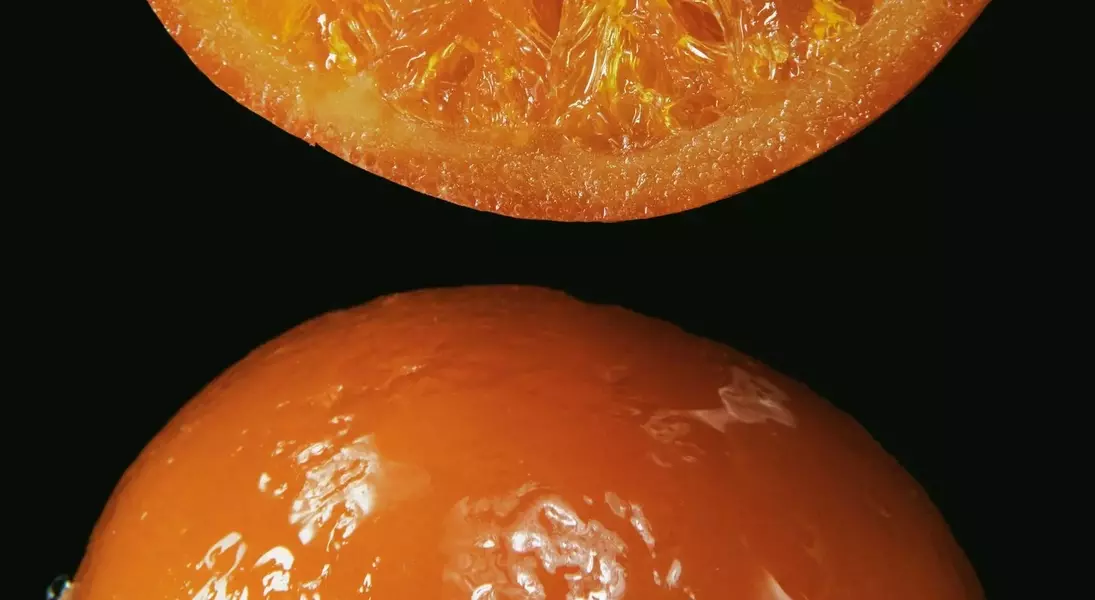
Candied fruit, a time-honored delicacy, is currently undergoing a captivating renaissance in the gastronomic world. Far from being confined to classic confections like fruitcake, these glistening, jewel-toned marvels are now at the forefront of modern dessert decoration and artistic food displays. This piece delves into the enduring allure of candied fruit, its meticulous preparation methods, and its rich global heritage, showcasing how culinary innovators are reimagining this ancient art form to create breathtaking edible masterpieces from both fruits and vegetables.
Experience the Dazzling Rebirth of a Timeless Sweet: Candied Fruit, Transformed.
The Allure of Glazed Delights: A Sweet Renaissance in Modern Cuisine
In the evolving landscape of gourmet trends, candied fruit has emerged as a captivating spectacle, gracing everything from avant-garde pastry designs by acclaimed chefs to the elaborate tablescapes of high-fashion events, and enchanting the feeds of influential food aesthetes. These lustrous, vividly colored confections possess an almost ethereal charm, drawing the eye with their shimmering surfaces.
Unveiling the Enduring Magic: Why Candied Fruit Continues to Enchant
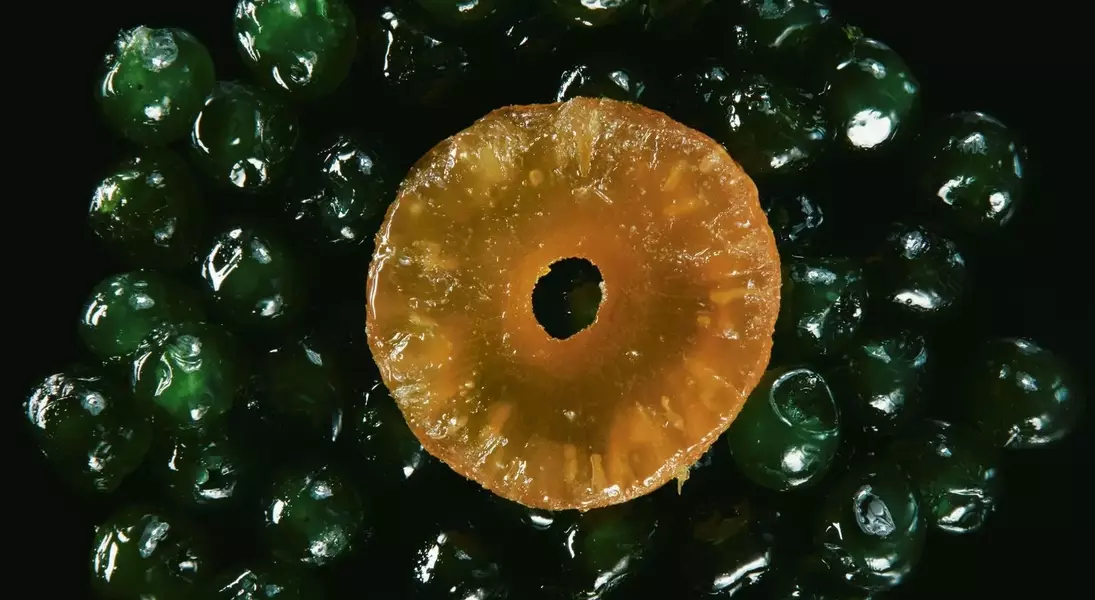
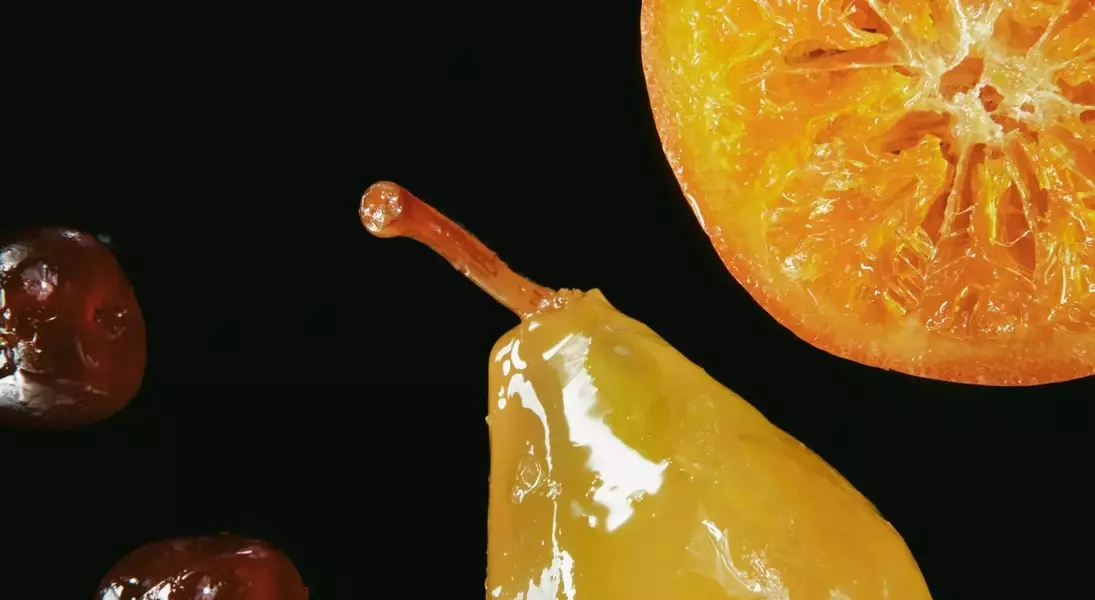
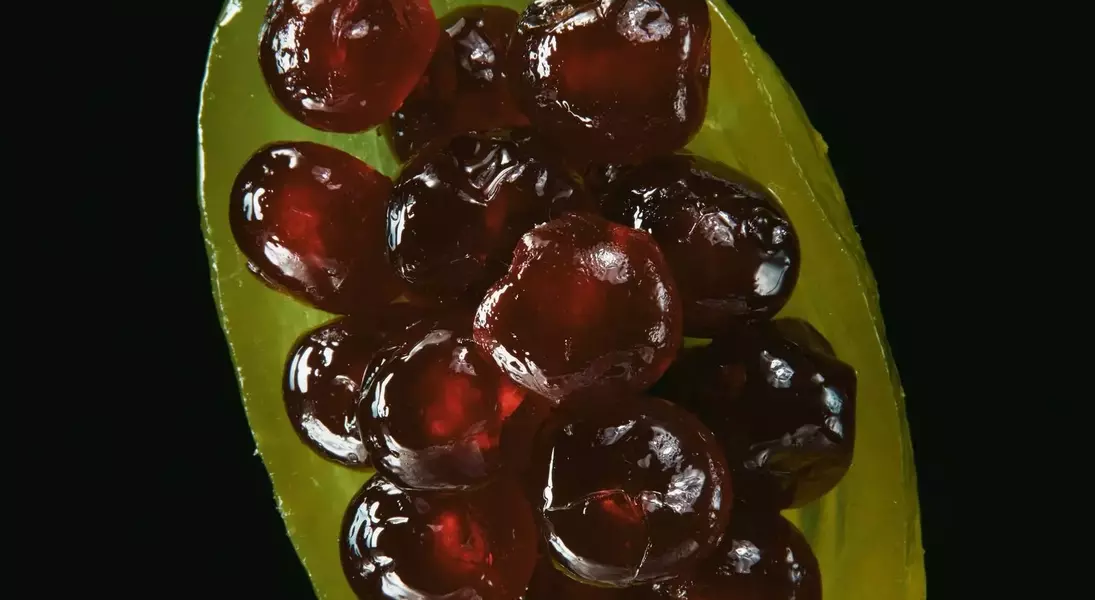
This artisanal treat, once a staple of conventional sweets, is experiencing a radiant resurgence. What makes this venerable confection so compelling in the modern era? Camilla Wynne, author of Nature's Candy, elucidates its unique appeal: the characteristic translucence of candied fruit. This enchanting quality evokes imagery of precious gemstones, delicate blown glass, or, as Wynne eloquently describes, the luminous glow of jellyfish, bestowing upon it a magical visual effect.
The Art of Preservation: Transforming Fruit into Timeless Edible Jewels
Beyond its striking aesthetics, the intrinsic value of candied fruit lies in its remarkable ability to extend the life of fresh produce. As Wynne points out, the ingenious method of substituting the fruit's water content with sugar not only imbues it with a radiant glow but also creates an environment where spoilage-causing microbes cannot thrive. This labor-intensive craft, involving days or even weeks of meticulous boiling and syrup immersion, ensures that the fruit's cellular structure is thoroughly permeated by sugar, culminating in a product that is both visually stunning and remarkably durable.
A Global Heritage: The Ancient Roots and Enduring Appeal of Candying
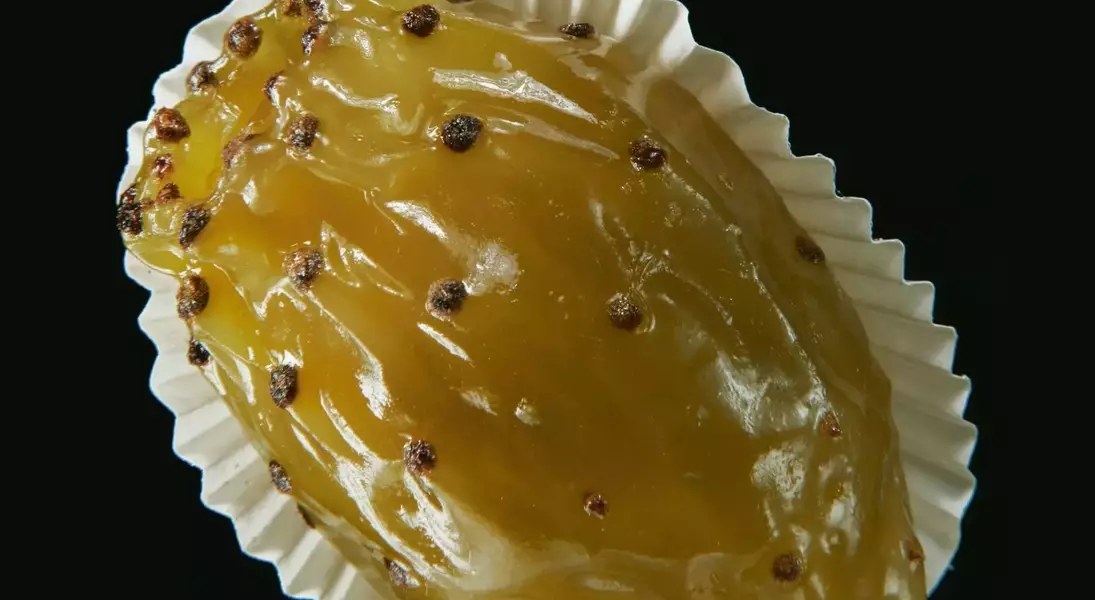
Candying, recognized as one of the most aesthetically pleasing techniques for preserving produce, boasts a venerable history stretching back to ancient China and Rome. Despite (or perhaps because of) the immense effort required, these sugary delights have sustained their popularity, particularly across the Mediterranean. Here, one can find entire candied fruits showcased in markets from Aleppo to Provence, and experience the warm hospitality of Balkan and Levantine homes, where syrupy spoon sweets are traditionally offered.
Innovation in Confectionery: Pushing the Boundaries of Candied Creations
Today, this age-old technique is being innovated by visionary culinary artists worldwide. From Mexican dulce de calabaza to Vietnamese mứt tắc or mứt quất (candied kumquats), the tradition thrives. A prime example is Chef Alessandro Giannatempo, who, for a London Fashion Week event, adorned a cake with candied vegetables. These luminous snap peas, along with delicate ribbons of radish and carrot, showcased a beauty as ethereal as any traditional glacé pear or citron. Regardless of the ingredient, candied creations, when stored correctly, can be treasured for months, or even years, akin to miniature works of art.
