The author reflects on the evolution of the Resident Evil franchise, expressing excitement for the upcoming title, "Resident Evil Requiem." This anticipation stems primarily from its perceived return to the series' foundational sci-fi horror elements, contrasting sharply with the fantasy-driven narrative of its predecessor, "Resident Evil Village." The piece delves into why "Village," despite its Gothic charm, felt incongruous with the core identity of Resident Evil, and highlights the hope that "Requiem" will deliver a more coherent and scientifically-rooted horror experience, featuring new characters and a more seasoned Leon Kennedy.
"Requiem": Reclaiming the "Resident Evil" Identity
Anticipating "Requiem": A Fresh Direction for the Franchise
Like many devotees of survival horror, I eagerly await the launch of Resident Evil Requiem. My excitement is multifaceted: I look forward to delving into the character of Grace Ashcroft, unraveling the mysteries surrounding new adversaries, and witnessing a more seasoned, mature rendition of Leon Kennedy in action. However, my most significant reason for this enthusiasm is that Resident Evil Requiem appears to chart a distinct course, diverging significantly from the style of Resident Evil Village.
The "Village" Dilemma: When Gothic Horror Misses the Mark
Before any judgment is cast, allow me to explain: I share a profound appreciation for fanged, voluptuous vampire figures, eerie fortresses, and formidable lycanthropes. Gothic horror stands as a cherished genre in my personal media consumption, and on paper, Village presented itself as an ideal gaming experience for me. Yet, despite my earnest attempts, I found it challenging to fully engage with the game, largely due to difficulties in embracing its narrative. While I consider Village a commendable game in its own right, I ultimately believe it did not fully embody the essence of a true Resident Evil title.
Sci-Fi vs. Fantasy: The Core Identity of Resident Evil
Historically, the Resident Evil saga has consistently leaned towards a scientific horror framework rather than a fantastical one. While I commend Capcom for its willingness to experiment with Village, the final product felt more akin to an extended homage to classic Universal movie monsters than the chilling scientific adventure I seek in a Resident Evil installment. To its credit, the game's writers did offer explanations for the existence of these fantasy-inspired creatures within a world devoid of magic. The lycanthropes were attributed to genetic manipulation, and Lady Dimitrescu's transformation was linked to a blood ailment and a parasitic organism. Nevertheless, I still found myself battling animated porcelain dolls, controlled by an unseen puppeteer, a scenario that stretched the boundaries of believability.
Suspension of Disbelief: When the Narrative Breaks
Such elements might have found a comfortable home in a game inspired by works like Bram Stoker's Dracula, where the mechanics of "how" are secondary to the narrative's impact. However, despite the often-outlandish nature of the Resident Evil franchise, my capacity for suspending disbelief has its limits. Engaging with Village felt akin to consuming a peanut butter and turkey sandwich—individually, the components are enjoyable, but their combination left an unpalatable impression.
"Requiem's" Promise: A Return to Plausible Horrors
Based on preliminary glimpses, Resident Evil Requiem signals a hopeful return to the franchise's scientific horror origins. The plot appears to follow FBI agent Grace Ashcroft and the beloved former RCPD rookie, Leon Kennedy, as they endeavor to uncover the truth behind the demise of Grace's mother, the investigative journalist Alyssa Ashcroft. While the presence of formidable monsters is undoubtedly expected, I anticipate that these adversaries will possess more grounded and credible backstories, moving beyond simplistic explanations such as "a parasite transformed me into a captivating Gothic vampire."
Embracing Calculated Absurdity: The Balance of Reality and Narrative
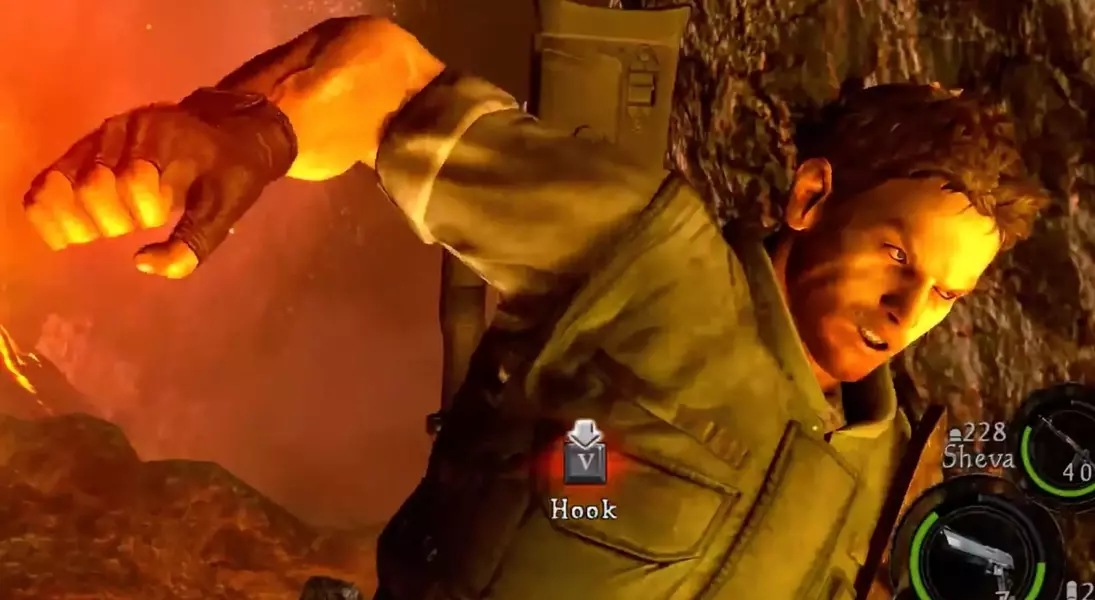
I do not advocate for an entirely realistic approach to Resident Evil games, as such a demand would be unreasonable. Indeed, the franchise often shines brightest when its plot ventures into controlled absurdity. Resident Evil 4, despite its dreamlike narrative, was an extraordinary experience, and Resident Evil 5 featured the unforgettable moment of Chris Redfield physically moving a boulder with his bare fists—a truly iconic scene. I am not suggesting that Resident Evil needs to meticulously explain every plot point. Rather, my excitement stems from the prospect of returning to a version of the franchise where the question of "how?" is not only relevant but is also addressed by the writers in a manner that fosters a sense of plausible belief.
