

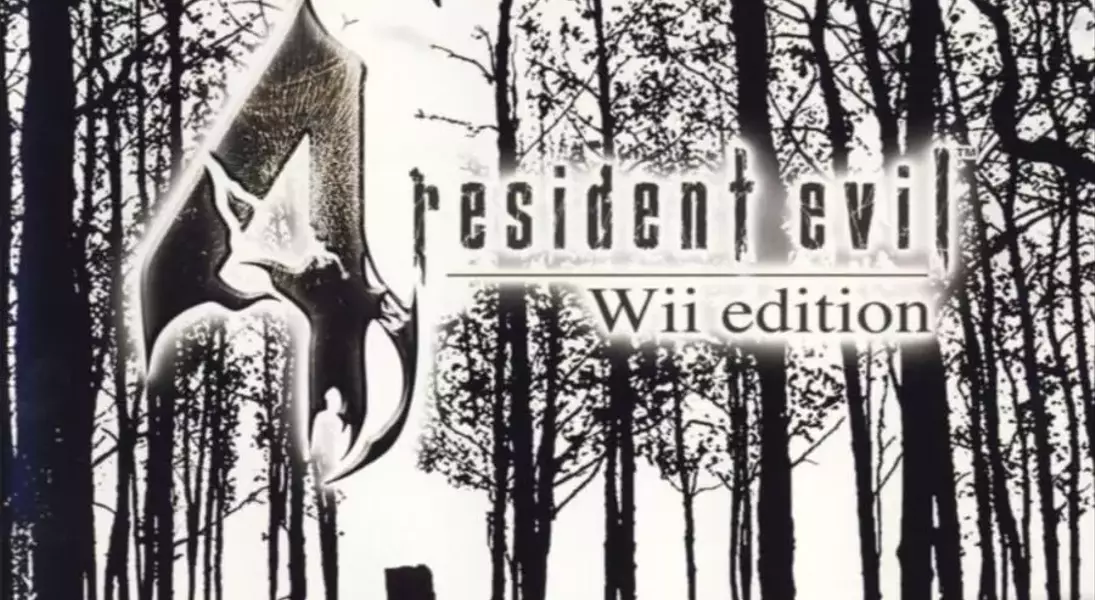
This analysis critically examines the diverse box art presentations for Resident Evil 4: Wii Edition from North America, Europe, and Japan. It explores the distinct visual strategies employed by each region to encapsulate the game's essence, from character-centric layouts to more atmospheric and thematic designs, ultimately prompting a community-driven assessment of their effectiveness.
Comparing Regional Box Art Approaches
The discussion centers on the contrasting box art strategies for Resident Evil 4: Wii Edition across major gaming markets. The North American design prominently features the protagonist, Leon Kennedy, amidst a horde of adversaries, aiming to convey the intense action and perilous situations central to the game's narrative. This direct approach seeks to immediately inform potential players about the game's genre and key elements through a clear depiction of its hero and threats. In contrast, the European version adopts a more artistic and abstract style, drawing inspiration from the original GameCube release's regional cover. This rendition focuses on mood and atmosphere, utilizing stark imagery and shadow play to evoke a sense of dread and mystery, rather than explicitly showcasing characters or action scenes. The Japanese box art, while sharing the central character focus with the North American version, opts for a tighter, more stylized close-up of Leon, often cropping out surrounding elements and employing a cooler color palette. This choice emphasizes the protagonist's gravitas and the game's dramatic flair, presenting a sleek, refined image that aligns with certain aesthetic preferences in the Japanese market.
Each region's box art for Resident Evil 4: Wii Edition reflects a deliberate artistic and marketing choice, showcasing how different cultural contexts and design philosophies influence game presentation. The North American cover, with its dynamic composition of Leon Kennedy surrounded by villagers and the formidable Bitores Méndez, clearly telegraphs the game's action-horror blend, albeit with a slight logical inconsistency in Leon's posed stance amidst immediate danger. This visual narrative is designed to be immediately gripping and informative for its audience. Europe's artistic direction, however, veers towards a more evocative and less literal interpretation. By featuring Dr. Salvador, the Chainsaw Man, enveloped by ominous tree trunks and employing striking shadow effects, it prioritizes a sense of pervasive horror and suspense. This design, while impactful, aims for a more abstract representation of fear rather than explicit action. The Japanese version, while using a similar foundational image to the North American release, distinguishes itself through a zoomed-in perspective on Leon and a refined color scheme. This focus creates an eye-catching design that prioritizes the protagonist's presence, though it sacrifices a broader depiction of the game's world. This nuanced comparison reveals how each region sought to appeal to its target demographic, balancing informational content with artistic expression to create compelling packaging for a critically acclaimed title.
The Evolution of Resident Evil 4 on Wii
Resident Evil 4 on the Wii is celebrated for its innovative implementation of motion controls, transforming the gameplay experience with intuitive aiming mechanics and responsive quick-time events. This iteration is frequently lauded by critics and fans alike as one of the definitive ways to play the game, enhancing immersion and precision. The motion controls allowed players to aim their weapons with a newfound level of accuracy, making combat feel more engaging and dynamic. This technological leap arguably streamlined certain aspects of the game, potentially making it more accessible to a wider audience while still retaining the core challenge and thrill that fans expected. The integration of these features into an already stellar title demonstrated the Wii's potential for reimagining established franchises, offering a fresh perspective on a beloved classic. Beyond just control schemes, the Wii Edition also boasted graphical improvements and additional content, further solidifying its status as a significant entry in the Resident Evil series and a benchmark for re-releases on the platform.
The transition of Resident Evil 4 to the Wii platform marked a significant moment in the game's history, as it not only introduced a new control scheme but also sparked a debate among fans regarding the 'best' version of the acclaimed title. The motion controls, specifically for aiming, were a game-changer, providing a level of precision and immersion that was difficult to achieve with traditional controllers. This enhanced aiming system, coupled with the interactive quick-time events, made the game's intense combat sequences even more visceral and responsive. While some purists argued that the increased ease of aiming might dilute the original game's challenge, many players found the new controls to be a refreshing and highly engaging way to experience the horror and action. This version also often included all the bonus content and graphical refinements from previous releases, making it a comprehensive package. The discussion surrounding the Wii Edition's merit underscores its impact, highlighting how a console's unique hardware capabilities can breathe new life into an already iconic game and reshape player perceptions of difficulty and engagement. It stands as a testament to the enduring appeal of Resident Evil 4 and the creative ways developers can adapt and enhance their creations for different platforms.
