This article delves into the Republican party's renewed advocacy for high-deductible health insurance plans and health savings accounts (HSAs) as a central component of their healthcare agenda. It explores the historical underpinnings of this policy direction, its perceived benefits, and the unintended consequences experienced by individuals navigating the complexities of medical care under such systems. Through a personal narrative, the piece illustrates the financial burdens that can arise, while also examining expert opinions on the efficacy and fairness of expecting patients to actively “shop” for healthcare services.
Navigating Healthcare's Future: A Deep Dive into High-Deductible Plans and HSAs
The Human Cost of High Deductibles: A Personal Account
Sarah Monroe, once enjoying a comfortable middle-class existence, found her life upended when a serious health condition emerged during her pregnancy. Despite having health insurance through her employment, she accumulated over $13,000 in medical bills within a year, illustrating the significant financial strain that can accompany a high-deductible health plan. Her story highlights the vulnerability many insured Americans face when confronted with unexpected and costly medical needs.
Revisiting Republican Healthcare Strategies: Emphasis on Patient-Driven Choices
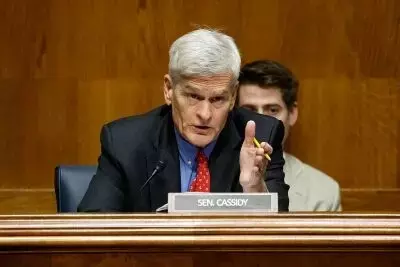
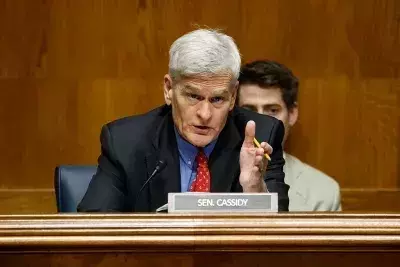
The Republican Party, including figures like former President Donald Trump and Senator Bill Cassidy, has been actively promoting high-deductible health plans and health savings accounts as a core element of their healthcare reform proposals. Their vision often involves directing government funds into HSAs rather than subsidizing insurance premiums, with the stated goal of empowering patients to make more cost-effective healthcare decisions. This approach reflects a long-standing conservative philosophy that emphasizes consumer-driven healthcare.
The “Skin in the Game” Theory: A Historical Perspective and Its Real-World Efficacy
The concept of “skin in the game” in healthcare, where patients bear a greater portion of initial medical costs, gained traction two decades ago as an alternative to the perceived limitations of HMOs. The belief was that this would encourage patients to seek more affordable, higher-quality care. However, as Shawn Gremminger of the National Alliance of Healthcare Purchaser Coalitions points out, this expectation has largely not materialized. Despite the widespread adoption of deductibles, healthcare costs have continued to escalate dramatically.
The Illusion of “Medical Price Shopping”: Challenges and Realities
While high-deductible plans theoretically encourage patients to compare prices for medical services, the practicalities often prove challenging. Sarah Monroe's experience with a complex pregnancy and heart condition made it unfeasible to “shop around,” leading her to prioritize safety over cost. Experts, such as oncologist Fumiko Chino, emphasize that for serious illnesses like cancer, expecting patients to compare prices for complex treatments is unrealistic and potentially detrimental to their care.
The Unseen Toll: Medical Debt and Its Devastating Consequences
The proliferation of high-deductible plans has contributed to a significant increase in medical debt across the U.S., affecting approximately 100 million people, many of whom are insured. This debt can lead to severe personal hardship, as exemplified by Monroe's family being forced to downsize their home, facing credit score depreciation, and experiencing vehicle repossession. Research has even linked high-deductible plans to increased mortality risk for cancer patients, underscoring the profound and often overlooked consequences of these policies.
