



"The Legend of Zelda: Tears of the Kingdom" offers an expansive world that beckons players for multiple journeys. However, even the most beloved adventures can become predictable after repeated explorations. This guide presents twelve creative and specific approaches designed to revitalize your experience, transforming familiar quests into entirely new challenges. These methods range from imposing classic, formidable restrictions to encouraging a deeper, alternative engagement with the game's rich narrative. By adopting these unique playstyles, you can uncover hidden facets of Hyrule and rediscover the magic of your initial playthroughs.
Transforming Your Hyrule Adventure: Unique Challenges for a Fresh Playthrough
Embarking on a new adventure in "The Legend of Zelda: Tears of the Kingdom" can be profoundly re-energized by adopting unconventional playstyles. For instance, consider a total immersion challenge: banishing all forms of rapid transit. This means no using the map's warp points or shrine teleports. Instead, traverse the vast landscapes of Hyrule by foot or horseback, transforming every journey into a deliberate exploration. This forces a re-evaluation of the map, turning familiar stables into vital strategic hubs rather than mere conversation spots, and reintroduces the thrill of navigating the unknown.
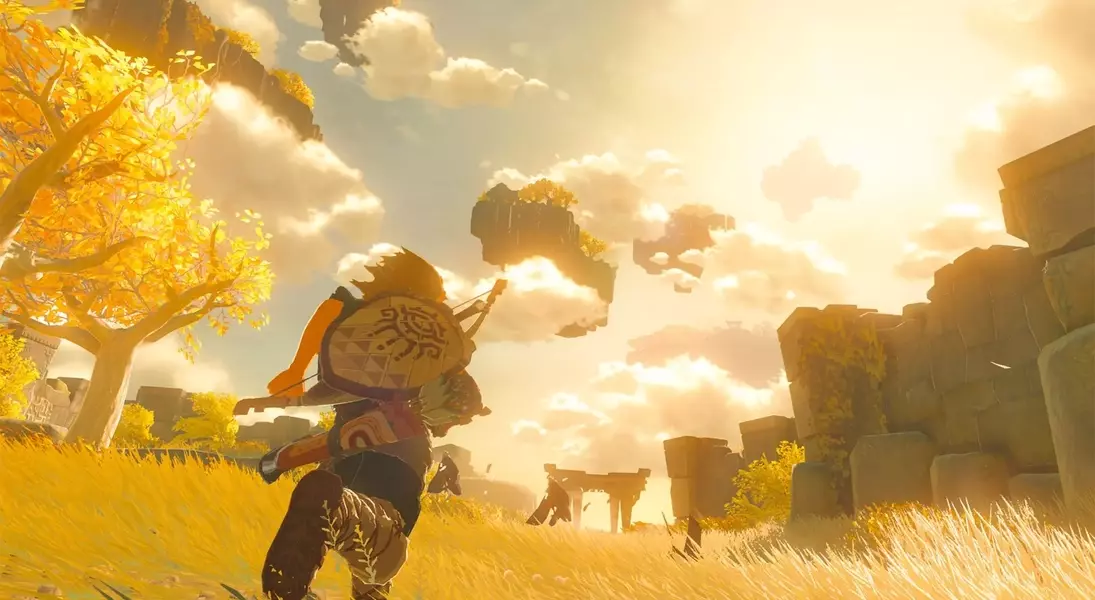
Another fascinating approach is to play without a visual map or minimap. By relying solely on Pro HUD and environmental cues, players are compelled to sharpen their observational skills. Noticing subtle details like unique rock formations, distant architectural outlines, or the winding path of rivers becomes crucial. This intense focus on the surroundings can deepen one's connection to Hyrule, making the world feel fresh and mysterious, much like the initial awe-inspiring moments on the Great Plateau.
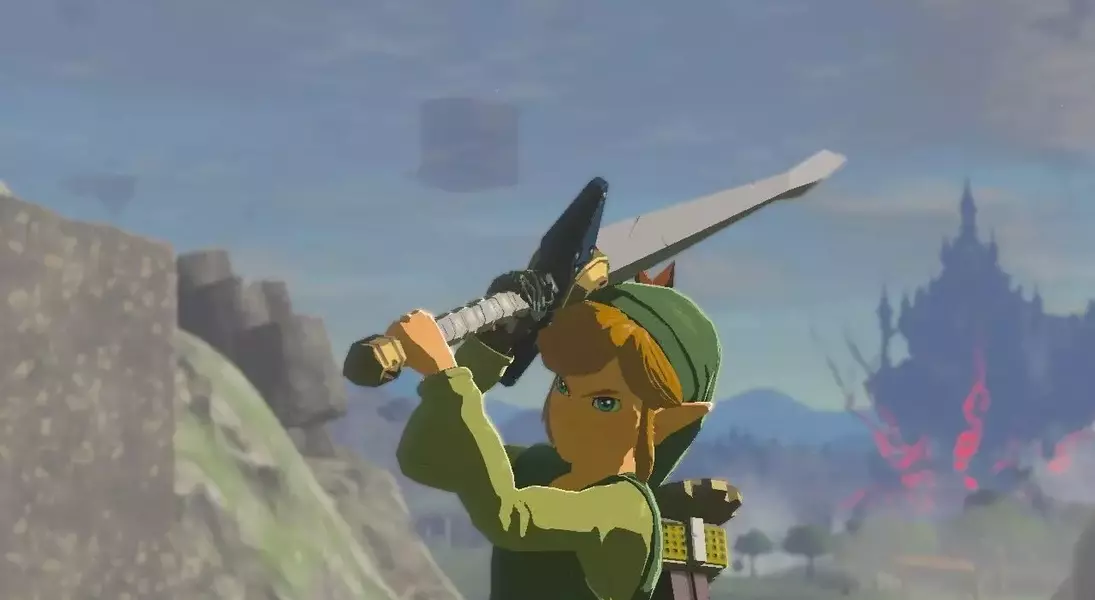
For those seeking a nostalgic yet demanding trial, the "Hero of Time" challenge restricts Link's arsenal to only what his predecessor from "Ocarina of Time" would possess: sword, shield, bow, bombs, and a trusty horse. This means foregoing modern tools like Fuse, Ultrahand, and Zonai devices, pushing players to adapt to a more rudimentary combat and exploration style. This rigorous limitation compels strategic thinking and tests the true capabilities of a classic Link in a contemporary Hyrule.
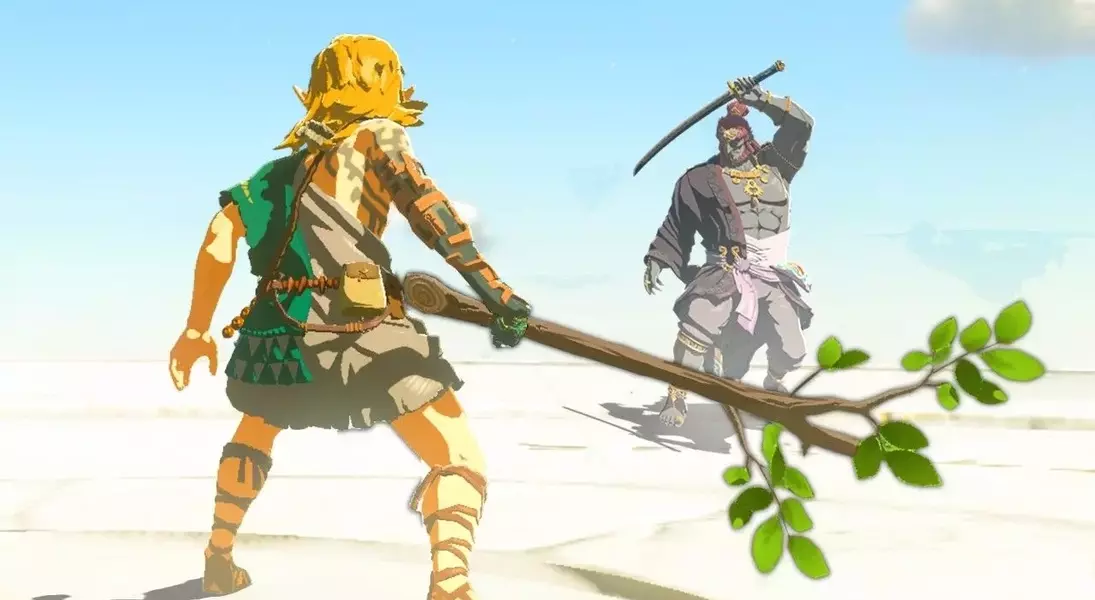
Similarly, a "base stats" run prevents any upgrades to Link's hearts or stamina. This transforms the game into a test of stealth and puzzle-solving, where direct confrontation is rarely an option. Players must meticulously analyze enemy weaknesses, leverage environmental hazards, and ingeniously utilize Zonai creations as combat proxies, moving beyond brute force tactics.
The "rationed healing" rule introduces a significant combat difficulty spike by limiting the number of healing items consumed during battle or outright prohibiting powerful restorative meals. This mandates a shift from absorbing damage to mastering evasive maneuvers and proactive strategic planning before engaging foes, making every encounter a high-stakes affair.
Perhaps the most extreme challenge is permadeath: a single defeat necessitates restarting the entire game (or from a designated later save point). This heightens the tension of every skirmish and decision, making even common enemies a potential run-ender. It fosters an unparalleled sense of caution and tactical precision.
Alternatively, players could opt to expedite the journey to Mineru. This involves prioritizing her awakening immediately after reaching the Hyrulean mainland, bypassing conventional main quests. While offering unique early-game advantages in mining and crowd control, this path presents an intriguing narrative dissonance, as dialogue often presumes a different progression, adding an unusual flavor to the experience.
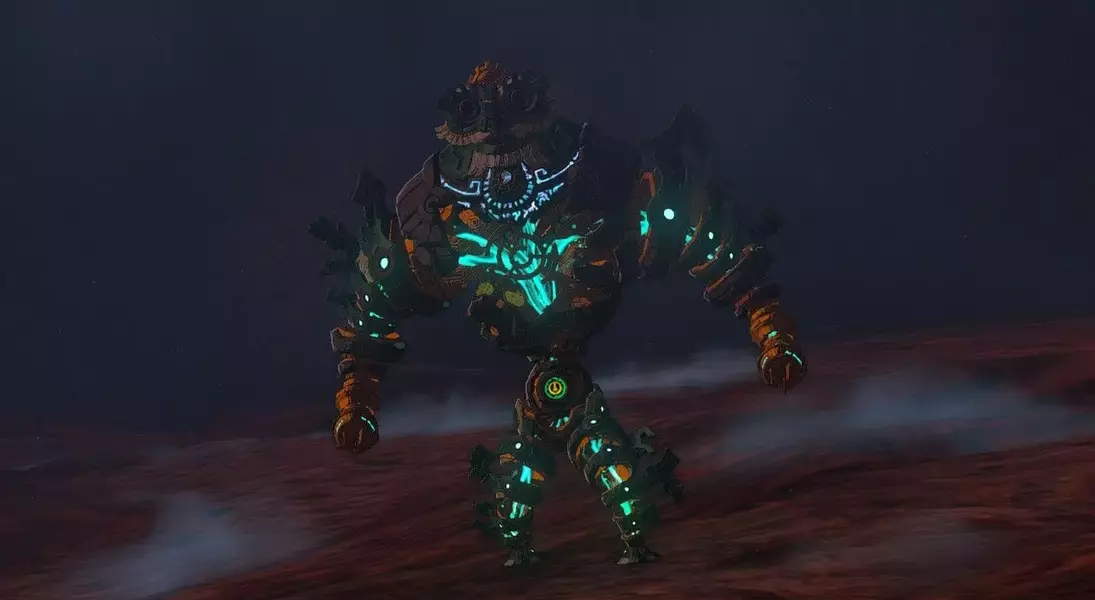
For the mechanically inclined, the "machines only" combat rule dictates that all battles must be fought using Zonai contraptions, completely sidelining traditional weapons. This turns every fight into an engineering puzzle, demanding creative vehicle construction and strategic deployment.
Drawing inspiration from "Breath of the Wild," the "Eventide challenge" requires players to completely divest themselves of all gear, weapons, and food every time a new region is entered or a new tower is activated. This forces a constant re-adaptation and resourcefulness, echoing the survivalist origins of the series.
Finally, for a deeply narrative-driven experience, one could prioritize Zelda's past. This entails tracking down and completing all Dragon's Tear memories in chronological order before advancing any of Link's current main objectives. This quest, particularly if undertaken in the sequence discovered within the Forgotten Temple, provides a poignant and lore-rich journey, imbuing Link's search for Zelda with a profound sense of historical urgency.
These diverse challenges provide more than just altered gameplay; they offer a chance to view "Tears of the Kingdom" through a fresh lens. By imposing these self-made rules, players are encouraged to break free from established habits, think critically, and appreciate the intricate design of Hyrule in novel ways. It's an invitation to make every subsequent playthrough as captivating and memorable as the very first. Whether you seek to deepen your connection to the lore, test your strategic prowess, or simply wander the kingdom with renewed wonder, these challenges offer a rich tapestry of experiences awaiting discovery.
