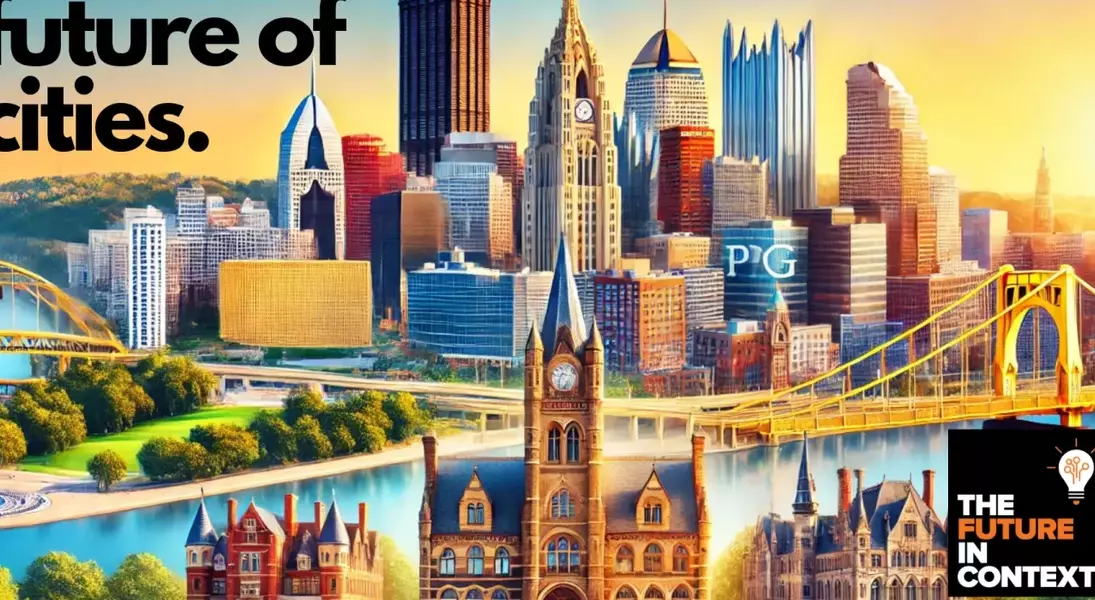
The post-pandemic era has brought unprecedented challenges to American cities, including increased crime rates, economic instability, and strained public services. In response, urban leaders are exploring new ways to govern, collaborate, and revitalize their communities. This exploration delves into how mayors, philanthropic organizations, and city planners are transforming urban environments through innovative redevelopment initiatives, strategic partnerships, and efforts to rejuvenate public spaces. Additionally, it addresses ongoing policy challenges such as regulating artificial intelligence and mitigating the societal effects of social media.
Pioneering Urban Revitalization Strategies
In the wake of the pandemic, city officials have embarked on a mission to reshape urban landscapes. Leaders are focusing on redevelopment projects that not only enhance physical infrastructure but also foster community engagement. By integrating green spaces, improving transportation systems, and promoting sustainable practices, these initiatives aim to create more livable and vibrant cities. Moreover, collaborations between government entities and private sector partners are proving essential in driving these transformative changes.
Mayors and city planners are spearheading ambitious projects aimed at revitalizing neglected areas within metropolitan regions. For instance, converting underutilized lots into parks or community centers can significantly boost local morale and economic activity. These endeavors often involve input from residents, ensuring that developments align with community needs and aspirations. Furthermore, innovative financing models, such as public-private partnerships, are facilitating the realization of large-scale urban renewal efforts. The involvement of philanthropies adds another layer of support, enabling projects that might otherwise face financial constraints.
Navigating Complex Policy Challenges
Beyond physical transformation, urban leaders must address pressing policy issues that impact daily life. Two key areas of concern are the regulation of emerging technologies like artificial intelligence and the influence of social media platforms on society. Policymakers are working diligently to establish guidelines that ensure ethical use of AI while fostering innovation. Meanwhile, addressing the negative consequences of social media, such as misinformation and mental health concerns, requires coordinated efforts across multiple sectors.
The integration of technology into urban governance presents both opportunities and challenges. On one hand, AI can streamline city operations and improve service delivery. However, it also raises questions about data privacy and algorithmic bias. To strike a balance, city administrators are collaborating with tech experts and advocacy groups to develop comprehensive policies. Similarly, tackling the adverse effects of social media involves engaging stakeholders from education, healthcare, and technology industries. Through cross-sector collaboration and thoughtful policymaking, urban leaders aim to build resilient communities equipped to thrive in an increasingly digital world.
