



This article explores the potential transformation of NCAA men's basketball by adopting principles from European association football. The study proposes a model that incorporates promotion and relegation systems, objective tournament selection, and regional realignment to enhance fairness, reduce costs, and boost excitement. By analyzing data from 2010 through 2019, researchers identified teams affected by these changes and compared the proposed system's selections with actual tournament brackets, achieving an 85% similarity rate.
The concept of applying a European association football model to American sports is not new. While American leagues operate on a closed system, European football associations follow an open model where teams can move between tiers based on performance. This disparity in consequences for losing has sparked discussions about integrating elements like promotion and relegation into American sports. The proposed Association Football (AF) model for NCAA men's basketball aims to address current flaws such as subjective tournament selection processes, higher travel costs due to non-regional alignments, and instability caused by frequent conference realignments.
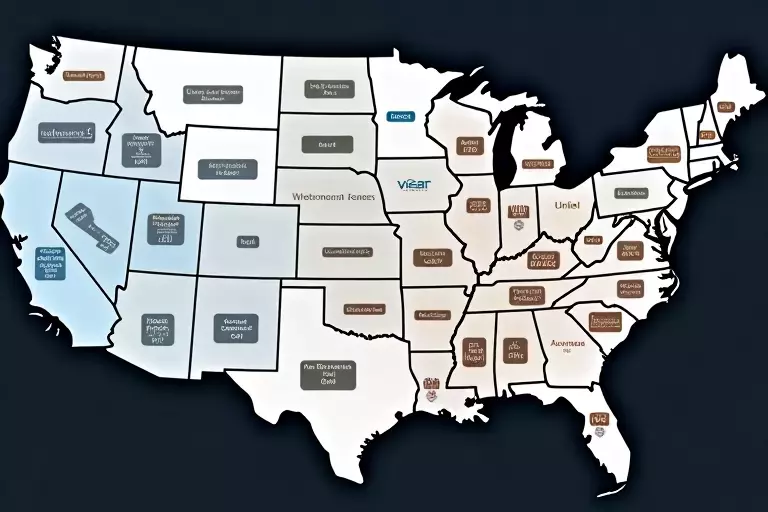
In the AF model, seven top-tier conferences are reclassified into five geographic Premier-5 (P5) conferences, each subdivided into two divisions. Remaining Division I teams form Mid-major (MM) conferences similarly organized regionally. Promotion and relegation occur annually based on team coefficients calculated using wins against P5 and MM opponents. Teams earn points differently depending on their opponent's tier, ensuring a transparent and objective ranking system.
To further illustrate, at the end of each season within each conference, teams are ranked by their team coefficients. The lowest-ranking team in each P5 division is identified for relegation while the highest-ranking team from selected MM divisions is promoted. This process involves four teams per conference, maintaining balance and stability across tiers. For instance, during the analyzed period from 2010 to 2019, 42 different teams experienced relegation, and 56 were promoted, showcasing the dynamic nature of this system.
The AF model also introduces a two-tiered NCAA tournament structure. Top teams receive automatic bids, while others compete in play-in games. Seeding follows an S-curve method, minimizing bias and enhancing transparency. Comparing the AF model's selections with past tournaments revealed high agreement rates, particularly regarding top-seeded teams. However, discrepancies arose concerning at-large bids, often influenced by factors like star players or late-season performances in conference tournaments.
Implementing this model could significantly impact college athletics. Benefits include reduced travel expenses, increased regional rivalries, and heightened incentives to perform well throughout the season. Nevertheless, uncertainties remain regarding recruitment effects and competitive balance. Historical data supports the feasibility of frequent promotions and relegations, similar to professional leagues, without destabilizing conferences.
In conclusion, adopting elements of European football's organizational practices could revolutionize NCAA men's basketball. By emphasizing objective criteria, promoting regional structures, and introducing meaningful consequences for both winning and losing, this model promises greater fairness, cost efficiency, and spectator engagement. Despite challenges, its alignment with recent trends suggests potential success if implemented thoughtfully.
