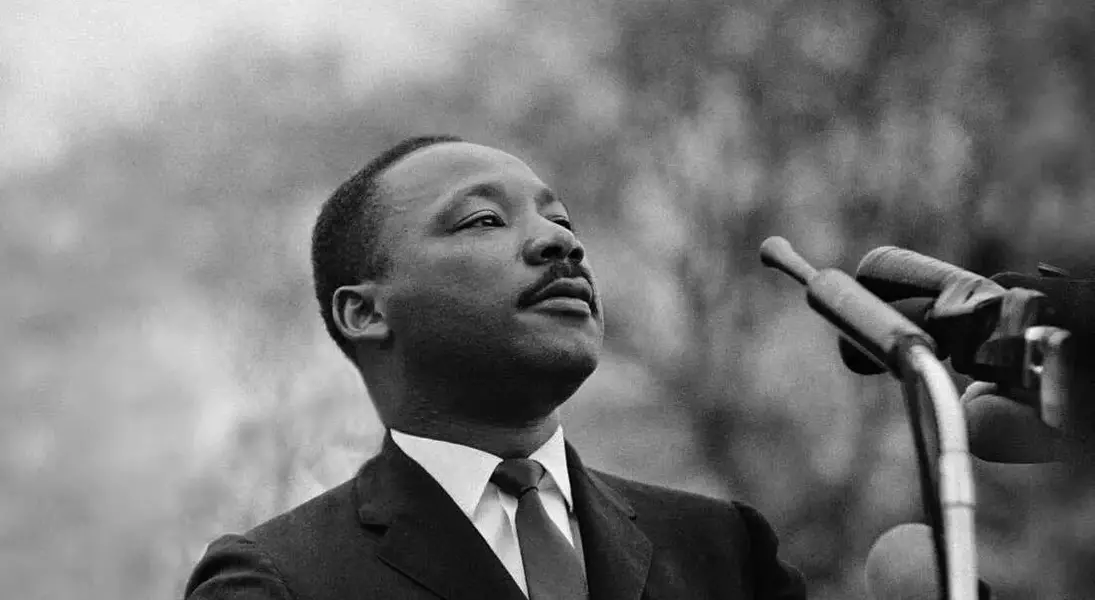
Growing up in 1980s Nigeria, the author found inspiration in American figures like Martin Luther King Jr. and Thurgood Marshall through 'Ebony' magazine. While King's civil rights leadership is widely recognized, his profound perspective on healthcare justice often receives less attention. He famously declared, "Of all the forms of inequality, injustice in health is the most shocking and inhuman," a sentiment that profoundly influenced the author's career path. This powerful statement later resonated deeply with the author during medical school and national service in Nigeria, where firsthand encounters with a failing healthcare system, marked by a lack of preventative care and tragic outcomes for children, brought King's words to life. These experiences shifted the author's ambition from plastic surgery to advocating for universal health coverage, reinforcing the critical need for comprehensive and equitable healthcare access.
The pursuit of health equity, particularly in developing nations, hinges on bolstering primary healthcare, mobilizing domestic resources, and leveraging insights from human behavior. The Alma-Ata Declaration of 1978 underscored these principles, yet many governments have since deviated. Rwanda stands as a compelling example of successful implementation, with its extensive network of community health workers significantly enhancing basic service access and improving health outcomes. These dedicated workers, often women with foundational training, address common illnesses like pneumonia early within communities, demonstrating the effectiveness of accessible, community-led care. This approach offers a vital blueprint for other low- and middle-income countries, especially as global aid strategies evolve, emphasizing national government responsibility and innovative local funding mechanisms, such as channeling diaspora remittances and reallocating household health expenditures.
Achieving health equality also requires a deeper understanding of human behavior, moving beyond mere knowledge dissemination to actively motivate positive health practices. Initiatives, like the author's project in Nigeria promoting HPV vaccination through social media and community pharmacists, illustrate how supportive environments, clear information, and easy access can drive significant behavioral change. Reflecting on his personal experience with his daughter's critical healthcare journey, the author underscores the urgent need for leaders to dismantle health injustices. Dr. King's enduring challenge, "What are you doing for others?" serves as a timeless call to action, reminding us that ensuring a dignified and humane life for all necessitates unwavering commitment to health equity.
Ultimately, the quest for global health equity transcends mere medical interventions; it is a moral imperative rooted in justice and human dignity. By embracing comprehensive primary healthcare, fostering community empowerment, and diligently addressing systemic inequalities, we can construct a healthier, more equitable future for everyone.
