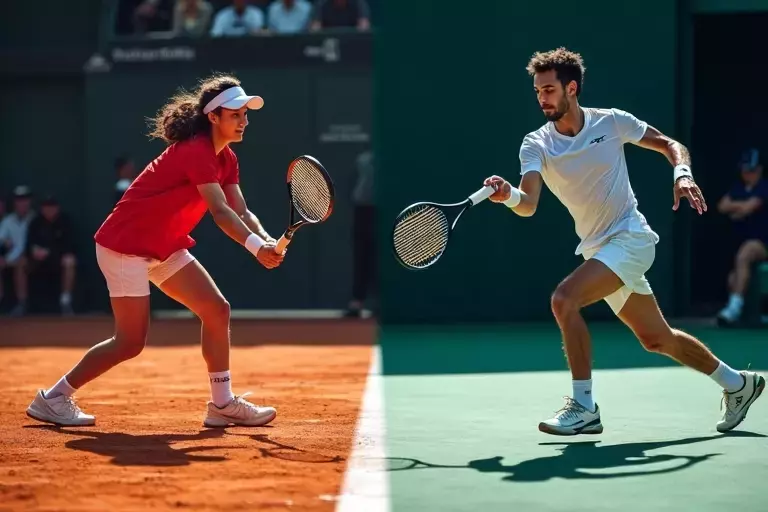
As the tennis world turns its attention to Rome, all eyes are on Jannik Sinner as he makes his much-anticipated return to the ATP Tour. The Italian star, who faced a three-month suspension due to a doping violation, steps back onto the court at the Foro Italico. His journey back into professional play is met with mixed reactions but receives an unexpected endorsement from rival Carlos Alcaraz, highlighting a renewed chapter in their competitive relationship.
H2 Rediscover the Passion of Tennis Through Sinner's Resurgence
The Comeback Chronicles
The atmosphere at the Foro Italico buzzes with anticipation as Jannik Sinner reenters the professional tennis circuit after months away. This return follows a challenging period marked by two positive tests for clostebol earlier this year. Despite the controversy, Sinner approaches his comeback with determination, eager to reclaim his position among the sport’s elite. Playing on home soil adds a personal dimension to his efforts, fueling his motivation as he steps onto familiar courts. Fans and critics alike watch closely to see how the young prodigy will perform under such scrutiny, setting the stage for what could be a pivotal moment in his career.Sinner’s absence left a noticeable void in the tennis landscape, particularly in matches against rivals like Carlos Alcaraz. As he resumes competition, expectations mount not only for his individual success but also for the dynamics his presence brings to tournaments. With every serve and rally, Sinner aims to prove that his talent extends beyond recent setbacks, marking a fresh start filled with promise and potential.Alcaraz's Perspective on Sinner's Return
Carlos Alcaraz offers a candid and supportive response to Jannik Sinner’s reintroduction to the tour, showcasing the mutual respect between these two rising stars. In an interview with Tennis Channel, Alcaraz expresses genuine enthusiasm about Sinner’s return, emphasizing its positive impact on both himself and the broader tennis community. “Honestly, I am going to say I need him on the tour,” Alcaraz declares, highlighting the motivational boost Sinner provides in pushing him to elevate his game daily.This sentiment reflects a deeper understanding of rivalry in sports—not merely as competition but as a driving force for improvement. Alcaraz acknowledges Sinner’s influence in shaping his own performance, describing it as essential for reaching peak potential. Moreover, he recognizes the value Sinner brings to the sport through his unique style and charisma, which attract new audiences to tennis. Such perspectives underscore the importance of healthy competition in advancing the sport and fostering growth among athletes.Potential Showdowns in Rome
The Italian Open presents intriguing possibilities for encounters between Carlos Alcaraz and Jannik Sinner, reigniting one of tennis’ most captivating rivalries. Positioned on opposite ends of the tournament draw, these players can only meet in the final, adding layers of excitement and anticipation to each match leading up to that point. Alcaraz begins his campaign strongly with a victory over Dušan Lajović, marking his 25th win of the season—a testament to his consistent excellence despite recent injuries.Meanwhile, Sinner embarks on his first post-ban match against Mariano Navone, expected to draw enthusiastic support from local fans. This matchup serves as more than just a test of skill; it represents a critical step in rebuilding confidence and regaining form after a prolonged hiatus. Every point contested carries significance, contributing to narratives surrounding redemption and resilience. As they navigate separate paths toward a possible climactic showdown, spectators eagerly await witnessing history unfold through their performances.Tennis Dynamics Post-Suspension Era
Jannik Sinner’s return to the ATP Tour signifies more than just another player rejoining the ranks; it heralds a shift in how the sport navigates challenges related to integrity and fair play. Following his three-month ban, discussions around doping violations have intensified within the tennis community, prompting reflections on accountability measures and athlete support systems. Sinner’s case exemplifies complexities inherent in balancing punitive actions with opportunities for rehabilitation.For Carlos Alcaraz, embracing Sinner’s comeback demonstrates maturity and foresight regarding the future of tennis. By advocating for his rival’s inclusion, Alcaraz reinforces ideals of sportsmanship while acknowledging shared goals of promoting the sport globally. Their interactions moving forward promise to shape narratives around forgiveness, perseverance, and collaboration in overcoming adversity. As they continue competing alongside one another, their evolving relationship sets precedents for aspiring athletes navigating similar dilemmas, enriching the tapestry of modern tennis.