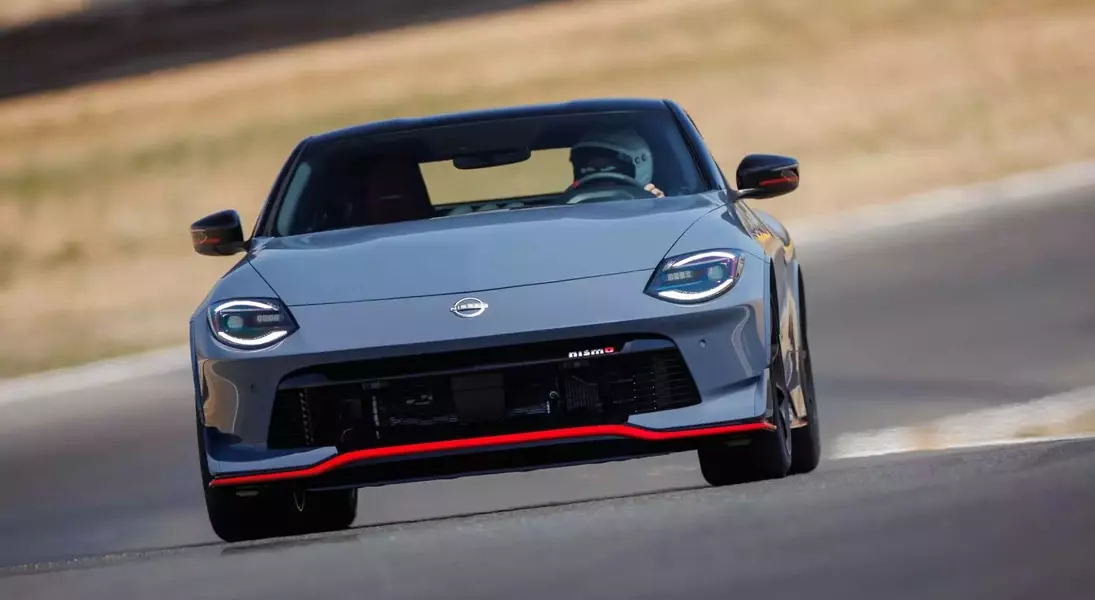
In a remarkable turn of events, Nissan's latest sports car, the Z, has achieved unprecedented success. After a slow start, it has now surpassed its arch-rival, the Toyota Supra, in U.S. sales figures for 2024. This milestone marks a significant achievement for Nissan, reflecting strategic improvements and market adaptability.
Unstoppable Momentum: How Nissan Z Is Redefining Sports Car Dominance
The Turnaround Journey
For years, the Toyota Supra reigned supreme in the sports car segment. However, 2024 witnessed a seismic shift as Nissan's Z emerged victorious. With 3,164 units sold, the Z outperformed the Supra, which managed only 2,615 sales. This achievement is particularly noteworthy given that just a year earlier, the Supra outsold the Z by nearly 1,000 cars. The turnaround is even more impressive considering the Z’s initial struggles; in its first two years on the market, Nissan barely registered 300 sales in the U.S.The Z's resurgence can be attributed to several factors. First, Nissan significantly ramped up production, ensuring greater availability. Second, the company introduced compelling enhancements, such as the powerful Nismo model, which boasts 420 horsepower. In contrast, Toyota’s offerings have remained relatively unchanged since the introduction of the manual transmission and a limited-edition anniversary model.Pricing Strategy and Market Appeal
One of the key drivers behind the Z’s success is its competitive pricing. Starting at $44,110, the Z offers exceptional value compared to the Supra, priced at $57,385. Toyota’s decision to discontinue the four-cylinder base Supra for 2025 further widens this gap. Even when the Supra was available with a four-cylinder engine, it still commanded a higher price point of $47,545. This pricing strategy positions the Z as an attractive option for budget-conscious buyers seeking performance and style.Moreover, the Z’s affordability makes it more accessible to a broader audience. For instance, while the Ford Mustang dominates the segment with 44,003 sales last year, its lower base price of $34,210 caters to a different demographic. Similarly, the Toyota GR86 and Subaru BRZ offer affordable rear-drive options, but their combined sales (14,771) pale in comparison to the Mustang’s dominance. The absence of Mazda Miata sales data for 2024 leaves room for speculation about its market share.Market Perception and Future Prospects
Despite its growing popularity, the Z remains somewhat elusive on American roads. Motor1 staff members have noted a scarcity of sightings, suggesting that the car’s presence may not yet reflect its sales numbers. However, as production continues to increase and awareness grows, this could change rapidly.Looking ahead, Nissan’s focus on innovation and affordability positions the Z for sustained success. The company’s commitment to enhancing the lineup with powerful variants like the Nismo ensures that the Z will remain competitive in the dynamic sports car market. Meanwhile, Toyota must consider how to revitalize the Supra to maintain relevance in a segment where consumer preferences are constantly evolving.Broadening Horizons: The Impact on the Sports Car Segment
The rise of the Nissan Z has broader implications for the sports car market. It challenges established players like Toyota and Ford to innovate and adapt. The Z’s competitive pricing and enhanced features set a new standard, encouraging manufacturers to rethink their strategies.Furthermore, the Z’s success underscores the importance of meeting consumer demand with timely updates and appealing models. As the market becomes increasingly competitive, brands must continuously evaluate their offerings to stay ahead. The Z’s triumph serves as a testament to Nissan’s ability to respond effectively to market dynamics, positioning the brand as a formidable player in the sports car arena.