

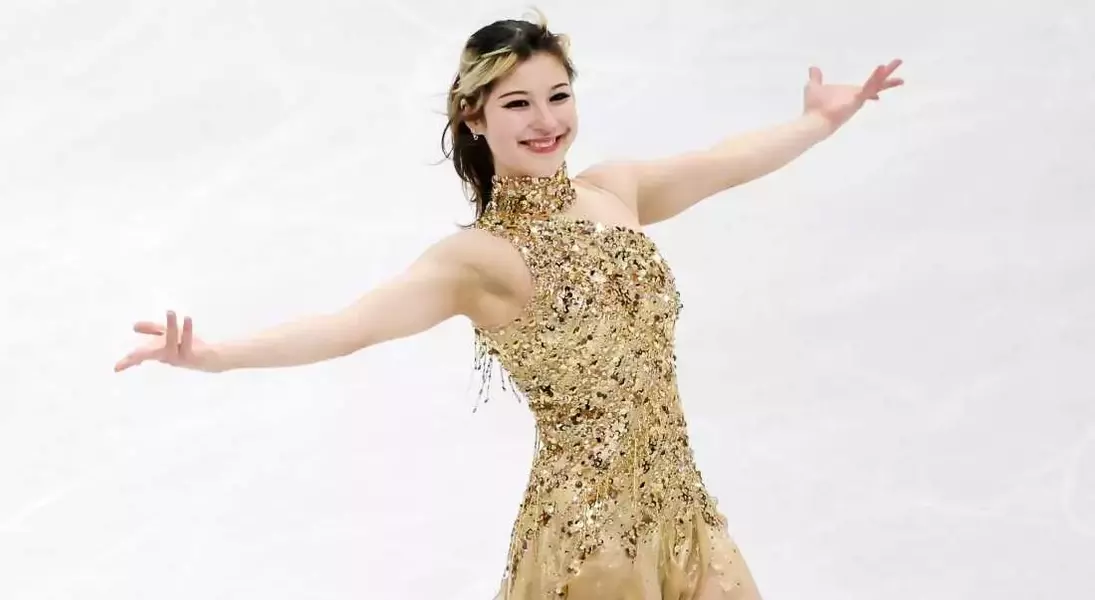

Reporting from the Winter Games presented a unique duality, where a globally significant event often transformed into a series of intimate, localized encounters for journalists.
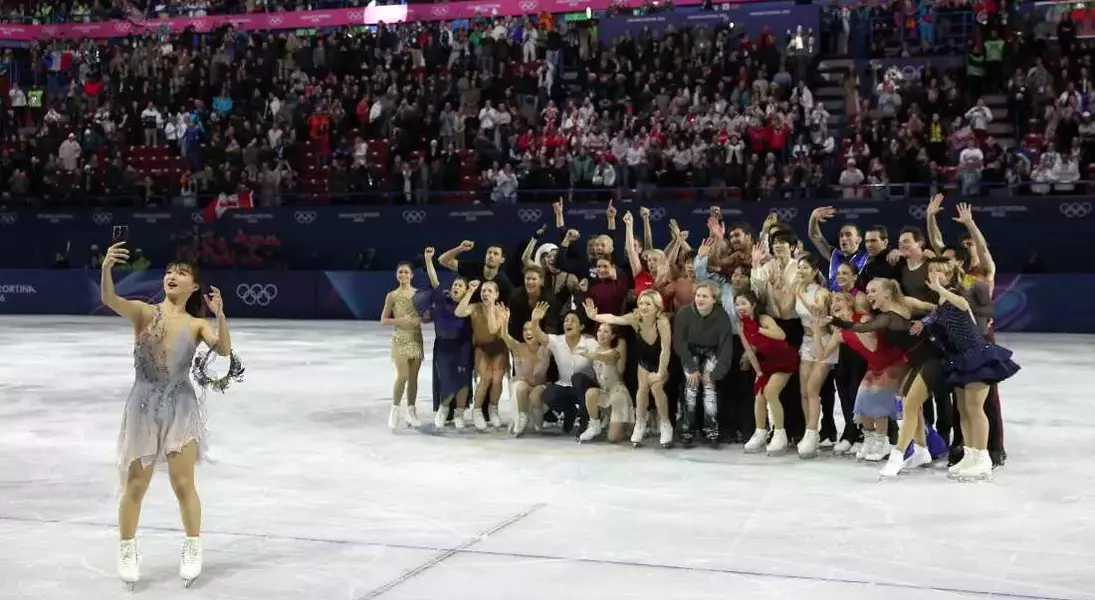
For one reporter, the vastness of the widely distributed Olympic venues quickly condensed into a familiar routine within one city, centered on a single sport. The days were filled with navigating local transit, discovering favored eateries, and establishing friendly interactions with event staff. A particularly memorable aspect was the fellowship forged with fellow journalists covering figure skating, enduring long hours of competition, exchanging insights, offering mutual support, and sharing both the triumphs and tribulations of their demanding work. This tight-knit community provided not only professional collaboration but also valuable personal connections, highlighting how even in a massive international spectacle, personal relationships and shared experiences can create a sense of belonging and mutual aid.
The on-site reporting experience also revealed a significant disconnect from the online meme culture and viral trends that often define public perception of such events from afar. Due to the demands of live coverage, the lack of TV commentary, and rights restrictions, reporters were largely shielded from the internet's immediate reactions. This provided a refreshingly direct engagement with the events, allowing them to witness and interpret moments firsthand, rather than through the filter of social media. This direct engagement offered a deeper appreciation for the authentic experiences unfolding, turning online buzz into a secondary consideration rather than the primary lens through which the Games were viewed.
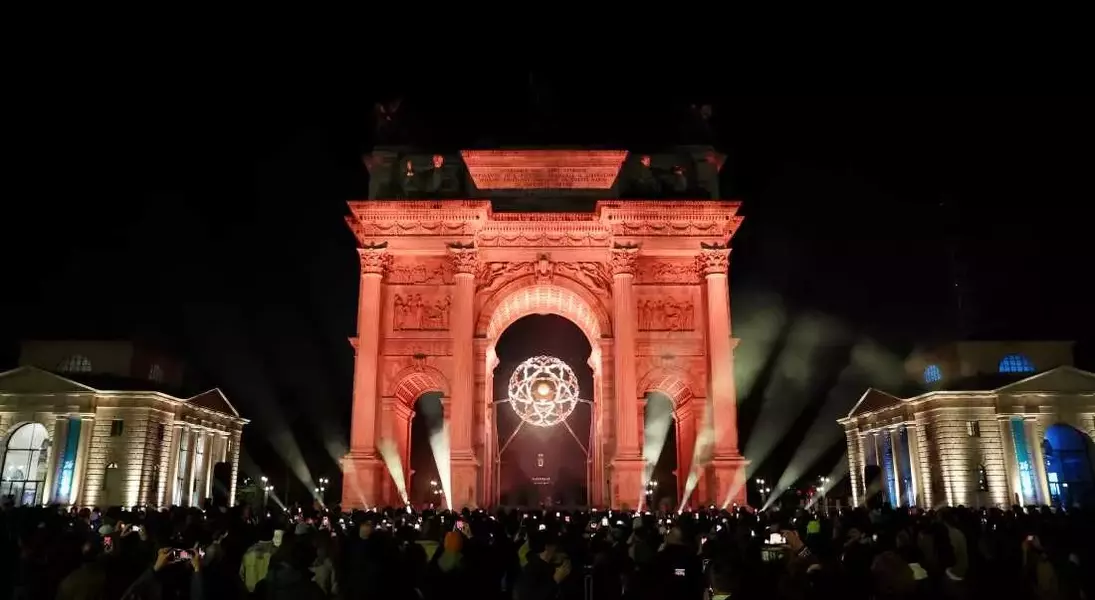
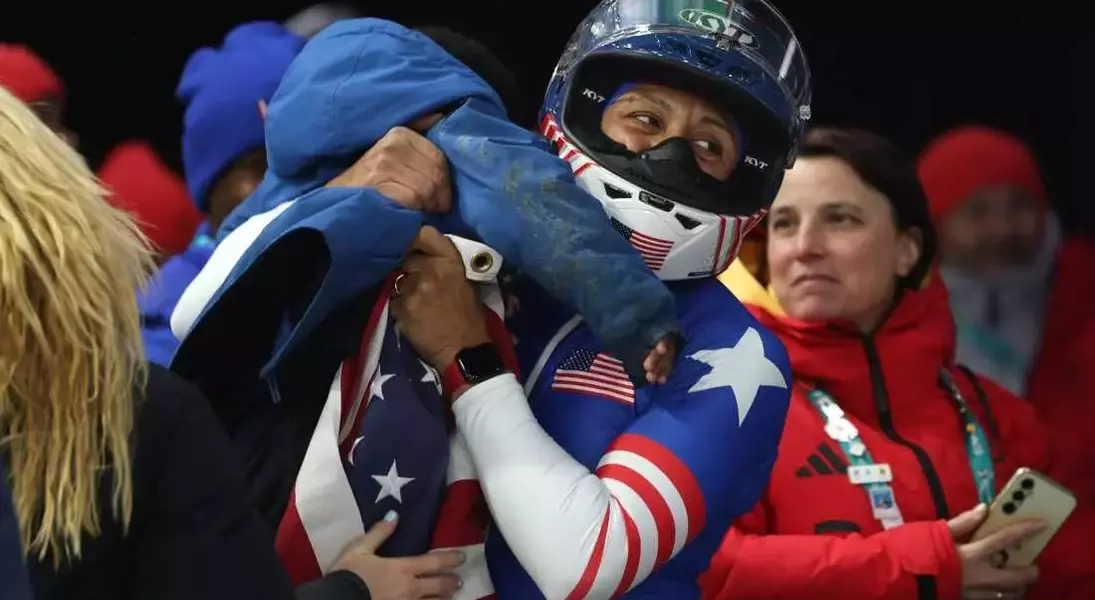
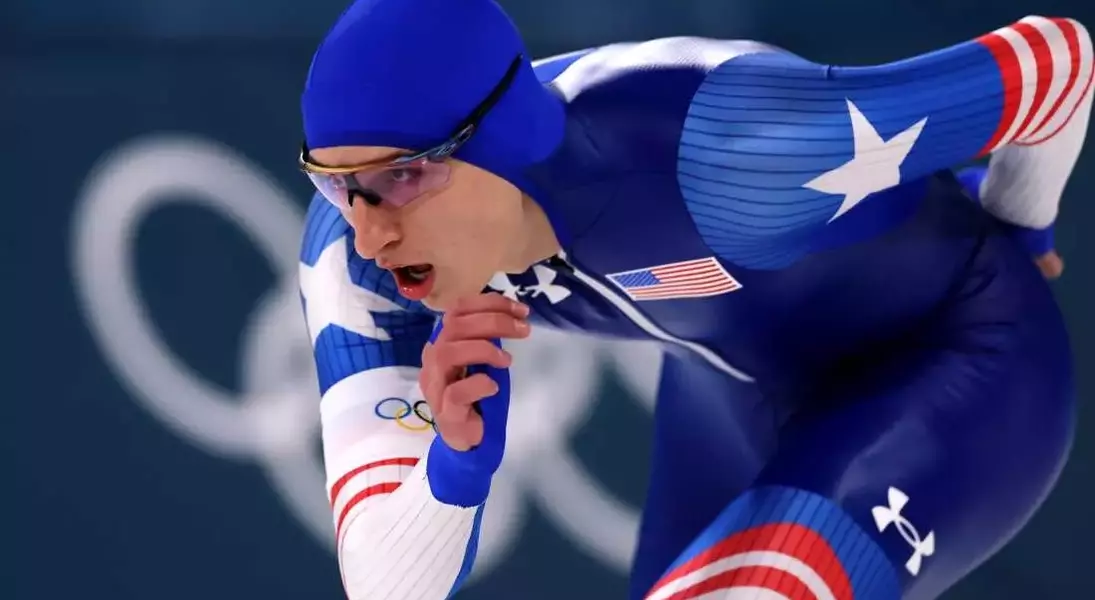
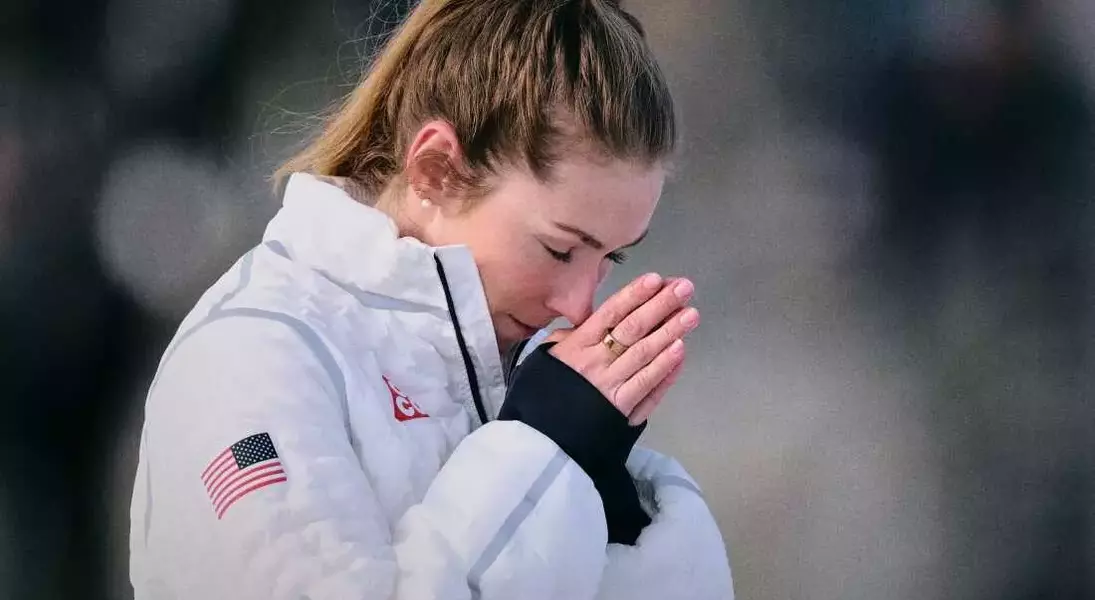
Beyond the technical and logistical challenges, the human element of the Olympics deeply resonated with reporters, especially the poignant family narratives and the inspiring displays of athletic resilience. Numerous instances, such as athletes celebrating with their children or siblings, and Mikaela Shiffrin's candid reflections on personal loss, underscored the profound emotional dimensions of the Games. This year's event also showcased a noticeable shift towards prioritizing athletes' mental and physical well-being, fostering a healthier competitive environment. The outstanding performances in speed skating, where records were consistently shattered, and the remarkable double gold medal victories for American men's and women's hockey, demonstrated not only elite skill but also the success of long-term investment in athlete development and diversity. The perseverance of athletes, particularly women returning from significant injuries or personal setbacks to achieve greatness, served as a powerful testament to the indomitable human spirit, transforming challenges into opportunities for growth and triumph. The dispersed nature of the Games, while logistically complex, also offered the unexpected benefit of preserving the charm of smaller towns by preventing overcrowding, allowing reporters to appreciate the cinematic beauty of the Alpine landscapes.
The Olympic Games, at their core, are a celebration of human endeavor, a platform where the pursuit of excellence intertwines with profound personal journeys and collective experiences. It is a powerful reminder that victory is not solely defined by medals, but by the courage to compete, the grace in both winning and losing, and the unwavering spirit that drives individuals to overcome adversity and inspire others. The commitment to personal growth, mental fortitude, and strong community bonds among athletes exemplifies a positive evolution in sports culture, reflecting values that extend far beyond the athletic arena.
