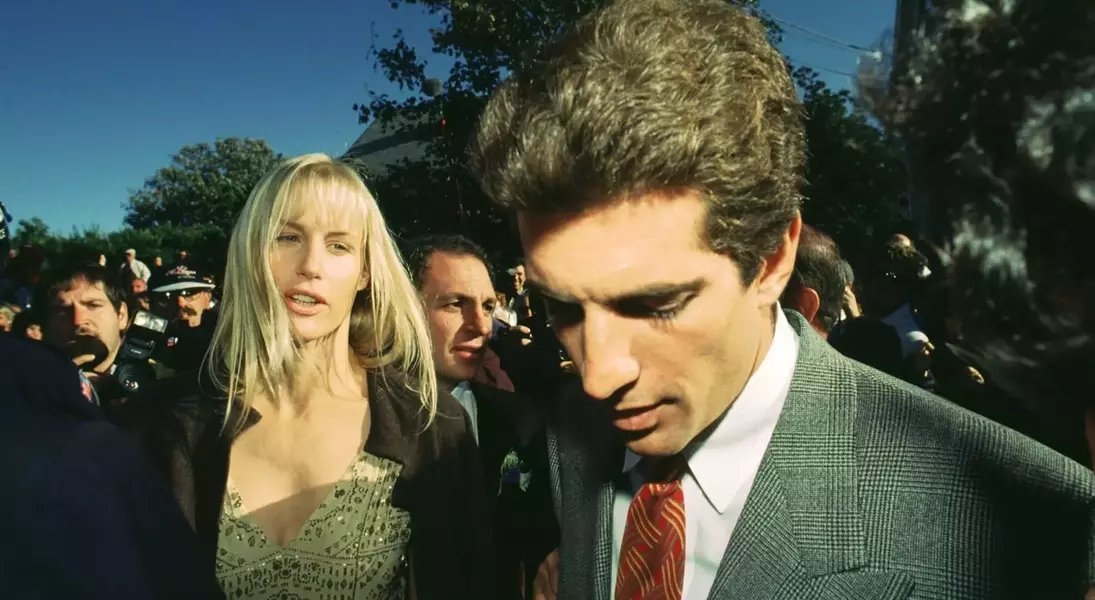
This article explores the controversial depiction of Daryl Hannah in the television series 'Love Story,' which dramatizes the romance between JFK Jr. and Carolyn Bessette. The author raises concerns about Hannah's characterization within the show, highlighting perceived inaccuracies and an overly negative portrayal that deviates significantly from public perception and biographical accounts. The piece delves into the challenges and ethical considerations of adapting real-life figures for dramatic television, questioning whether narrative conflict should come at the expense of character integrity.
Challenging the Narrative: Is 'Love Story' Unfair to Daryl Hannah?
The Onscreen Transformation: From Reality to Dramatic Caricature
Like many who follow celebrity romances, I've been closely observing the initial episodes of 'Love Story,' a new drama helmed by Connor Hines and produced by Ryan Murphy, chronicling the lives of JFK Jr. and Carolyn Bessette. While the lead actors, Sarah Pidgeon and Paul Anthony Kelly, deliver captivating performances that remarkably capture the essence of their historical counterparts, one particular aspect of the series has consistently troubled me: the seemingly unflattering depiction of Daryl Hannah. It prompts the question: why is the show presenting Hannah in such a negative light?
The Necessity of Conflict: A Deep Dive into Hannah's Character
Having observed numerous television productions and even dabbled in scriptwriting myself, I understand that dramatic narratives require conflict to sustain viewer interest. I don't fault the creators of 'Love Story' for incorporating the real-life complexities of Kennedy's on-again, off-again relationship with Hannah into the storyline; actress Dree Hemingway adeptly portrays Hannah, creating a visual likeness that is quite commendable. The dynamic of Kelly's character being torn between two prominent blonde figures certainly adds a poetic layer to the plot. However, I question whether it was necessary for Hannah to be portrayed as so erratic, irritating, and overly theatrical. Was there no other way to build tension?
Behind the Scenes: The Turbulent Relationship of Hannah and Kennedy
To be fair, the real-life relationship between Hannah and Kennedy, which spanned approximately five years, was widely reported as tumultuous. Their romance was a constant fixture in tabloids, and it's a known fact that Kennedy initially encountered Bessette at a social gathering while still involved with Hannah. Nevertheless, 'Love Story' presents Hannah as a perpetually complaining, substance-abusing diva, who, quite inexplicably, appears to equate the loss of her pet dog with Kennedy's grieving his mother at Jackie Kennedy's memorial service. This particular scene strains credulity. Frankly, if I were Hannah, I would be seriously considering legal action over such a portrayal.
The Art of Adaptation: Fictional Villains Versus Real-Life Legacies
Apparently, Dree Hemingway reportedly penned a thoughtful letter to Hannah prior to taking on the role in 'Love Story.' It remains unknown whether Hannah ever responded or if she has watched the fictionalized version of herself desperately pleading with her former lover. Yet, I believe the nascent romance between Bessette and Kennedy could have been equally compelling without the need for an overtly villainous antagonist in Hannah. Ryan Murphy and his team, take note: let's honor the true essence of these individuals and their historical significance. A more balanced portrayal would undoubtedly enrich the narrative and respect the real people involved.
