A Swiss jewelry brand renowned for its intricate designs and innovative craftsmanship is revisiting pivotal moments in its storied past. By exploring the creative breakthroughs of the late 1960s and early 1970s, Piaget highlights how cultural shifts inspired iconic timepiece collections that remain relevant today. This era saw the birth of avant-garde designs like Sixtie, Andy Warhol, and Gala, each embodying the spirit of experimentation and artistic exploration.
Through its "Piaget Saga" series, the brand dives deep into its history, showcasing milestones such as ultra-thin movements, gold innovations, and high jewelry collections. Episode five, titled "Play of Shapes," focuses on a transformative period marked by bold forms and daring aesthetics. As part of its 150th-anniversary celebrations, Piaget continues to chronicle its journey with upcoming installments narrated by industry experts.
The Birth of Avant-Garde Designs
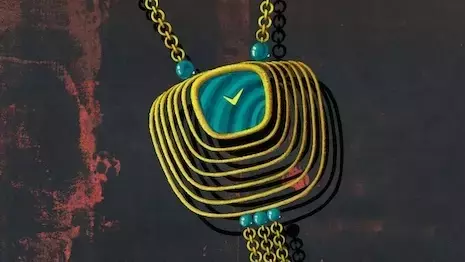
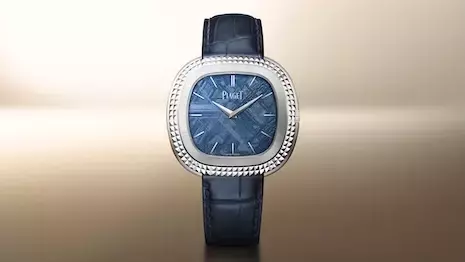
Inspired by the Apollo 11 mission, Valentin Piaget challenged his team to push boundaries, resulting in the groundbreaking 21st Century collection. This initiative sparked an era of experimentation in watchmaking, particularly in dial shapes. From ovals and triangles to hearts and polygons, these unconventional forms redefined luxury timepieces, culminating in the creation of the Sixtie design—a rounded trapezoidal masterpiece.
This period of innovation marked a turning point for Piaget. In 1969, the grandson of the founder encouraged designers to think outside traditional constraints. Their response was nothing short of revolutionary: watches featuring diverse geometries became symbols of modernity. The 21st Century collection paved the way for further explorations, leading to the development of the Sixtie. Its distinctive silhouette not only captured the essence of its time but also set new standards for elegance and creativity. This design philosophy resonated deeply within the fashion-conscious community, establishing Piaget as a leader in avant-garde horology.
Iconic Collections Shaping Modern Horology
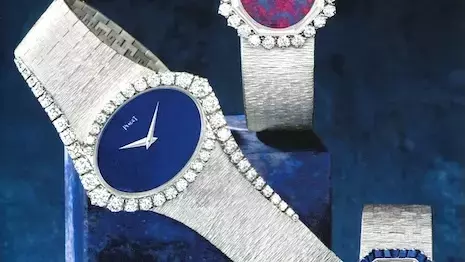
Beyond the Sixtie, two other collections emerged during this golden age: the oversized Andy Warhol and the feminine Gala lines. The former, originally known as model 15102, drew inspiration from tube televisions before being immortalized by the legendary pop artist himself. Meanwhile, the Gala collection introduced reversible designs adorned with sparkling gemstones, appealing to sophisticated tastes at glamorous events.
Each collection tells a unique story about Piaget's adaptability and vision. The Andy Warhol watch, initially inspired by television aesthetics, gained fame through its association with the iconic artist. After its initial run ended in 1977, it was revived under Warhol's name posthumously in honor of his admiration for the piece. On the other hand, the Gala line embraced femininity with its dazzling stones and ingenious reversible mechanism. First appearing at exclusive gatherings in Switzerland and Monaco, this collection quickly became synonymous with elegance and sophistication. Together, these creations showcase Piaget's ability to blend artistry with functionality, ensuring their lasting legacy in the world of fine jewelry and watchmaking.
