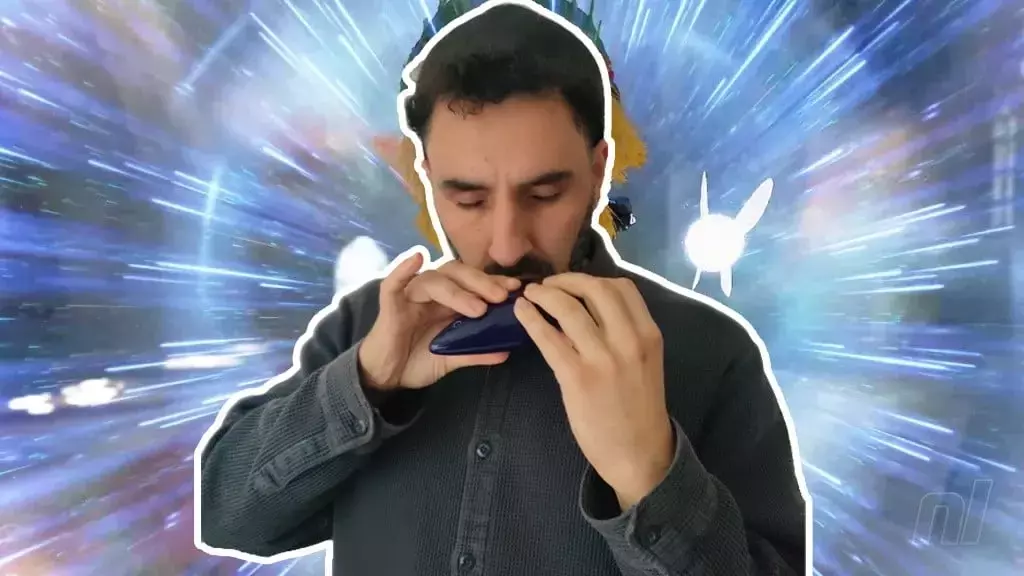
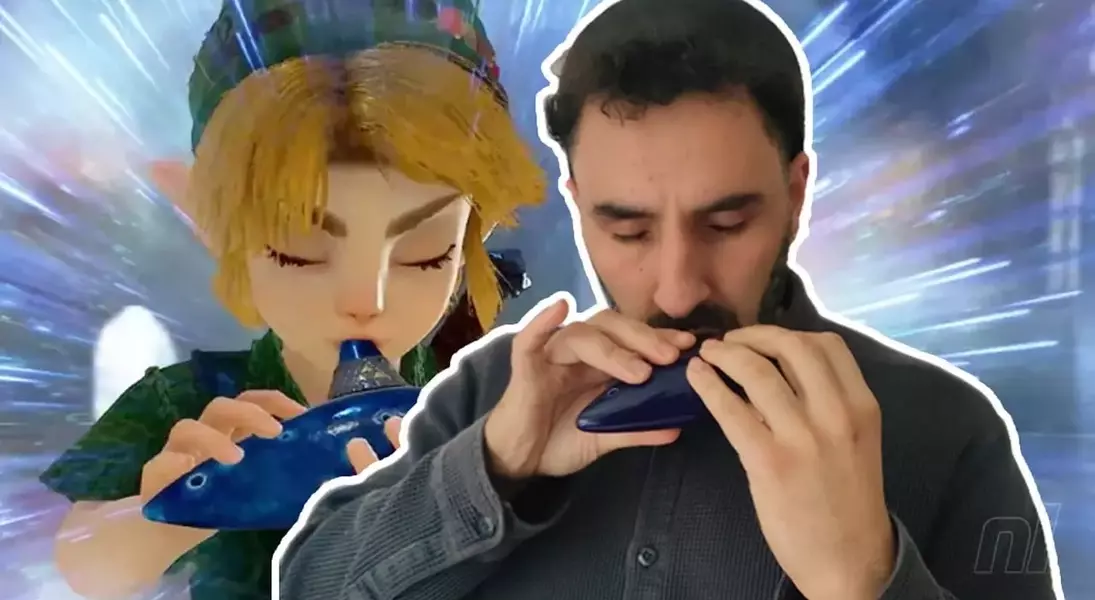



After three decades, a long-held ambition to master the ocarina is finally being realized. This personal quest, ignited by the anticipation of a beloved game's remake, delves into the world of this unique instrument, from collecting various models to the intricacies of playing iconic melodies. The journey highlights the instrument's unexpected ease of learning, its tactile nature, and the rich history connecting it to popular culture. It's a testament to how gaming can inspire real-world passions and cultivate a deeper appreciation for music.
The Ocarina Odyssey: From Childhood Curiosity to Musical Mastery
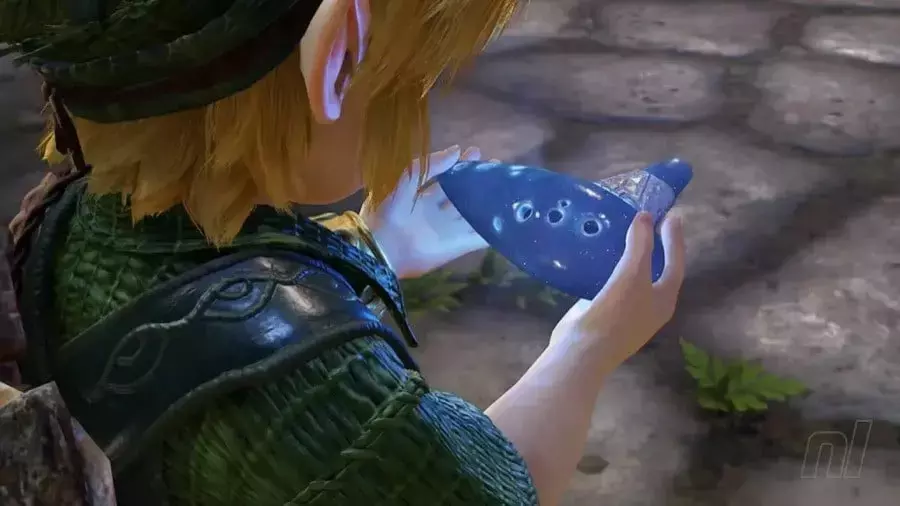
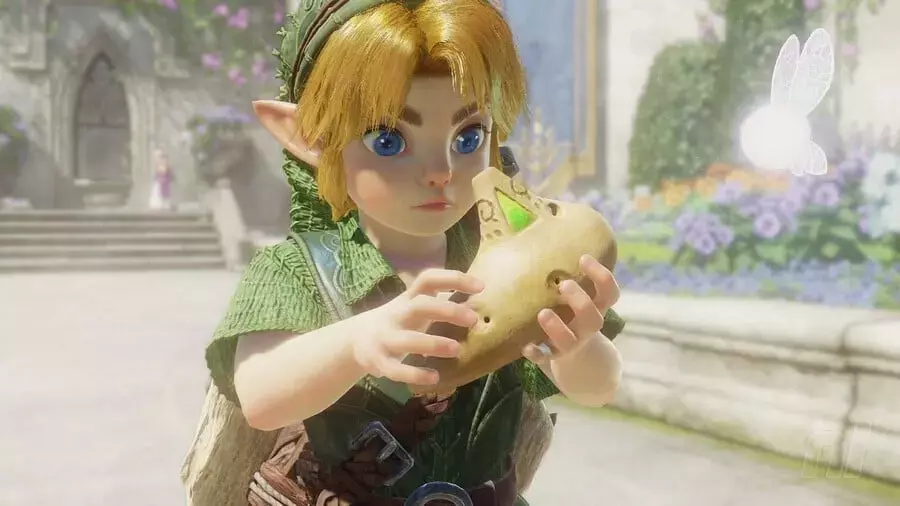
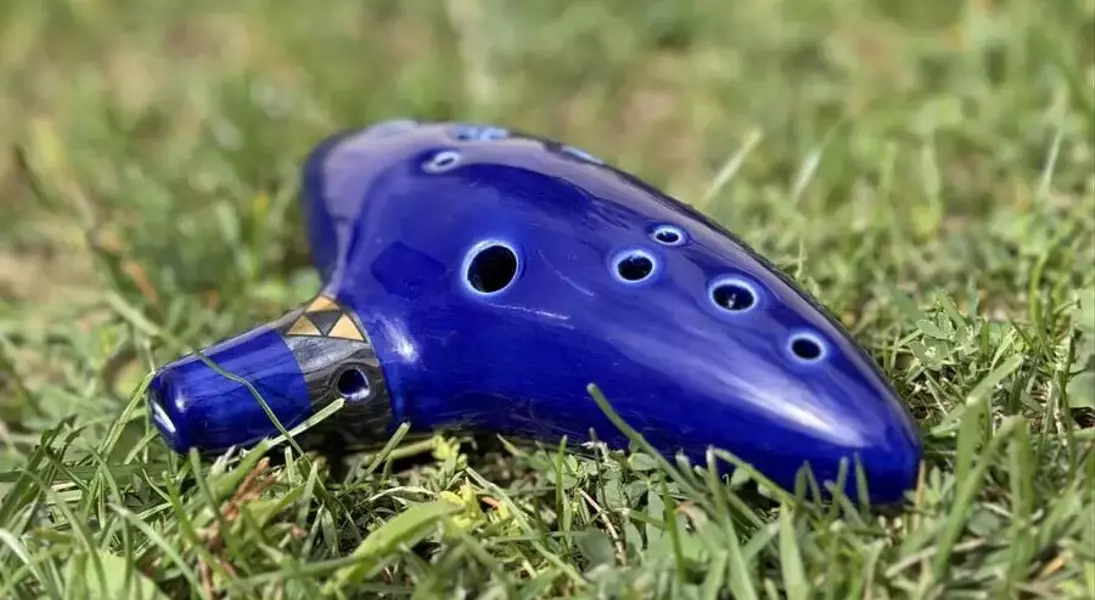
For one enthusiast, the allure of the ocarina began years ago with a humble, zig-zag patterned instrument from a Birmingham shop. Subsequent travels to China yielded smooth, dark pendant ocarinas, further fueling a quiet fascination. However, it was a recent acquisition—a ceramic ocarina styled after the legendary instrument from the Zelda universe—that truly sparked a dedicated learning endeavor. This pivotal moment arrived with the impending remake of a classic game, providing the perfect impetus to finally transform collecting into playing.
The initial challenge, as with any new instrument, was overcoming the unplayed status of earlier purchases. The author emphasizes that the best ocarina is often the one already at hand. Starting with the ceramic 12-hole 'sweet potato' style, they quickly discovered the joy of producing recognizable tunes, notably the iconic 'Song of Time.' This immediate gratification served as a powerful motivator.
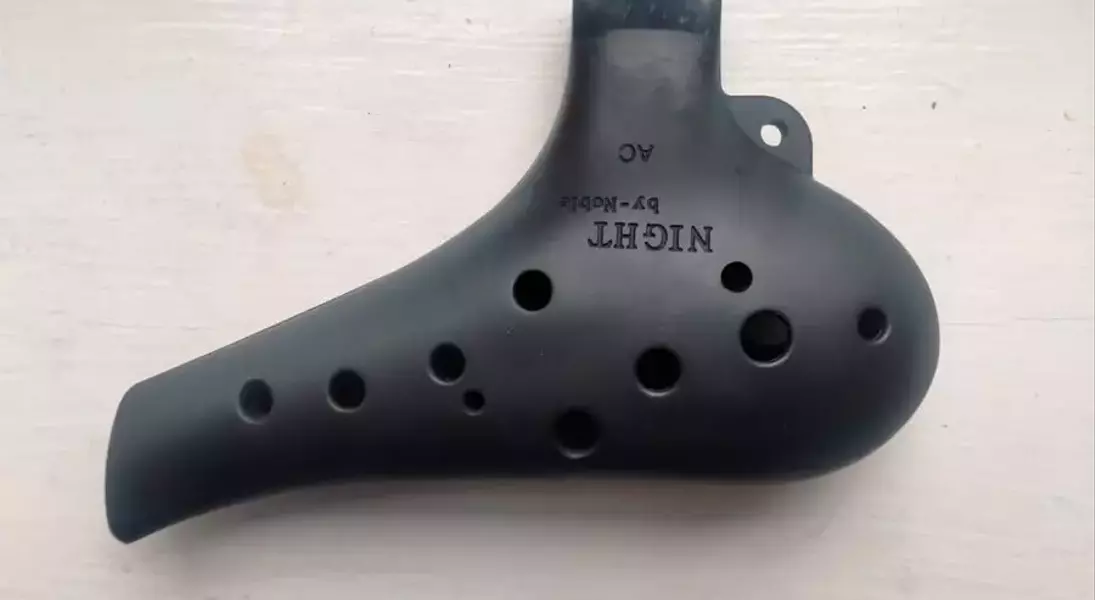
As skills developed, so did the desire for an instrument better suited to consistent high notes. The author's initial ocarina, while charming, occasionally produced shrill sounds. This led to the purchase of a 'Night By Noble' ocarina, praised online for its quality, which offered a more consistent tone, despite its less whimsical appearance.
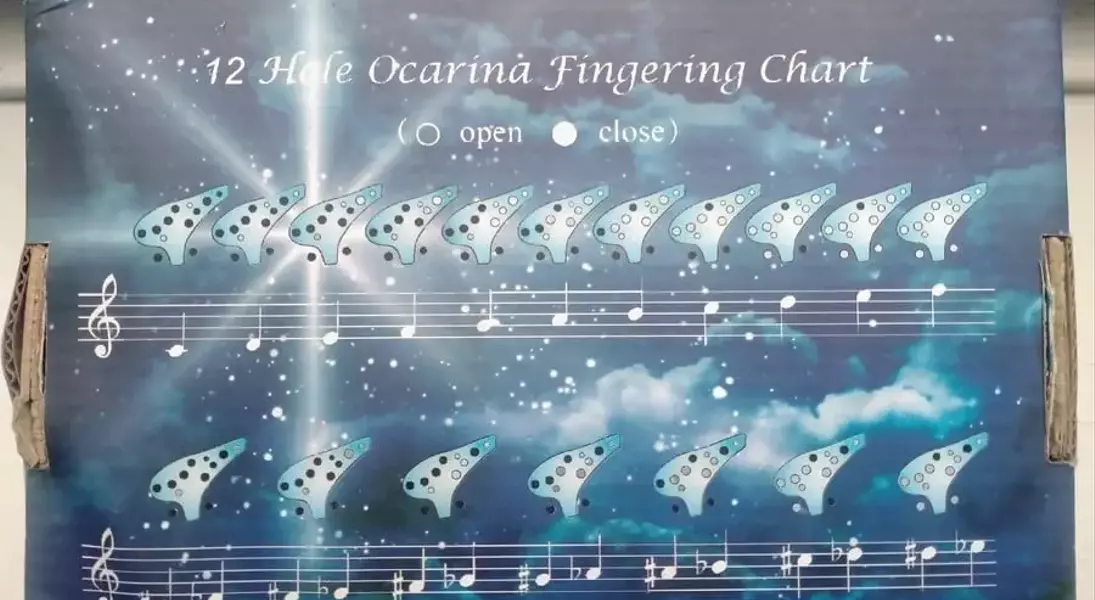
Mastering the ocarina involves more than just blowing into it; it requires understanding its unique "control scheme." The author likens the precise finger placement and subtle shifts required to playing a video game, highlighting the tactile and engaging nature of the learning process. The swift coordination of fingers, particularly the fourth and fifth for higher notes, soon becomes intuitive.
A significant discovery for the learner was the abundance of online resources, particularly ocarina tab sheets, which provide visual guides to finger patterns. This allows for a 'Guitar Hero'-like approach to learning, focusing on musical pieces from the Zelda series. The limited range of notes in many of these game tunes makes them accessible even for beginners.
The 'Song of Time,' an iconic melody, was a primary target for mastery. Its Dorian mode composition and nostalgic resonance made it a deeply satisfying piece to learn. Similarly, 'Zelda's Lullaby,' with its emotive high D, proved challenging but immensely rewarding, requiring careful breath control and finger positioning.
'Ballad Of The Gales,' while not strictly from 'Ocarina of Time' but rather 'Wind Waker,' was also tackled. Its heroic sound and the intricate finger changes required to capture its essence added another layer of complexity and satisfaction to the learning process. The author notes how these recurring musical motifs contribute to the overarching 'Uber-Zelda vibe' of the series.
A practical tip shared is to keep the ocarina easily accessible and visible. This reduces friction, transforming practice from a chore into a spontaneous, enjoyable respite from daily tasks. Short, frequent practice sessions, much like micro-lessons, contribute significantly to improvement over time.
The author draws a parallel between musical practice and gaming, suggesting that years of gaming, with its cycles of restarts and focused repetition, might train 'learning muscles' that are beneficial for mastering an instrument. This mindset allows for persistent, focused practice without succumbing to frustration.
Finally, 'Fi's Theme' from 'Skyward Sword' was chosen for its beauty and the intricate 'flutters' required, posing a new technical challenge. The journey also uncovered the ocarina's historical presence in media beyond Zelda, such as 'Dragon Ball Z' and even earlier Zelda titles, underscoring its cultural significance. The influence of figures like Sojiro, who dedicated years to perfecting the 'sweet potato' ocarina, further enriches the instrument's story.
This ongoing exploration of the ocarina, deeply intertwined with gaming nostalgia, offers a unique blend of musical discovery and personal reflection. It's a reminder that passions can be reignited and new skills acquired at any stage of life, especially when inspired by the enduring magic of fictional worlds.
This journey into learning the ocarina, inspired by video games, offers a powerful lesson: our hobbies and passions, even those seemingly confined to digital realms, can spark real-world exploration and skill development. It demonstrates that the joy of learning is not just about formal education but also about pursuing curiosities that resonate with us on a deeper, often nostalgic, level. The accessibility of instruments like the ocarina, coupled with online resources and a supportive community, lowers the barrier to entry for many, proving that musical mastery isn't just for the prodigies but for anyone with a curious spirit and a willingness to toot a few notes.