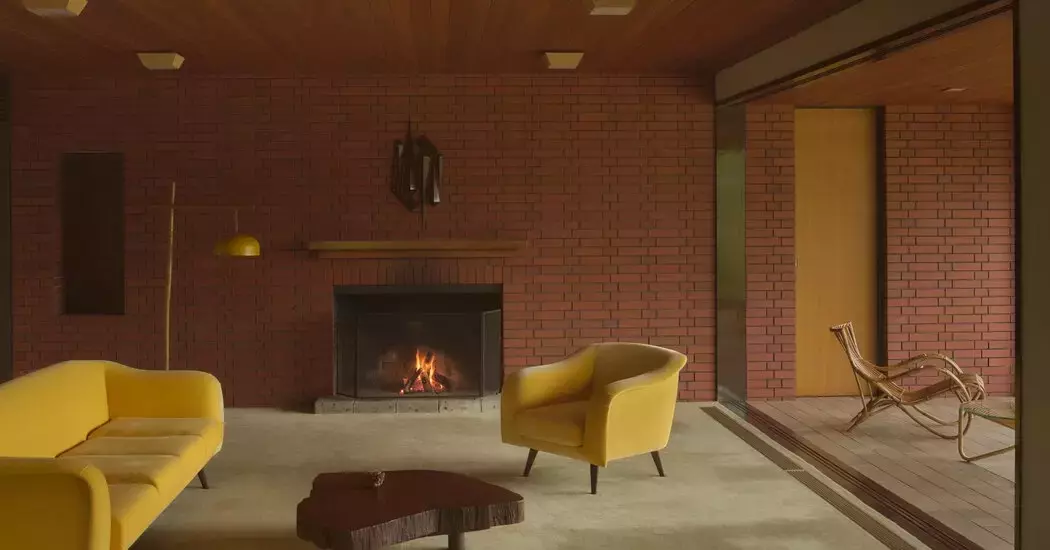
The revival of a midcentury home offers a fresh perspective on the work of the underappreciated architect Junzo Yoshimura, weaving his contributions into the broader narrative of global Modernism. This exploration delves into the meticulous restoration and reinterpretation of one of Yoshimura's lesser-known yet significant works—a weekend retreat in Atami, Japan.
Unveiling an Architectural Gem: The Timeless Allure of Yoshimura’s Design
A Pioneering Architect and His Influences
Junzo Yoshimura's journey from Tokyo to New York and back again is a testament to the power of architectural vision shaped by cross-cultural experiences. Born in Japan, Yoshimura was deeply influenced by Antonin Raymond, who himself had been mentored by Frank Lloyd Wright. This lineage of mentorship fostered a unique blend of Japanese aesthetics and Western Modernism. Yoshimura's early exposure to the Imperial Hotel, designed by Wright, sparked a lifelong passion for architecture that would eventually lead him to design iconic structures both in Japan and abroad.Yoshimura's work in the United States included designing a house for the Museum of Modern Art's garden and two buildings for Nelson Rockefeller's estate. However, it was in Japan where he truly flourished, creating numerous private residences and even contributing to the design of Emperor Hirohito’s palace wing. His designs were characterized by their seamless integration of nature, functionality, and artistic expression, making them timeless masterpieces.Reviving a Midcentury Masterpiece
Five years ago, Naoki Kotaka and Aimi Sahara embarked on a remarkable project to restore a weekend home designed by Yoshimura in Atami, located about 60 miles southwest of Tokyo. Initially reluctant due to its smaller size, their client—a wealthy Japanese investor—was persuaded by the potential to transform this property into a showcase of Yoshimura's genius. The house, built in 1977, became a canvas for Kotaka and Sahara's vision of blending rare midcentury pieces with contemporary art.The restoration process involved more than just preserving the structure; it aimed to breathe new life into the space while honoring Yoshimura's original intent. Repainting, carpentry fixes, and retiling were meticulously executed, ensuring that every detail aligned with the architect's vision. The carpets, sourced from Yoshimura's preferred mill, were recarpeted to maintain the authenticity of the design. Contemporary artworks by artists like Alex Katz were added to complement the midcentury furniture, creating a harmonious blend of old and new.Artistic Collaboration and Cultural Context
Kotaka and Sahara's approach to the restoration was not just about physical changes but also about placing Yoshimura within a broader cultural and historical context. They sought out rare midcentury pieces from auctions and galleries around the world, including Milan, São Paulo, Paris, and New York. Each piece was chosen for its ability to enhance the narrative of Yoshimura's work, connecting it to the international network of Modernist architects like Le Corbusier, Charlotte Perriand, and Ludwig Mies van der Rohe.The house now functions as both an event and exhibition space, showcasing Yoshimura's architectural brilliance alongside a collection of modern art. This dual purpose allows visitors to experience the home not just as a static relic of the past but as a living, breathing testament to the enduring impact of midcentury design. The restoration has successfully elevated Yoshimura's status as an influential figure in the global architectural community, highlighting the importance of preserving and celebrating lesser-known yet significant works.A Promise Kept: Honoring the Original Vision
Before acquiring the property, Kotaka and Sahara made a solemn promise to Endo’s son, whose family often visited the house, that they would preserve its integrity. This commitment guided every decision during the restoration process. Consulting with historians, architects, and craftspeople ensured that the restoration remained true to Yoshimura's original design principles. The result is a beautifully restored home that feels both nostalgic and contemporary, ready to welcome visitors and continue its legacy as a symbol of architectural excellence.The house now stands as a bridge between past and present, inviting guests to explore the intersection of history, art, and design. It serves as a reminder of the profound influence that Yoshimura had on midcentury architecture and the importance of preserving such treasures for future generations. Through this restoration, Kotaka and Sahara have not only honored the original vision but have also created a space that continues to inspire and educate those who visit.