

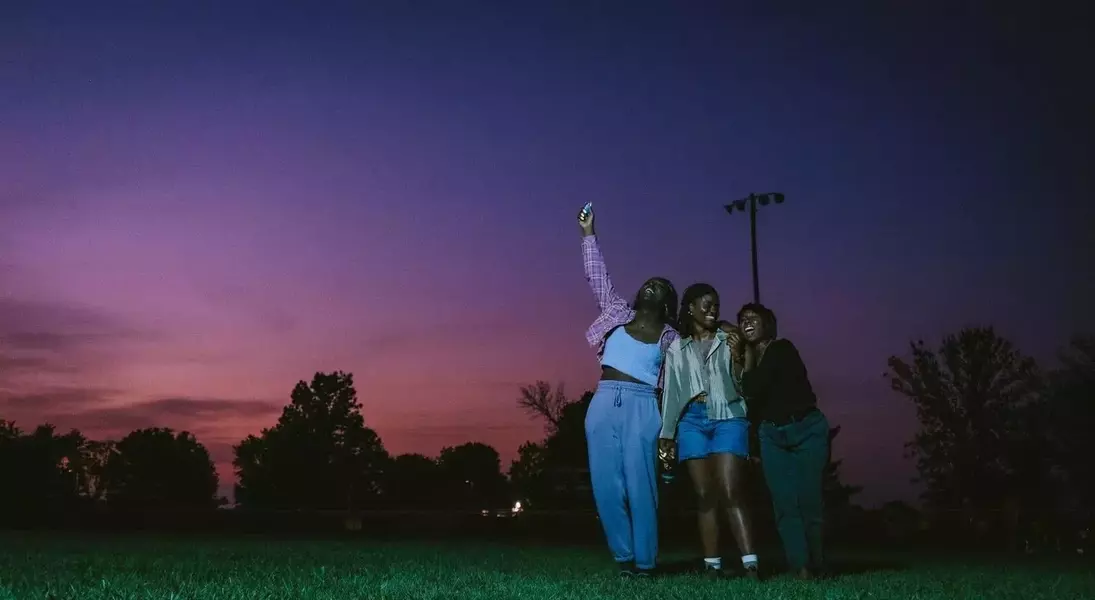

Shatara Michelle Ford's "Dreams in Nightmares" and Dylan Meyer's "The Wrong Girls" are two recent cinematic works that are cleverly subverting the established "road movie" formula. Ford views her film as a "revisionist road movie," deliberately engaging with and re-imagining the genre's classic elements, moving beyond its traditional focus on individualistic quests and westward expansion. Her film chronicles the journey of three queer friends traveling across America and into Mexico in search of a missing companion, transforming the conventional narrative into a exploration of deep friendships and the varied paces at which people navigate life.
Similarly, Meyer's "The Wrong Girls" offers a fresh take on the buddy comedy. Consciously sidestepping the creation of a "girl movie doing an impression of boy movies," Meyer rooted her story in a deeply personal reflection of a real-life friendship. Her film highlights the strong, often codependent, bonds between women, a dynamic frequently underrepresented in cinema. Both directors prioritize genuine connections and personal experiences, whether it's Ford portraying the journey of Black queer individuals through different regions or Meyer showcasing the authentic, subversive behavior of women often relegated to the sidelines of stoner comedies. These films aim to provide a more inclusive and nuanced portrayal of human experiences on screen.
These innovative films challenge prevailing cultural narratives and Hollywood conventions, suggesting that profound self-discovery and meaningful relationships are not exclusive to traditional archetypes. By allowing their characters to navigate life's complexities on their own terms, Ford and Meyer champion a vision of personal agency and communal solidarity. This approach reflects a broader feminist ideal: the freedom to exist authentically, unburdened by societal expectations or predetermined paths. These works collectively encourage audiences to embrace diverse experiences and find strength in unconventional bonds, advocating for a cinema that mirrors the rich tapestry of human existence.
