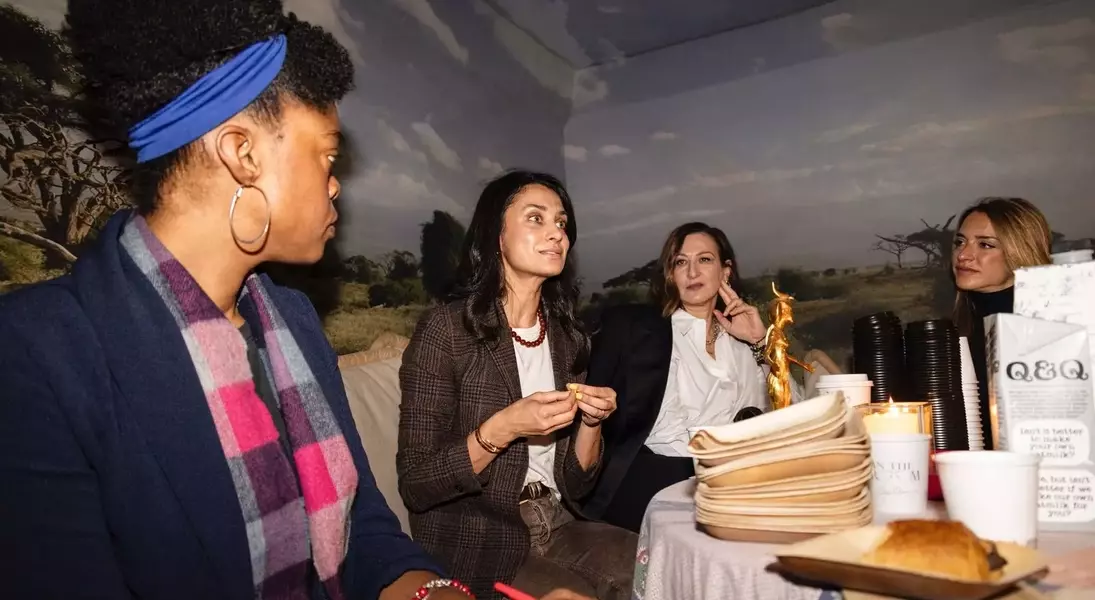

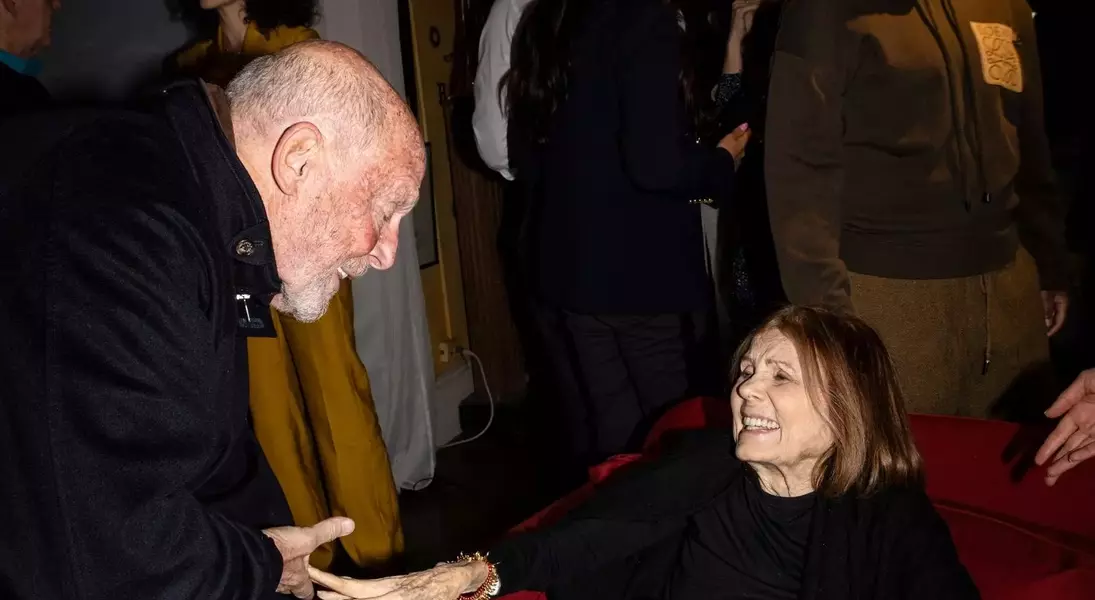
In an intimate gathering hosted by feminist icon Gloria Steinem, a diverse group of prominent figures, including celebrities and academics, engaged in a candid discussion about the complexities of masculinity and the persistent challenges of equitable domestic responsibilities. The event, held in Steinem's New York City residence, served as a platform to critically examine traditional gender expectations and the often-unseen burdens placed on women within household management. Through personal anecdotes and expert insights, participants explored the societal implications of uneven labor distribution and the ongoing quest to define and foster healthy expressions of masculinity in contemporary society.
The dialogue frequently circled back to the ingrained societal biases that contribute to women shouldering a disproportionate amount of domestic work, even when they are also primary breadwinners. This imbalance, as highlighted by various attendees, often leads to frustration and resentment, underscoring a fundamental need for re-evaluation of how tasks are valued and shared within relationships. The discussion also delved into the broader societal narrative surrounding men's roles, questioning the absence of a clear framework for what constitutes 'non-toxic masculinity' and acknowledging the pressure men face to conform to traditional, often restrictive, archetypes.
Exploring Domestic Equity and Gender Dynamics
Feminist icon Gloria Steinem convened a thought-provoking gathering in her Manhattan home, drawing together an eclectic mix of celebrities and intellectual figures to delve into the nuanced topic of modern masculinity. The discussion, initiated by a simple yet potent prompt about paternal involvement in birthday planning, quickly unveiled a deeper examination of gender roles and the often-unacknowledged disparities in domestic contributions. With luminaries like Amy Schumer and Dr. Corinne Low contributing, the conversation illuminated the pervasive belief that household and emotional labor predominantly falls to women, leading to a candid exchange of personal experiences and academic perspectives on this enduring social issue. The atmosphere, though convivial, resonated with an undercurrent of shared frustrations regarding the unequal division of responsibilities within homes.
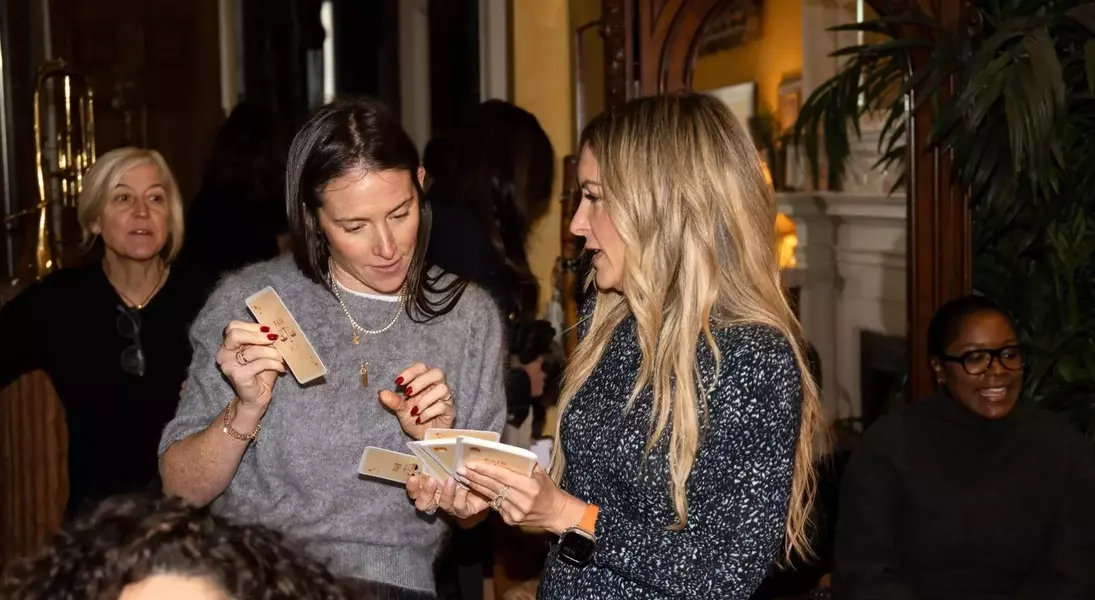
The heart of the discussion centered around the disparities in domestic labor, particularly within heterosexual relationships, a theme powerfully illustrated by Eve Rodsky's 'Fair Play' game. This exercise revealed a widespread sentiment of exasperation among women, who often find themselves managing an extensive list of unpaid household tasks. Personal narratives underscored this imbalance, from a working mother's ordeal of juggling professional deadlines with forgotten grocery lists to observations about men's housework increasing post-divorce, suggesting that the presence of a male partner can, paradoxically, create more domestic work for women. While some participants challenged the notion of inherent male ineptitude, the collective experience pointed towards a societal structure that frequently absolves men of significant domestic responsibility, leading to considerable resentment and an ongoing struggle to achieve genuine equity in the home.
Redefining Masculinity: Beyond Traditional Tropes
The conversation at Gloria Steinem's apartment extended beyond domestic duties, venturing into the more abstract and challenging terrain of defining contemporary masculinity. As participants explored what constitutes 'non-toxic masculinity,' a critical dialogue emerged regarding societal expectations and the pressures men face. The discussion acknowledged the difficulties in moving beyond traditional, often restrictive, portrayals of manliness, with some questioning whether an emphasis on 'non-toxic' simply equates to embracing femininity. This segment of the dialogue highlighted a collective yearning for a more expansive understanding of male identity that moves away from harmful stereotypes and fosters healthier emotional and relational engagement.
Psychologist Dr. Warren Spielberg voiced a concern that the conversation, while highlighting inequities, might overlook positive aspects of male identity, prompting a crucial reflection on the need for a balanced perspective. Divorce lawyer James Sexton's query, "What is non-toxic masculinity?" encapsulated the group's struggle to articulate a clear, constructive definition. Comedian Sam Jay's unique perspective, as a "masculine of center" lesbian, offered a powerful insight into the differing social treatment of men and women, underscoring a perceived lack of communal support for men compared to the solidarity often experienced among women. This segment of the discussion revealed a complex interplay of frustration and a collective desire to forge new pathways for men to contribute meaningfully and equitably to both domestic life and broader society, moving beyond the entrenched patterns of the past.
