

A groundbreaking medical achievement has recently unfolded, demonstrating the remarkable capabilities of modern reproductive science. A newborn, Thaddeus Daniel Pierce, has entered the world, setting an unprecedented record as the longest-gestated baby from a cryopreserved embryo, having spent over three decades in frozen suspension. This extraordinary birth not only pushes the boundaries of what is possible in fertility treatments but also underscores the profound emotional and ethical considerations involved in embryo donation and adoption. The narrative woven around this unique arrival brings together the hopeful journey of adoptive parents, the dedicated efforts of medical professionals, and the enduring legacy of a generous donor, illustrating a compelling story of life, perseverance, and the power of scientific innovation to fulfill dreams of parenthood.
A Miraculous Birth: The Story of Thaddeus Daniel Pierce
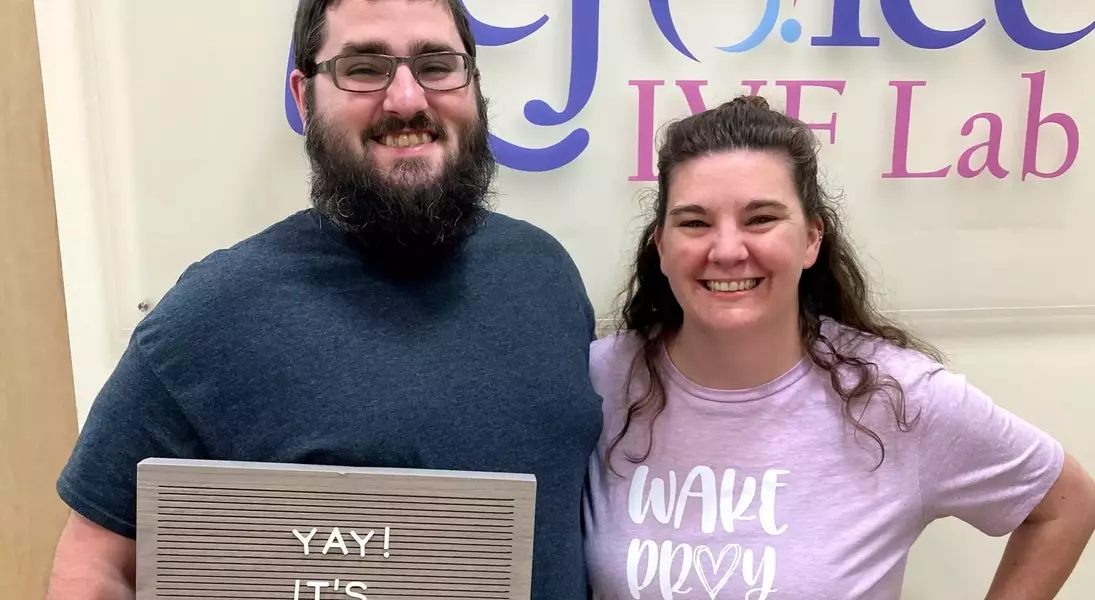
In the vibrant summer of July 26, baby Thaddeus Daniel Pierce made his grand debut, marking a significant milestone in reproductive medicine. Born to his loving parents, Lindsey and Tim Pierce of London, Ohio, Thaddeus's arrival is remarkable because he developed from an embryo that had been carefully stored for an astonishing 30 and a half years. His mother, Lindsey, joyfully shared that despite a challenging delivery, both are now thriving, describing her son as incredibly serene and expressing immense awe at this precious new life. The couple had embarked on a unique path, choosing to 'adopt' this particular embryo from its original donor.
The genesis of this incredible journey traces back to the early 1990s, with Linda Archerd, a 62-year-old resident of the Pacific Northwest, who had sought IVF treatment after six years of trying to conceive. In May 1994, four embryos were created. One resulted in her daughter, now a 30-year-old woman with her own child. The remaining three were cryopreserved. For decades, Archerd diligently paid storage fees, nurturing the hope that these 'three little hopes' might one day find purpose. As she approached menopause, Archerd decided against discarding or anonymously donating the embryos, preferring a more personal connection with the prospective parents and any resulting offspring. This led her to the Snowflakes program by Nightlight Christian Adoptions, an agency that facilitated open embryo adoptions, even for embryos stored for extended periods and under older freezing methods. Despite initial difficulties in finding a clinic willing to work with such aged embryos, Archerd's perseverance, including retrieving handwritten medical records from her former fertility doctor, paid off. In 2022, her embryos were finally placed in Nightlight’s 'matching pool'.
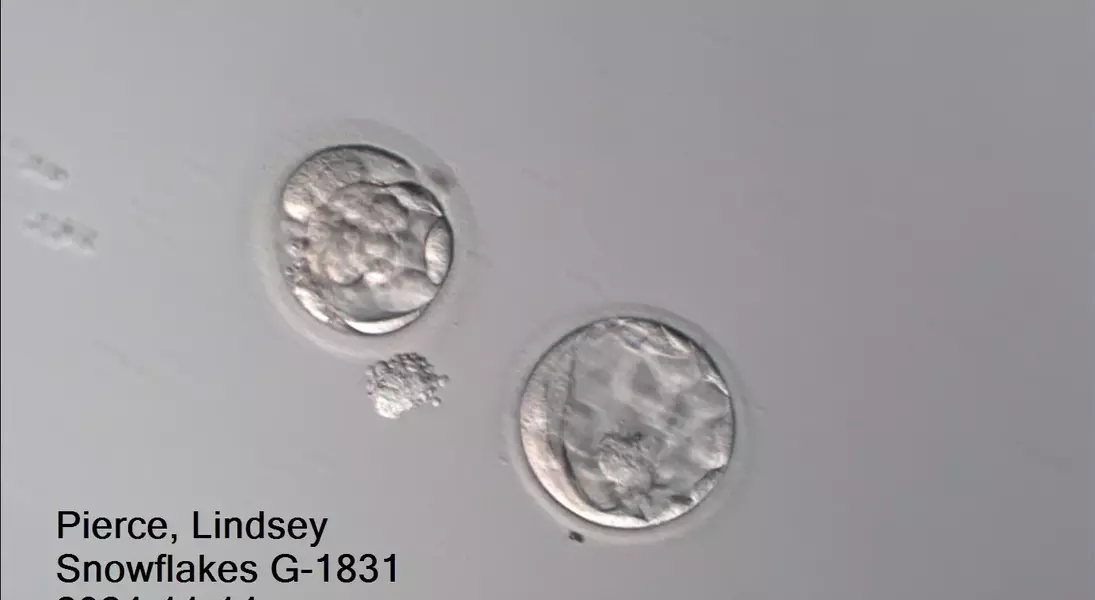
Simultaneously, Lindsey and Tim Pierce, a couple in their mid-thirties who had been trying to conceive for seven years, discovered the Snowflakes program through their own research into child adoption. They registered with Rejoice Fertility in Knoxville, Tennessee, a clinic led by Dr. John Gordon, a reproductive endocrinologist known for his commitment to providing a chance at life for all embryos, regardless of their age or storage conditions. Dr. Gordon's clinic, rooted in faith-based principles, specializes in accepting embryos that many other clinics deem too challenging to handle, including those that were 'slow-frozen' – an older cryopreservation technique. It was this same clinic that previously facilitated the birth of twins from embryos stored for over 30 years in 2022, a record now surpassed by Thaddeus. The Pierces, open to any embryo, were matched with Archerd's. Despite the 5-hour drive from Ohio to Tennessee for their five clinic visits over two weeks, their determination remained steadfast. Of the three embryos, one ceased development, but the remaining two were successfully transferred to Lindsey's uterus on November 14, culminating in the birth of Thaddeus. His birth not only represents a medical triumph but also a touching reunion of biological lineage, as Archerd noted Thaddeus’s striking resemblance to her own daughter as a baby, solidifying their unique family connection.
This remarkable narrative invites us to ponder the expansive possibilities of life and connection in an increasingly advanced world. The birth of Thaddeus Daniel Pierce transcends a mere medical breakthrough; it becomes a profound testament to human resilience, the evolving definition of family, and the ethical considerations surrounding emerging reproductive technologies. It challenges us to consider the enduring legacy of scientific progress and its deeply personal impact on individual lives, inspiring a sense of wonder at how far we have come in shaping the future of human reproduction.
