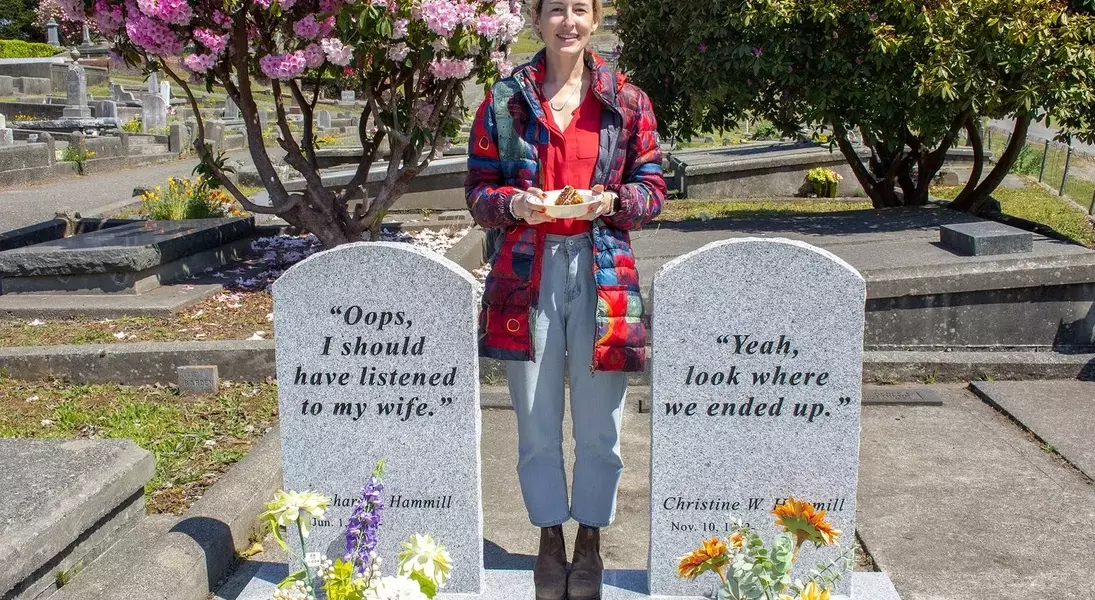
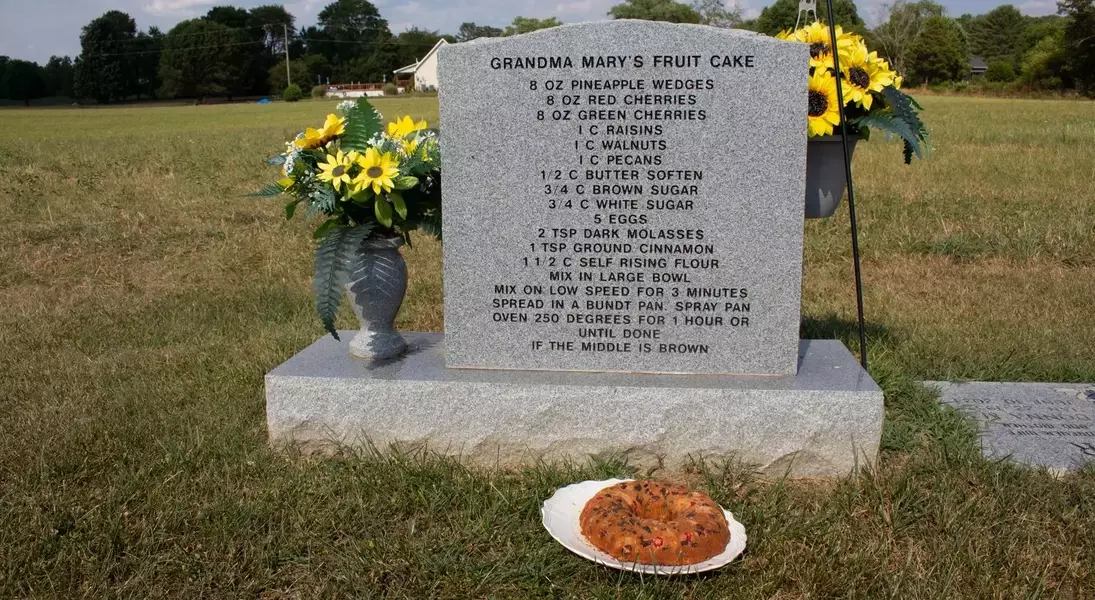
Rosie Grant's unique endeavor, a cookbook titled "To Die For," delves into the fascinating world of recipes etched onto gravestones. This project began as a digital archiving initiative and blossomed into a profound exploration of personal legacies, demonstrating how culinary traditions can serve as enduring tributes to loved ones. The book compiles dishes so intimately tied to the deceased that they were immortalized on their final resting places, offering a comforting and tangible connection to their lives. Through this collection, Grant not only preserves these cherished recipes but also encourages a broader conversation about mortality, memory, and the powerful role of food in our lives.
A Culinary Journey Through Time and Memory
Rosie Grant's journey to uncover these unique culinary memorials began approximately five and a half years ago, while she was interning at the Congressional Cemetery in Washington, D.C. This initial curiosity quickly transformed into a dedicated quest, taking her across the United States, including remote locations like Nome, Alaska, and even to Nova Scotia. Her mission was to visit the gravesites, connect with the families of the departed, and learn the personal stories behind these engraved recipes. This extensive research forms the heart of "To Die For," a book that brings together a diverse array of dishes, from traditional American comfort foods like spritz cookies and carrot cake to more unexpected entries such as a WWII-era guava cobbler and even an Irish coffee recipe. Grant meticulously sought approval from the families of the deceased, often through dedicated online sleuthing via obituaries and social media, to ensure each recipe was shared with respect and permission. A poignant example is Naomi Odessa Miller-Dawson's spritz cookie recipe, found on her headstone in Brooklyn's Green-Wood Cemetery. Naomi's son, Richard Dawson, shared heartfelt memories of his mother's baking, emphasizing the emotional resonance these recipes hold for families. This experience, among others, transformed Grant's project from a mere collection of recipes into a vibrant tapestry of human stories, highlighting how food preserves memories and fosters connection across generations. Grant notes that modern gravestone customization, thanks to durable granite and industrial tools, allows for these deeply personal memorials to last for centuries, ensuring that these culinary legacies continue to inspire and connect. She views cemeteries not as places of finality, but as vibrant spaces teeming with life and knowledge, waiting to be discovered by those open to their stories.
Rosie Grant's work offers a profound insight into the human desire for remembrance and connection. Her project not only preserves a unique form of cultural heritage but also gently nudges us to consider our own legacies and the stories we wish to pass on. It highlights how shared meals can transcend grief, serving as a powerful medium for memory and healing. The book ultimately inspires us to engage with our family histories, especially through the comforting lens of food, and to actively participate in the rituals that keep those memories alive for future generations. As Grant wisely states, "If we don’t do it, nobody else will."