
This report details the ongoing recovery and rebuilding efforts within Los Angeles' fashion and apparel sector, one year after wildfires caused widespread destruction. It examines the profound impact on businesses and individuals, highlighting the collaborative spirit of the community and the journey towards reconstruction and renewed prosperity.
Rising from the Embers: A City's Undaunted Spirit to Reconstruct and Thrive
The Initial Aftermath: A Year of Unprecedented Challenges for Los Angeles Businesses
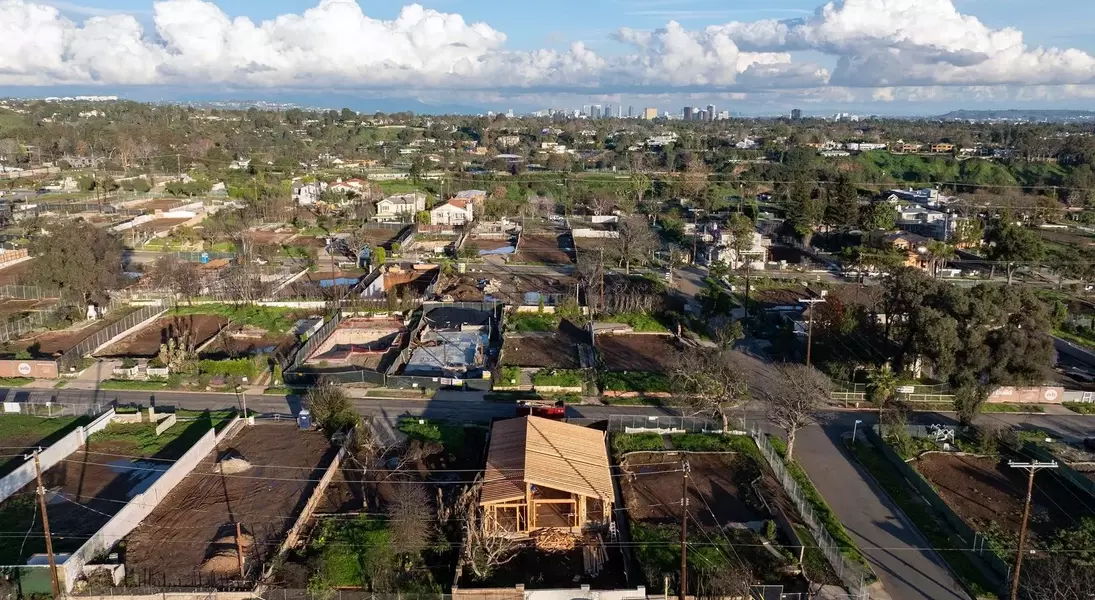
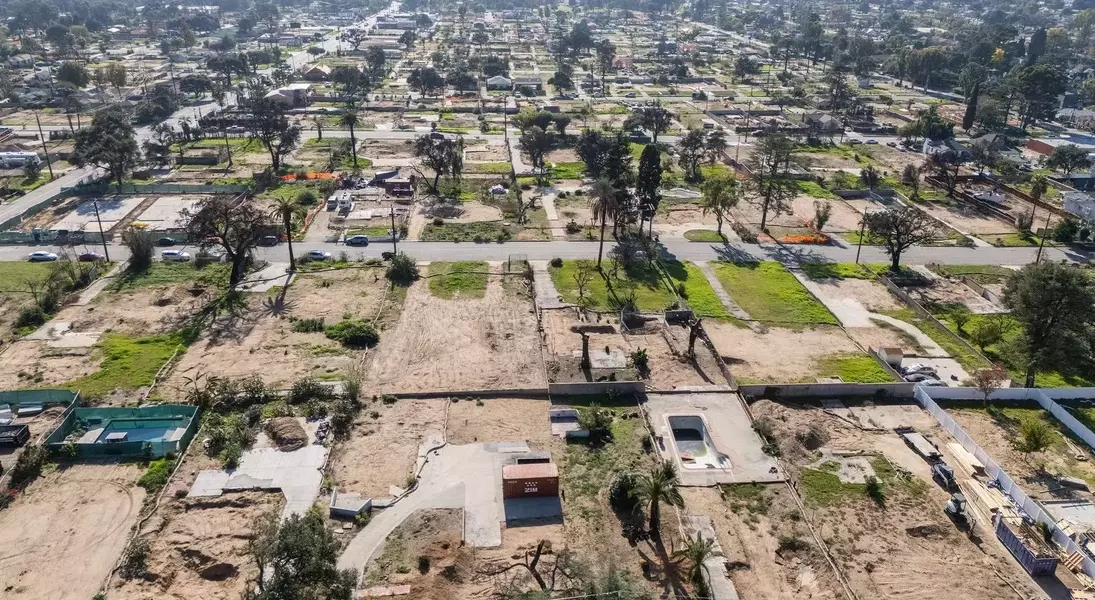
Exactly one year ago, devastating wildfires forced the evacuation of numerous establishments in Los Angeles, including three of Elyse Walker's prominent stores in the Palisades and Calabasas. Reflecting on the past year, Walker describes it as the most challenging period for her business, even surpassing the difficulties encountered during the COVID-19 pandemic. Her store in Pacific Palisades, the very foundation of the Elyse Walker brand, was among the 7,000 structures obliterated by the Palisades and Eaton fires on January 7, 2025. A drive along the Pacific Coast Highway today reveals stark reminders of the disaster, with empty lots and nascent construction signifying a community grappling with immense loss and the daunting task of rebuilding.
Community Unity and Support: Fashion's Response to the Catastrophe
In the wake of the fires, the media initially provided extensive coverage, but as time passed, the focus shifted, leaving locals to confront a new and difficult reality. The fashion community, both within and beyond Los Angeles, quickly mobilized to offer support. Local brands spearheaded donation drives for those who had lost their homes. Avery Colvert, then 14, established Altadena Girls, a platform specifically for teenage victims of the Eaton fire. Significant fundraising events, such as Vogue World: Hollywood, generated substantial funds for relief efforts. Additionally, Fashion Girls for Humanity organized an online auction, raising over $100,000 for rebuilding initiatives, directing grants to schools in affected areas. This collective action underscores a commitment to bridging immediate and long-term recovery needs.
The Grueling Pace of Reconstruction and the Lingering Emotional Toll
Nina Garduno, founder of Free City, vividly describes the widespread destruction, stating that the reality was as dire as it appeared. Kikka Hanazawa, co-founder of Fashion Girls for Humanity, emphasizes that recovery unfolds in distinct phases: immediate, intermediate, and long-term. Currently in the intermediate phase, residents and businesses are confronting bureaucratic hurdles, with complex zoning and policy changes impeding rebuilding progress. The first authorized home reconstruction in the Palisades, approved in December, had already commenced prior to the fires, benefiting from pre-existing permits. Hanazawa, a Palisades resident, recounted the day the fires began, highlighting the unusual intensity compared to previous warnings. While her home survived, many neighbors were not as fortunate, leading to profound emotional and mental health concerns within the community.
Business Resilience and Innovative Strategies Amidst Adversity
Elyse Walker candidly discusses the severe impact on her business, with her two Palisades stores previously accounting for 45% of sales and 48% of profit. Despite the immense losses, she managed to retain approximately 80% of orders, ending the year with a sales decrease of only 16-18% and a profit reduction of about 10%. Walker attributes this relative success to bold decisions and a stroke of luck. The disaster also presented unexpected opportunities, such as opening a temporary Hamptons space to reallocate inventory and employees, which proved so successful that a permanent Southampton store is now planned. This experience has prompted Walker to rethink operational strategies, encouraging employee rotations to foster learning and collaboration across different store locations, aiming to integrate these lessons into future operations.
The Path Ahead: Reopening, Community Engagement, and Long-Term Recovery
The Palisades Village is slated for an August reopening, signifying a shift from recovery to renewed optimism. Caruso's CEO, Corinne Verdery, views this as a fresh start, with plans to gut and renovate most owned spaces and common areas to ensure a safe environment. Walker is actively assisting Caruso in attracting both former and new brands to the Palisades. While some pre-fire tenants remain undecided, Erewhon has confirmed its return. Hanazawa, however, expresses concerns about the slow return of foot traffic, predicting it could take five to seven years for the area to fully recover, especially given that many residents have relocated. Despite these challenges, Walker remains confident that the Los Angeles community will rally to support the revitalized Palisades, spurred by new attractions like chef Nancy Silverton's restaurant, which is expected to draw visitors from across the city. Smaller independent businesses face a steeper climb, but many, like Garduno, hold an optimistic view, believing the city will bloom again, albeit in a humble yet beautiful manner.
