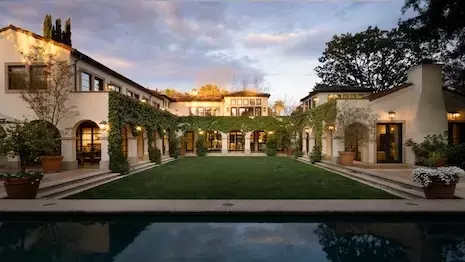
The luxury real estate market has shown surprising resilience, with a notable uptick in transactions despite waning interest from affluent buyers in a major metropolitan area. Compass, a leading brokerage firm, reports that after several years of decline, the high-end property sector is experiencing a resurgence.
Discover How the Luxury Property Sector Is Thriving Against All Odds
Persistent Resilience in High-End Property Transactions
Despite challenges faced by the luxury real estate sector, recent data reveals a significant shift in market dynamics. For years, the top-tier property market had been grappling with a steady decline in transaction volumes, particularly among affluent buyers. However, the latest figures from Compass indicate a remarkable turnaround. This unexpected rebound suggests that factors beyond buyer sentiment are driving market activity.
One key driver of this resurgence could be the changing preferences of investors and homeowners alike. While affluent buyers may have temporarily stepped back, other segments of the market have stepped up to fill the gap. Investors seeking stable returns in uncertain economic times have found refuge in high-end properties, which tend to retain their value over time. Additionally, the allure of prime locations and exclusive amenities continues to attract those looking for long-term investments or second homes.
Exploring the Factors Behind the Market Rebound
A closer examination of the market reveals several underlying factors contributing to its recovery. Economic conditions, while not entirely favorable, have stabilized in certain regions, providing a foundation for renewed confidence. Moreover, government policies aimed at stimulating the housing sector have played a crucial role. Tax incentives, relaxed lending standards, and support for first-time buyers have all contributed to a more vibrant market environment.
Another significant factor is the evolving nature of work and lifestyle preferences. The rise of remote working has allowed individuals to consider relocating to areas previously deemed impractical. This shift has opened up new opportunities for luxury real estate developers to cater to changing demands. Properties offering spacious living areas, home offices, and recreational facilities are becoming increasingly popular, reflecting a broader trend towards prioritizing quality of life.
Impact on Major Metropolitan Areas
Major cities, traditionally hubs for luxury real estate, have experienced mixed outcomes during this period. In some cases, declining interest from affluent buyers has led to softer prices and reduced transaction volumes. Yet, these same cities have also witnessed pockets of resilience, where certain neighborhoods continue to thrive. The diversity within urban markets highlights the complexity of the real estate landscape and underscores the importance of location in determining property performance.
For instance, areas with strong infrastructure, excellent schools, and vibrant cultural scenes remain highly sought after. These factors contribute to sustained demand, even in challenging times. Conversely, regions facing economic downturns or policy changes may struggle to maintain momentum. Understanding these nuances is critical for stakeholders aiming to navigate the luxury real estate market successfully.
Long-Term Prospects for the Luxury Property Sector
Looking ahead, the future of the luxury real estate market appears promising but uncertain. While the current rebound is encouraging, it is essential to remain cautious and adaptable. Economic volatility, geopolitical tensions, and shifting consumer behaviors could all influence market trends in the coming years. Nonetheless, the inherent appeal of high-end properties—quality, exclusivity, and stability—remains a powerful draw for both domestic and international buyers.
To capitalize on these opportunities, industry players must stay attuned to emerging trends and adapt their strategies accordingly. Emphasizing sustainability, technology integration, and personalized services can enhance the attractiveness of luxury properties. Furthermore, fostering partnerships with local communities and embracing innovative marketing approaches can help build stronger connections with potential buyers. The path forward requires a balanced approach, combining foresight with flexibility to meet the evolving needs of the market.
