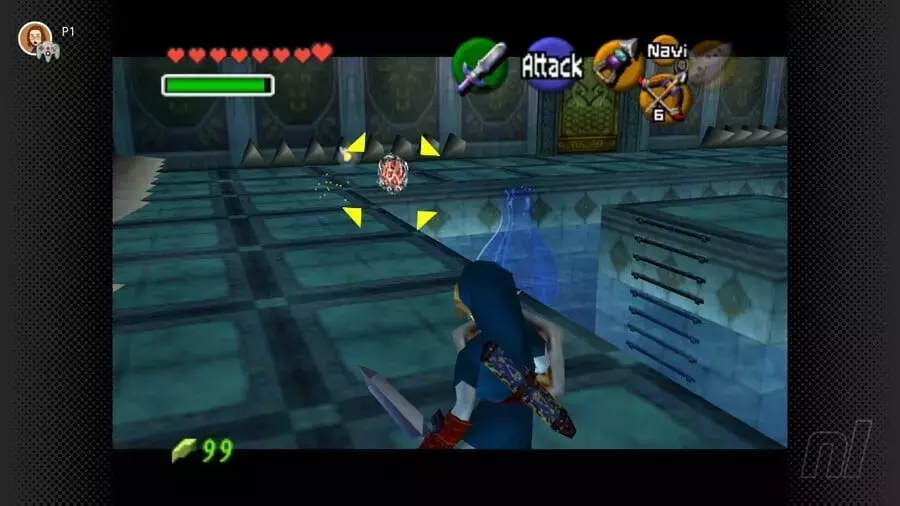

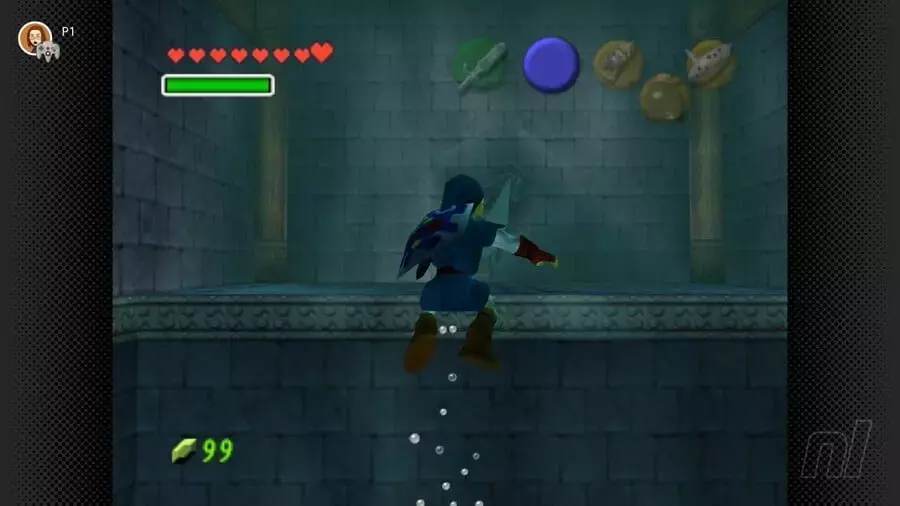
The notorious Water Temple from The Legend of Zelda: Ocarina of Time, a frequent target of player frustration, is being re-evaluated through a current N64 playthrough. This piece argues against the widespread criticism, asserting that the dungeon, when viewed past its most commonly cited flaw—the Iron Boots mechanic—stands as a triumph of game design. Its sophisticated layout and innovative puzzles, far from being a source of annoyance, reveal a profound depth that many may have overlooked. With the 3DS version already having addressed previous issues, and further enhancements expected in the forthcoming Switch 2 remake, a new appreciation for this aquatic challenge is on the horizon, inviting both veteran and new players to reconsider its merits.
For years, the mere mention of the Water Temple has conjured images of tedious menu navigation due to the Iron Boots. This design choice, even acknowledged by Eiji Aonuma, was largely mitigated in the 3DS iteration and is expected to be further refined in the Switch 2 release. However, stripping away this single inconvenience reveals a dungeon of remarkable ingenuity. Its centerpiece, a multi-tiered chamber that initially appears dauntingly complex, cleverly guides players through its challenges. The journey involves manipulating water levels to unlock new paths and uncover secrets, a mechanic that, once understood, transforms the experience into a linear yet satisfying progression.
The dungeon's design expertly employs subtle hints and visual cues to direct players, such as a strategically placed cracked wall that signals a future interaction, or a rising platform that reveals a hidden passage. These elements encourage attentive exploration rather than brute-force progression. The encounter with Dark Link, a recurring and iconic mini-boss, further heightens the temple's atmosphere, providing a memorable challenge that, despite its familiarity, retains its capacity to chill players to the bone. This segment stands out for its uncanny mood and the psychological anticipation it builds.
The concluding boss battle against Morpha, while occasionally criticized for its arena size, offers an engaging challenge centered around precise targeting and timing. The core concept of exposing and attacking its nucleus remains a clever puzzle, reminiscent of other acclaimed Nintendo titles like Pikmin. Despite any minor frustrations, the overall design ethos of the Water Temple, with its focus on environmental puzzles and strategic combat, ensures a rich and rewarding gameplay experience that warrants its standing as a well-crafted segment of the game.
The Water Temple, while often maligned, truly shines once its core mechanics are embraced and the initial hurdles overcome. Its intricate level design, the satisfaction derived from solving its water-level puzzles, and the memorable boss encounters collectively contribute to a dungeon that is far more than just its reputation suggests. With modern remakes promising to iron out past wrinkles, the stage is set for a fresh wave of players to discover the inherent brilliance of this underwater labyrinth.
