Real Madrid, under the fresh leadership of Xabi Alonso, has initiated a significant rebuilding phase, marked by their recent 1-0 victory over Osasuna. This season is crucial for the club to move past the disappointment of the previous year, which saw them miss out on major trophies and suffer a heavy defeat in the Club World Cup. The squad has been bolstered by new talents, including Trent Alexander-Arnold, Dean Huijsen, Alvaro Carreras, and Franco Mastantuono, all of whom featured in the opening match, signaling a new era for the Spanish giants. This period of transition involves critical evaluations of player roles, potential transfers, and the integration of promising young stars into the first team, all while addressing the complex dynamics of player performance and contractual obligations.
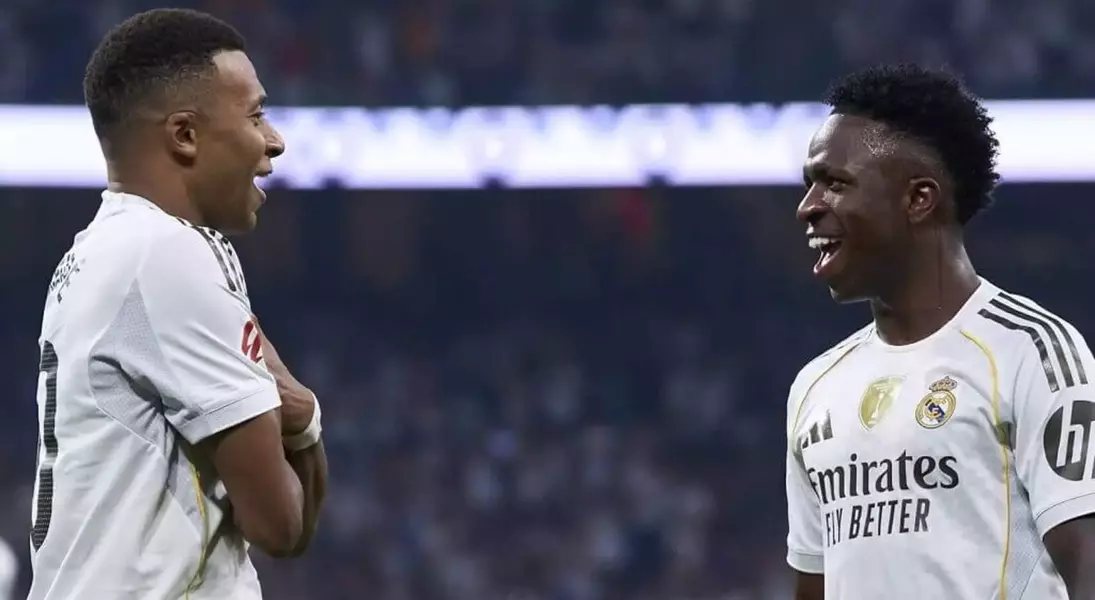
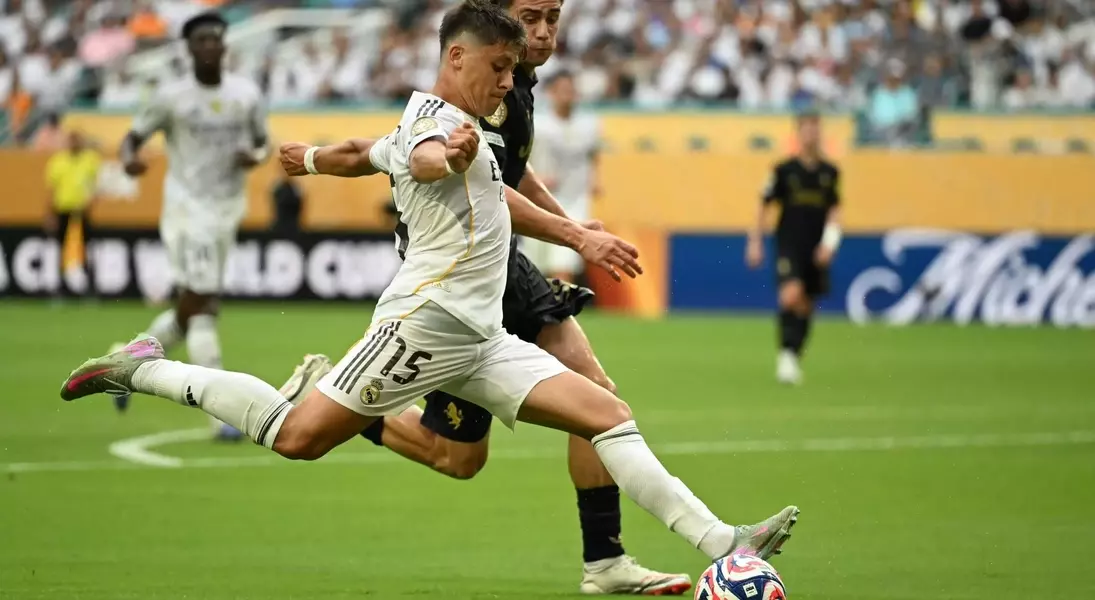
Central to Real Madrid's strategic considerations are the roles of their influential midfielders and dynamic forwards. Discussions around Arda Guler's development highlight the club's long-term vision to transition him into a deeper midfield role, potentially as a successor to Luka Modric, a plan accelerated by Alonso's arrival. Similarly, the situation with Vinicius Junior is under scrutiny, with the club weighing his performance against salary demands amidst potential interest from external leagues. The article also addresses the tactical challenges of integrating high-profile attackers like Kylian Mbappe and Vinicius Junior, particularly concerning their defensive contributions and positional flexibility. Furthermore, the club's careful management of emerging academy talents, such as Joan Martinez and Diego Aguado, underscores their commitment to nurturing future stars and ensuring a robust squad depth. The delicate balance between immediate success and long-term player development remains a key focus for Alonso and the Real Madrid board.
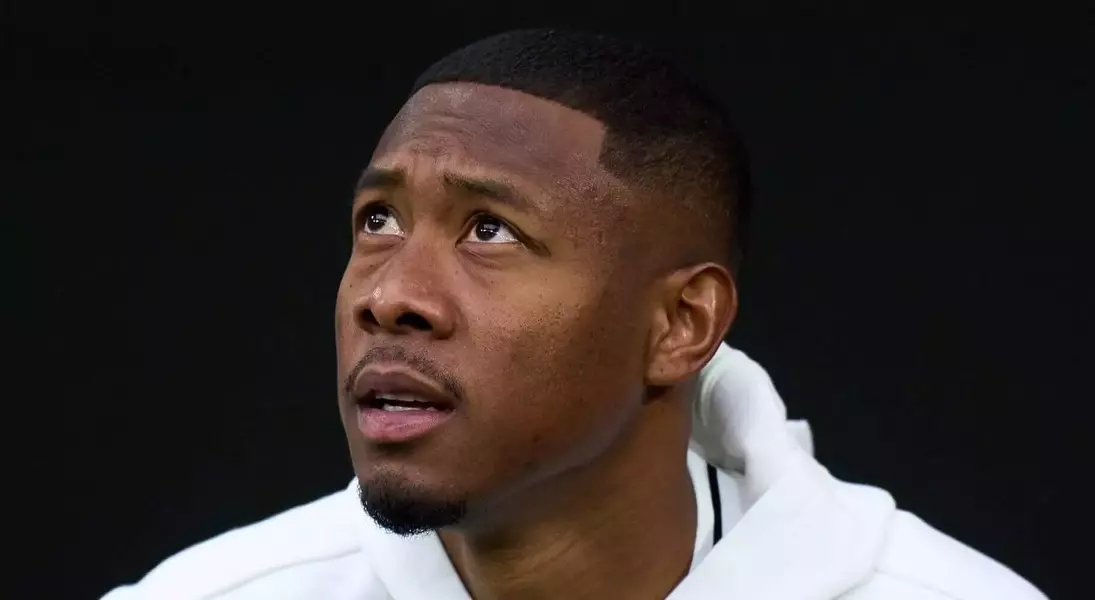
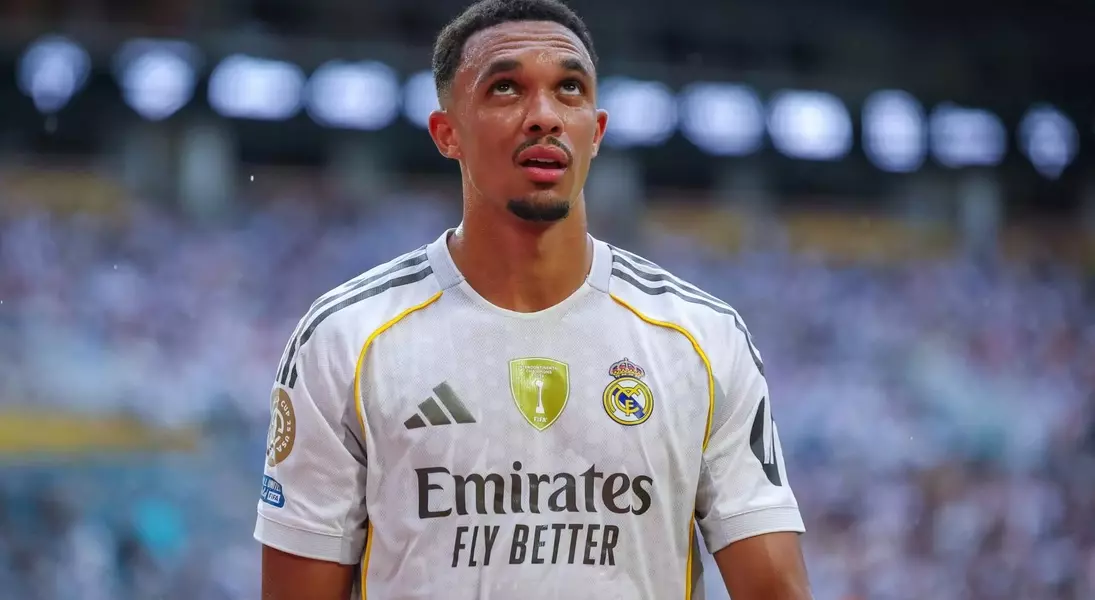
Looking ahead, Real Madrid faces pivotal decisions regarding player fitness, transfer strategies, and the optimal deployment of their versatile squad. The club's cautious approach to David Alaba's return from injury and the ongoing assessment of Trent Alexander-Arnold's best position—whether as a right-back or a central midfielder—illustrate the strategic depth required to navigate a demanding season. The integration of young talents like Endrick and the roles of existing players such as Fran Garcia and Rodrygo will be closely monitored, influencing the team's overall chemistry and performance. Real Madrid's ambition to regain its elite status is not merely about winning games; it’s about fostering a cohesive, adaptable, and forward-looking team that can sustain success for years to come. This period of strategic evolution underscores the club's enduring commitment to excellence and its proactive approach to shaping the future of football.
