
Real Madrid is undergoing a significant transformation, with Xabi Alonso taking over as head coach and a wave of new talent joining the squad. The club is determined to reclaim its dominance in both La Liga and the Champions League after a disappointing, trophyless previous season. This new era is marked by a clear strategy of investing in promising young players, complementing their existing star power.
The defensive vulnerabilities observed last season remain a concern, despite the arrival of key defensive players. The team's ability to implement Alonso's high-pressing style will be crucial for their success. While the coaching staff and squad have seen considerable changes, the club's long-term vision emphasizes patience and steady progress under Alonso's leadership, aiming for sustained excellence rather than immediate, short-term fixes.
The Alonso Era: High Expectations and Strategic Youth Investment
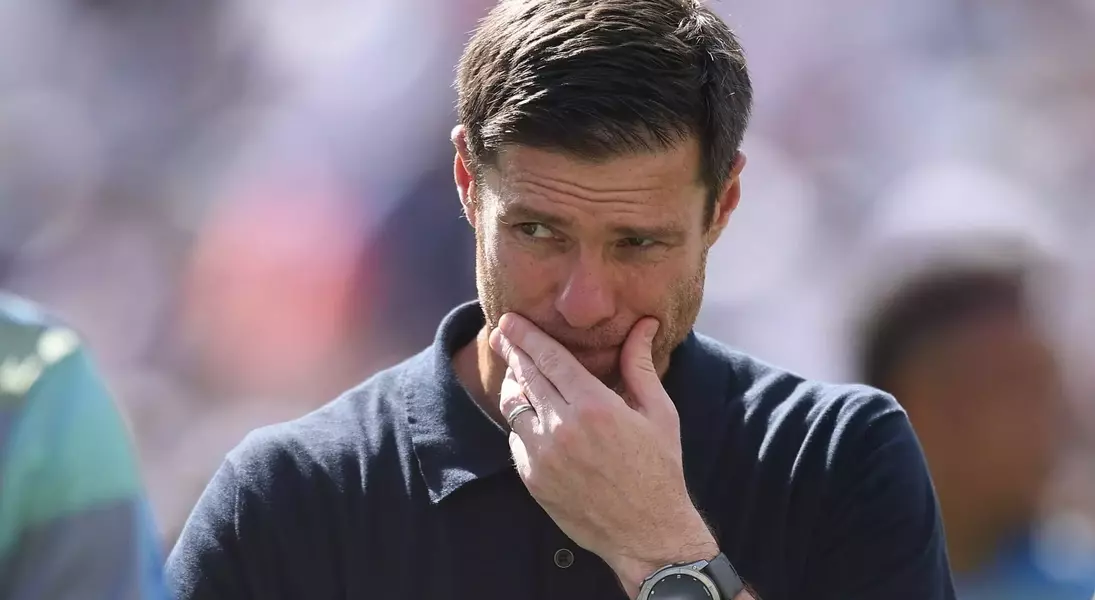
Real Madrid is poised for a significant refresh under new head coach Xabi Alonso, who replaces Carlo Ancelotti. The club's internal expectations are exceptionally high, reflecting immense confidence in Alonso's vision and leadership. His influence extended to player recruitment even before his official appointment, signaling a shift towards empowering the coach more than in previous regimes. Following a disappointing season without major silverware, the primary objectives for the upcoming campaign are to secure both the La Liga title and their beloved Champions League trophy, a competition where they hold a record 15 victories.
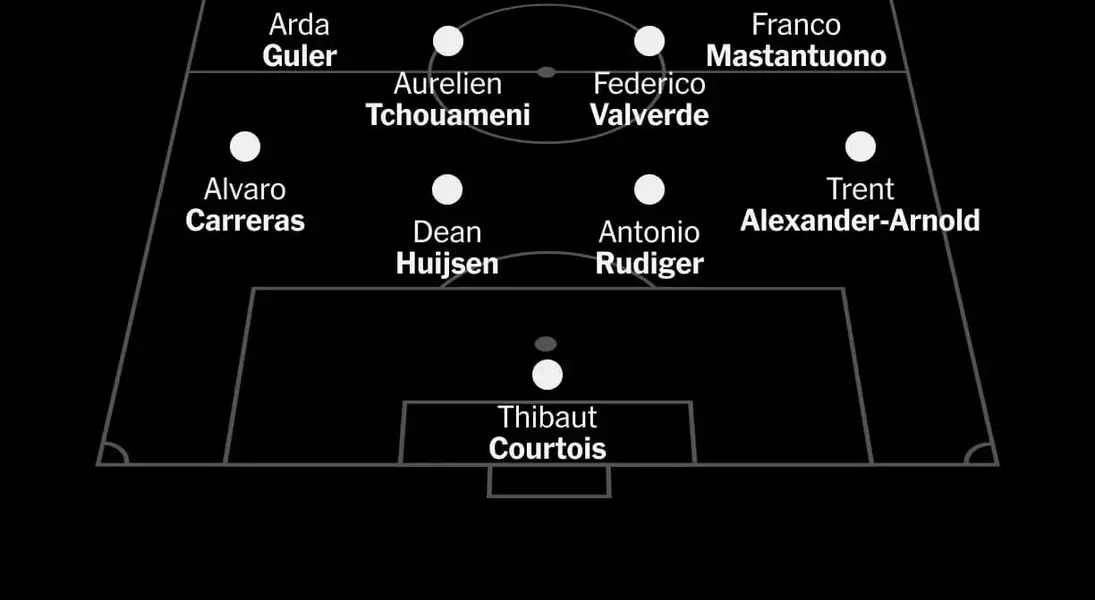
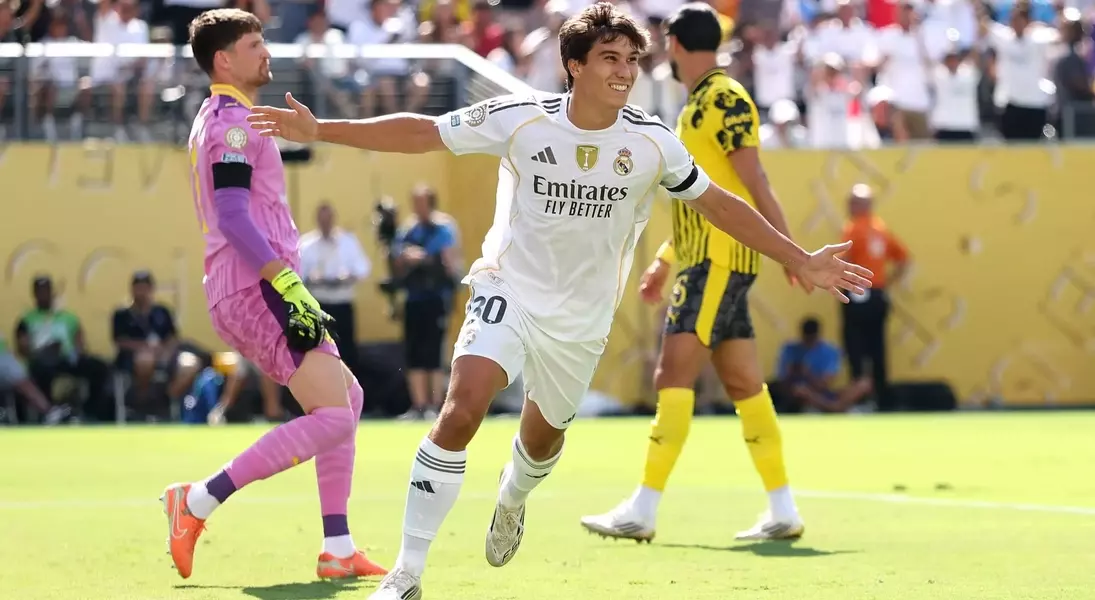
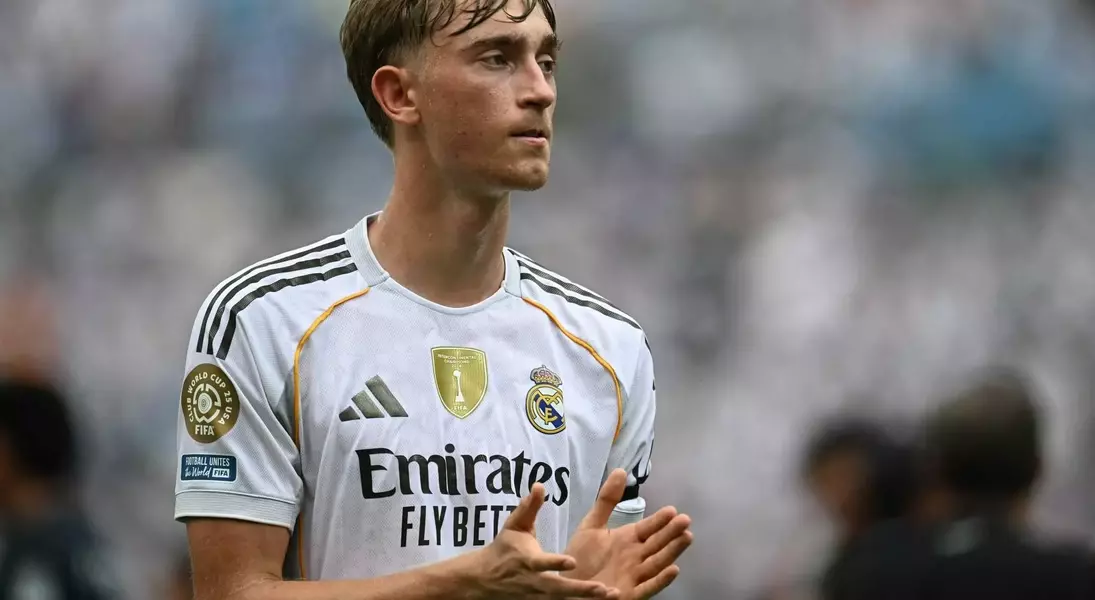
This summer has seen a notable departure from Real Madrid's recent transfer market restraint. The club has made a substantial financial commitment, spending over €180 million on four key acquisitions. These include Trent Alexander-Arnold, Dean Huijsen, Alvaro Carreras, and Franco Mastantuono. Significantly, three of these new arrivals are aged 22 or younger, reinforcing Real Madrid's ongoing strategy of nurturing young, high-potential talent, a successful approach previously demonstrated with the acquisitions of Jude Bellingham and Eduardo Camavinga.
New Faces, New Challenges: Squad Dynamics and Defensive Focus
Beyond new player signings, Real Madrid has experienced a broader "change of cycle." Alongside Ancelotti's departure, long-serving stalwarts Luka Modric and Lucas Vazquez have also moved on, taking a combined 51 winners' medals with them. Alonso has brought in an entirely new coaching team, and even at the academy level, legendary striker Raul has been replaced by Alvaro Arbeloa as head coach of Castilla, the club's B team. This widespread overhaul indicates a deliberate move towards a fresh approach across all levels of the organization, focusing on medium to long-term objectives.
While excitement surrounds the new attacking philosophy Alonso aims to instill—one that prioritizes emotion, energy, and tactical flexibility—concerns persist regarding the team's defensive solidity. Last season, Madrid conceded an alarming 84 goals, a significant increase from the previous campaign. Although new defensive additions like Huijsen, Alexander-Arnold, and Carreras are expected to bolster the backline, a 4-0 pre-season defeat against Paris Saint-Germain served as a stark reminder of the challenges ahead. The success of Alonso's high-pressing system will heavily depend on the commitment of star forwards like Vinicius Junior and Kylian Mbappe, whose ability to adapt to increased defensive responsibilities will be vital in addressing the team's previous defensive frailties.
