
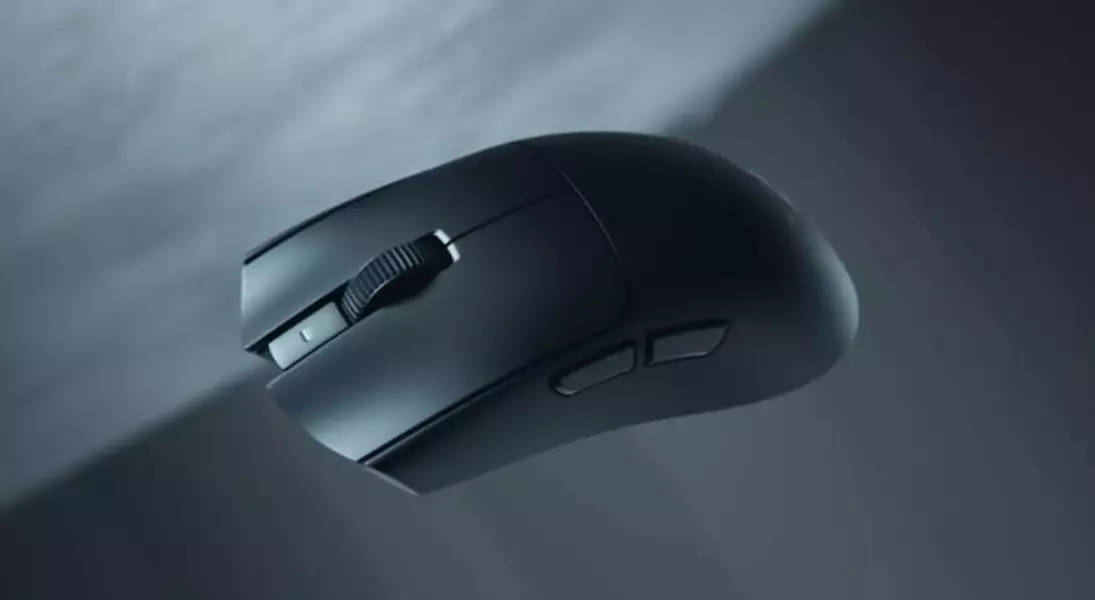
Razer's web-based peripheral management software, Synapse Web, has officially transitioned out of its beta phase. This development promises a more streamlined and accessible way for users to configure their gaming devices, moving away from the often resource-heavy desktop application. The timing of this release is particularly opportune, aligning with the introduction of the new Viper V4 Pro, Razer's latest high-performance gaming mouse.
Razer's New Web-Based Synapse: A Game Changer for Peripheral Management
For a considerable period, Razer's Synapse desktop software has been noted for its robust feature set, albeit often at the cost of system resources. Users frequently reported it consuming a significant amount of RAM, making it a somewhat cumbersome application to run in the background. The recent launch of Synapse Web aims to address these concerns by providing a browser-based alternative that maintains core functionalities while reducing the local system footprint. Initially introduced in beta a few months ago, the web software encountered some compatibility issues with certain Razer keyboards. However, the company assures that these early-stage 'kinks' have been ironed out, and the platform is now ready for a broader audience. While the current roster of supported devices is somewhat limited, Razer has committed to a progressive expansion, eventually encompassing a wide array of its gaming mice and keyboards. The ambition is for Synapse Web to achieve full feature parity with its desktop counterpart, including advanced settings like sensor rotation for compatible mice, a feature not universally offered by competitors. This move positions Razer alongside other peripheral manufacturers like Corsair, who also offer web-based configuration tools, indicating a growing industry trend towards more flexible and accessible user interfaces for managing gaming hardware. This evolution offers consumers greater choice in how they manage their peripherals, potentially fostering a more competitive and innovative market for gaming accessories.
This shift to a web-based platform represents a significant step forward in user convenience and system efficiency within the gaming peripheral market. It highlights a commitment to adaptability and user-centric design, moving towards solutions that are not only powerful but also less intrusive on system performance. As the platform matures and expands its device compatibility, it will be interesting to observe how this influences the broader landscape of gaming peripheral software.
