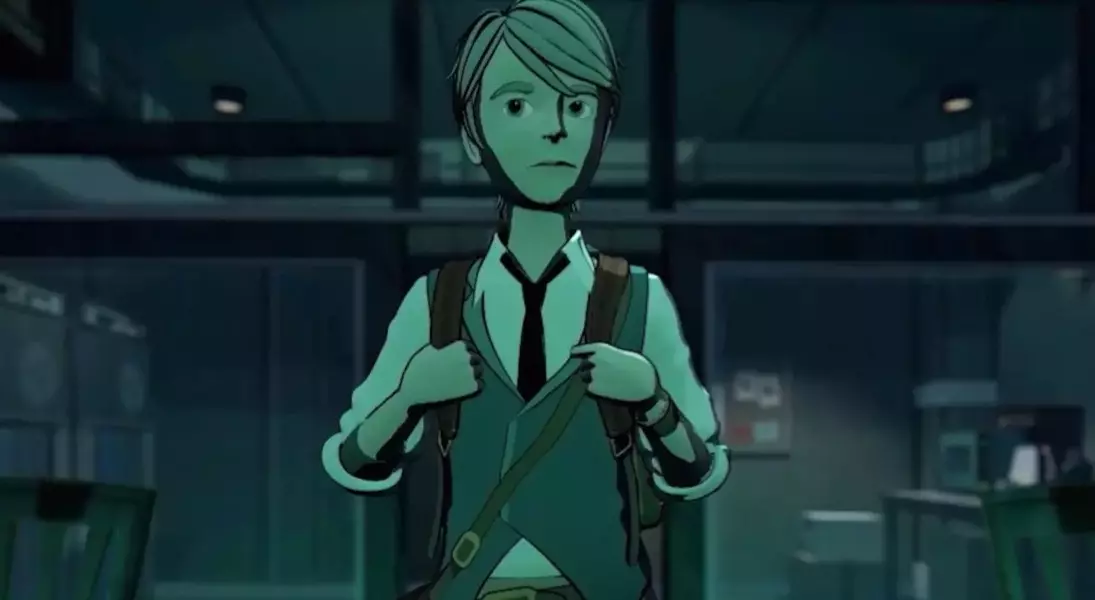
Amidst a growing debate and increasing scrutiny over the integration of generative artificial intelligence in the video game industry, Raw Fury, the publisher of the critically acclaimed game 'Blue Prince', has released a definitive statement. The company asserts that 'Blue Prince' is entirely the product of human effort, denying any involvement of AI in its development.
The year 2025 has seen significant controversy regarding generative AI in game creation. Notably, 'Clair Obscur: Expedition 33', a recipient of multiple awards, faced disqualification from the Indie Game Awards due to its use of generative AI. Furthermore, Larian Studios' acknowledgment of employing AI for exploratory purposes has intensified discussions across various social media platforms.
These incidents inadvertently cast a shadow on 'Blue Prince', which had garnered significant accolades, including the Indie Game Award's Game of the Year and PC Gamer's Best Design Award for 2025. This concern was fueled by an article from The Escapist, which initially suggested that generative AI was not only used in the game's development but also remained present in its final version. However, the article has since been revised to reflect accurate information.
Raw Fury quickly moved to clarify the situation, unequivocally defending developer Dogubomb. In an official post on X (formerly Twitter), Raw Fury stated, "For people that need confirmation: There is no AI used in Blue Prince." The publisher highlighted that the game was meticulously crafted through eight years of dedicated work by Tonda Ros and his team, driven purely by human imagination and creative spirit. This strong stance underscores the publisher's pride in the team's achievement.
This situation underscores a peculiar contemporary challenge where creators are compelled to explicitly confirm the human origin of their work. While Dogubomb itself has remained silent on social media, it publicly endorsed Raw Fury's statement by reposting it. As the industry advances into 2026, the discussion surrounding generative AI in games is expected to intensify, challenging traditional creative boundaries and prompting a reevaluation of what constitutes authentic artistic endeavor.
As the conversation around AI's influence in creative sectors continues to evolve, the distinction between human-led and AI-assisted creation is becoming increasingly important. Raw Fury's emphatic declaration serves as a benchmark, emphasizing the value of human ingenuity and labor in game development and setting a clear precedent for what the company believes defines authentic gaming experiences.
