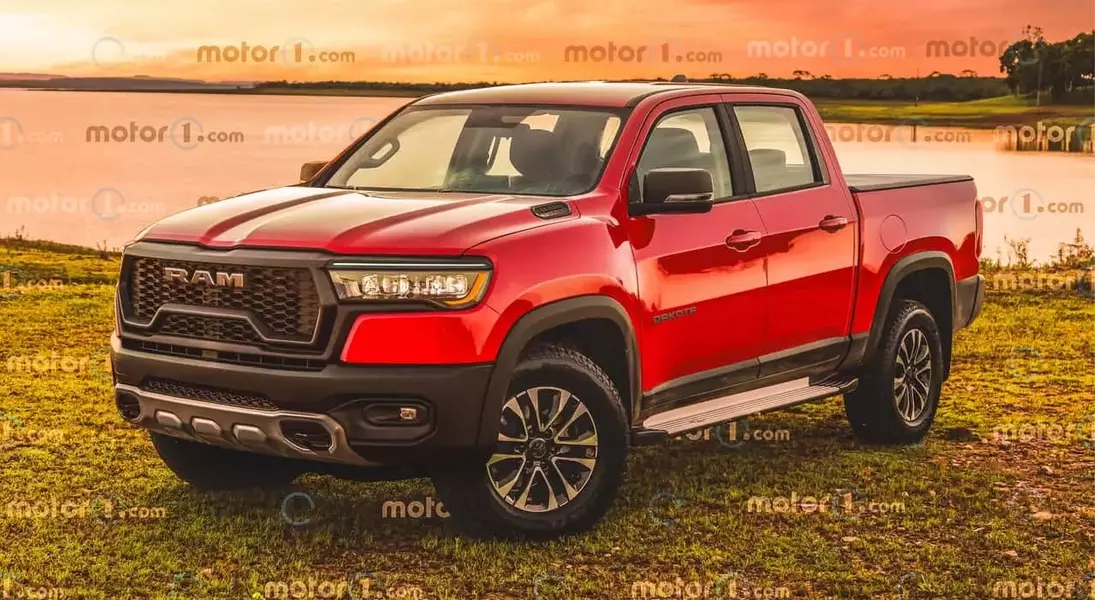
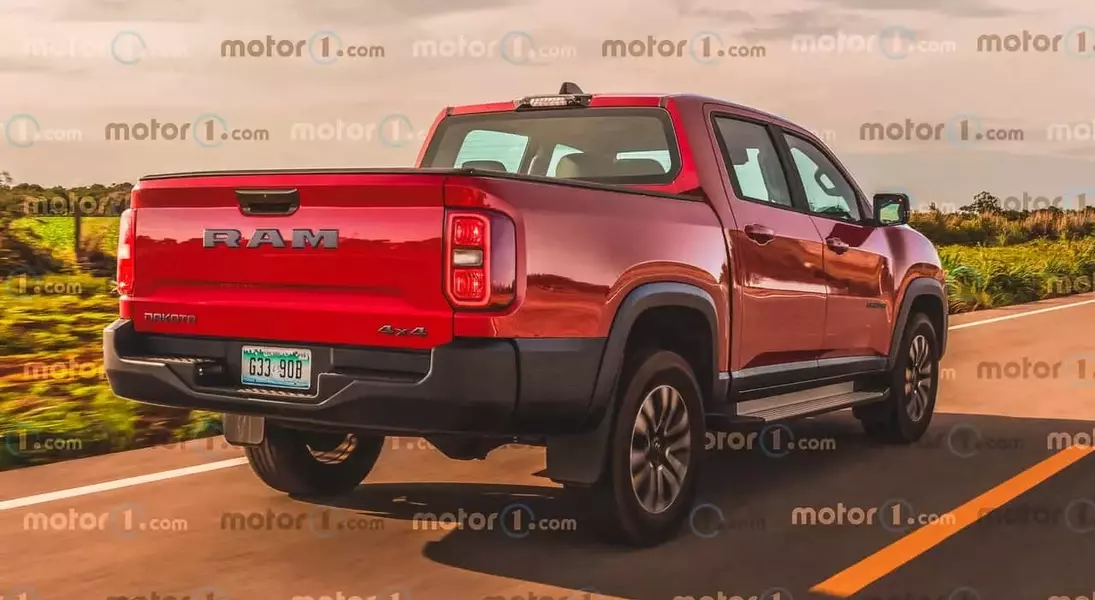
Ram is making a significant comeback to the mid-size truck market, resurrecting the well-known "Dakota" nameplate for its newest offering. After a hiatus of over ten years, the brand is poised to introduce a compact pickup designed to challenge established competitors like the Toyota Tacoma, Ford Ranger, and Chevrolet Colorado. This strategic move aims to cater to consumer demand for smaller, more economical truck options, complementing the larger Ram 1500. The revived Dakota is slated to begin production in 2027, with its official launch as a 2028 model year vehicle. The company has confirmed its commitment to developing a truck specifically tailored for the American market, rather than simply adapting an existing international model.
The return of the Dakota name, a decision CEO Tim Kuniskis described as a "no-brainer," signifies Ram's intention to leverage the historical recognition and brand loyalty associated with the original Dodge Dakota. While specific details regarding powertrains remain under wraps, expectations point towards a range of four- and six-cylinder gasoline engines, with a strong possibility of hybrid or mild-hybrid variants to enhance efficiency and performance. With an estimated starting price of approximately $40,000, the new Dakota is positioned to be a competitive contender in the fiercely contested mid-size truck segment, offering a compelling blend of capability, affordability, and a storied heritage.
Ram's Strategic Re-entry into the Mid-Size Truck Segment
Ram is making a calculated return to the mid-size truck sector, a segment it exited over a decade ago. The new model, officially confirmed to bear the iconic Dakota name, aims to carve out a significant share of the market by offering a smaller, more affordable alternative to its full-size counterpart, the Ram 1500. This strategic re-entry positions the Dakota to go head-to-head with well-established rivals, emphasizing Ram's commitment to diversifying its truck lineup and meeting evolving consumer preferences. The decision to revive the Dakota nameplate is a clear nod to its rich history and recognition among truck enthusiasts.
The announcement of the new Ram Dakota marks a pivotal moment for the brand, signaling its renewed focus on the mid-size truck category. CEO Tim Kuniskis underscored the logical choice of the Dakota name, highlighting its inherent familiarity and appeal. Unlike some global market strategies, Ram has explicitly designed this truck for the unique demands and expectations of the U.S. market. While concrete specifications regarding engine choices and horsepower figures are yet to be released, industry speculation suggests the inclusion of efficient four-cylinder and robust six-cylinder gasoline engines. Furthermore, the integration of hybrid or mild-hybrid technology is a distinct possibility, aligning with contemporary trends toward more sustainable and fuel-efficient vehicles. Projected to start around $40,000, the Dakota will be strategically priced to challenge competitors in terms of both value and features. The anticipation builds for its production start in 2027 and its subsequent arrival as a 2028 model, promising a fresh and competitive option for mid-size truck buyers.
The Rebirth of an Icon: Key Features and Market Positioning of the New Ram Dakota
The reintroduction of the Ram Dakota nameplate is a significant development in the automotive industry, heralding Ram's return to the lucrative mid-size pickup truck market. This revival is not merely a nostalgic gesture but a strategic business decision aimed at capturing a segment that has seen considerable growth and competition. The new Dakota will be positioned as a versatile and accessible option for consumers seeking a truck that is more maneuverable and fuel-efficient than a full-size model, yet still capable of handling demanding tasks. Its design and engineering are being specifically tailored to the preferences of American truck buyers, distinguishing it from international counterparts and ensuring it resonates with its target audience.
Scheduled for production in 2027 and expected to debut as a 2028 model, the Ram Dakota faces stiff competition from entrenched players like the Toyota Tacoma, Ford Ranger, and Chevrolet Colorado. To succeed, it will need to offer a compelling package of features, performance, and value. While precise details about engine options are still emerging, the likelihood of both four-cylinder and six-cylinder gasoline engines provides a range of power and efficiency choices. The potential inclusion of hybrid powertrain technology reflects a forward-looking approach, aiming to attract environmentally conscious buyers and those seeking lower operating costs. With an estimated starting price point of approximately $40,000, the Dakota is set to be competitively priced, offering a strong value proposition in its segment. Ram's commitment to the Dakota's resurrection underscores its belief in the nameplate's enduring appeal and its strategy to expand its market presence by addressing the diverse needs of truck owners with a modern, capable, and historically significant vehicle.
