


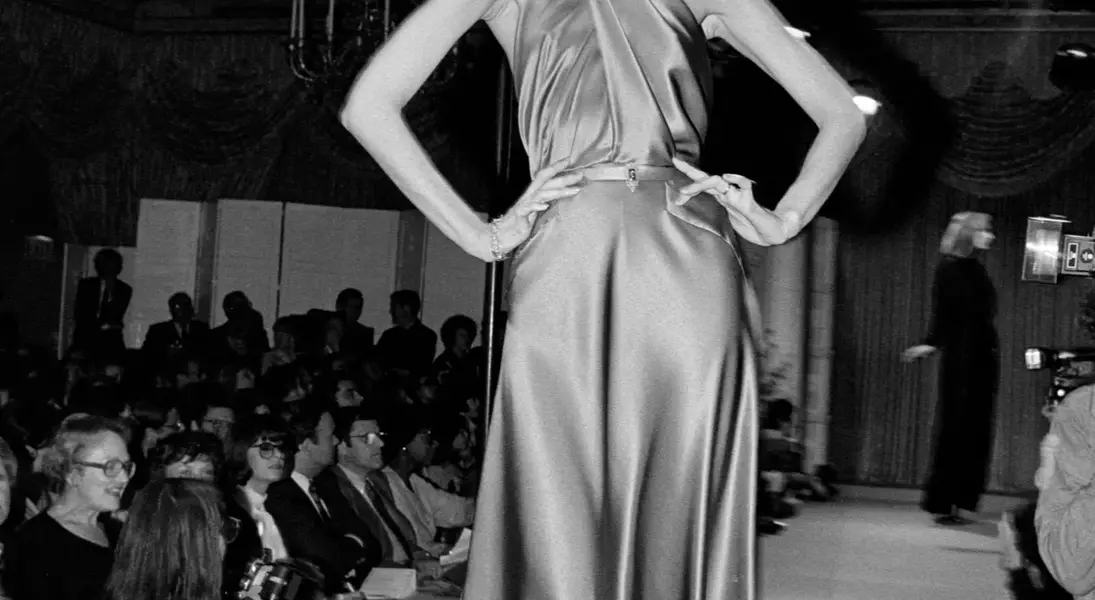





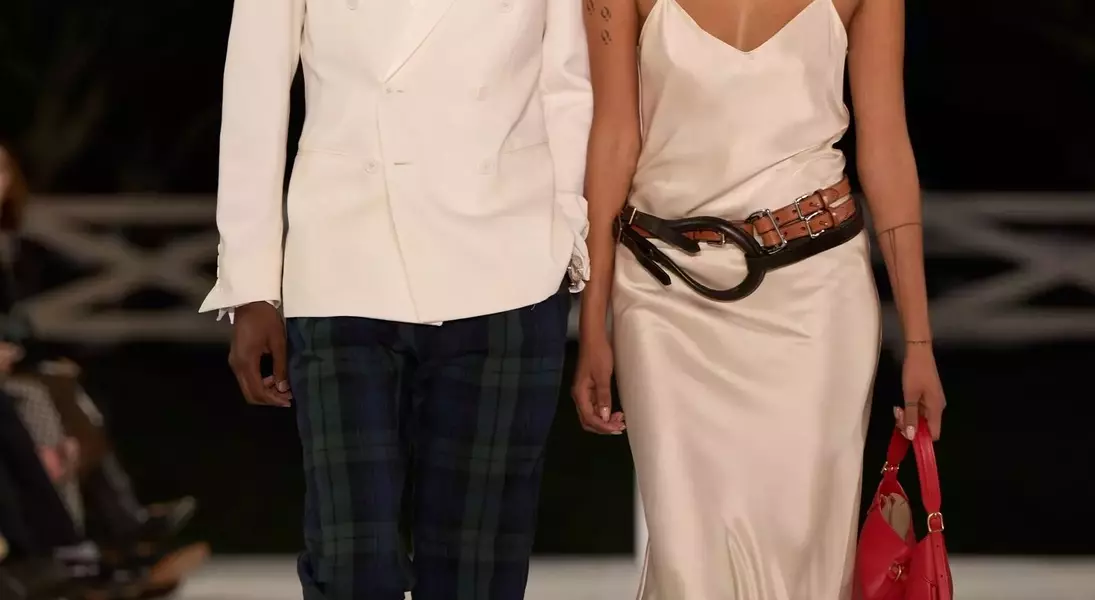
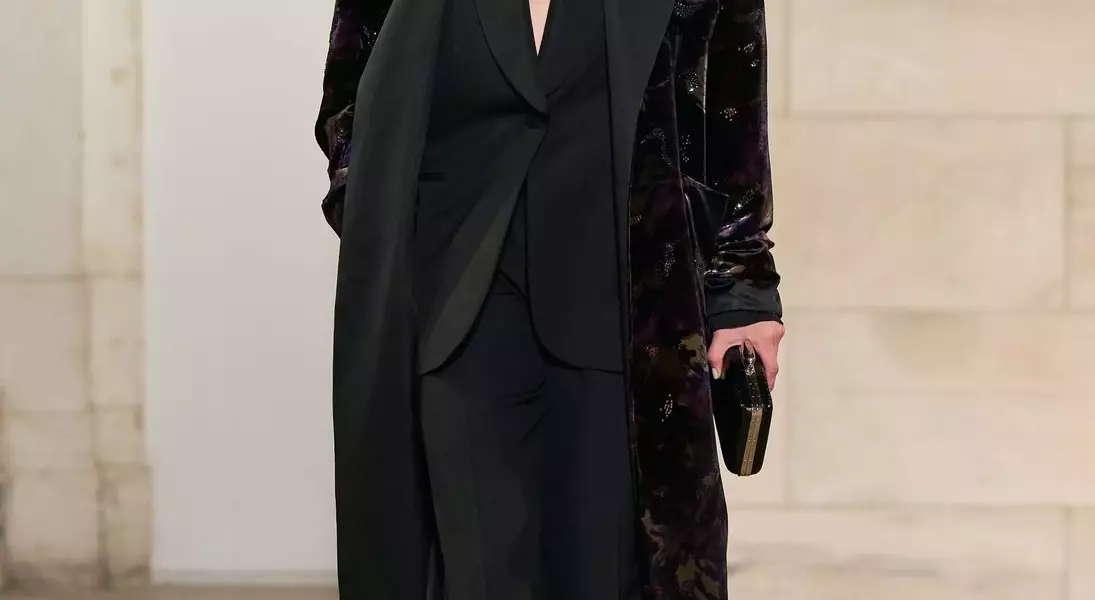

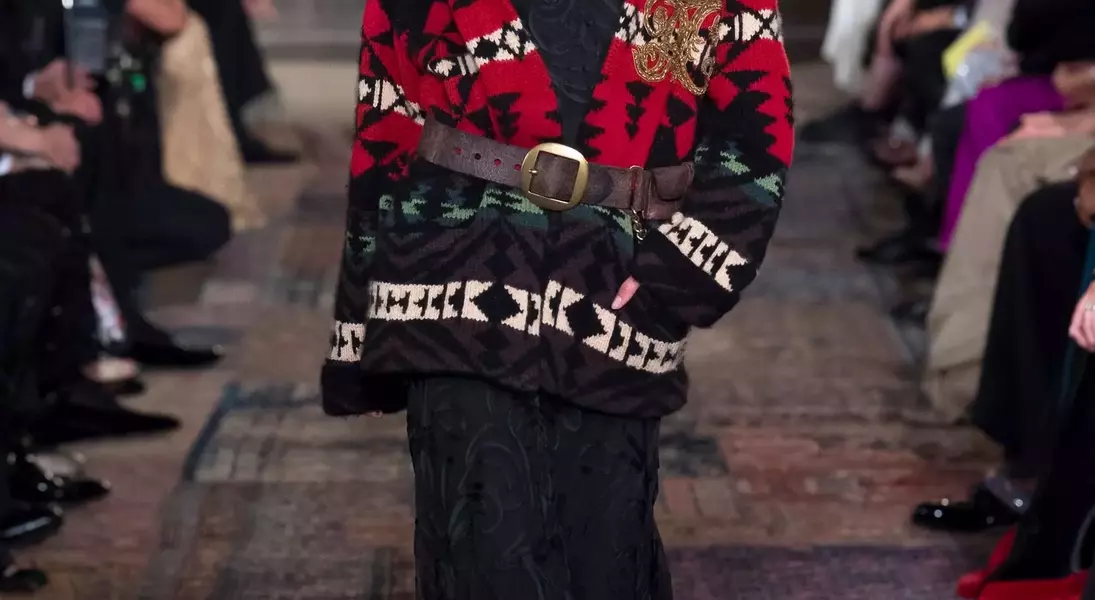
Ralph Lauren's journey in the fashion world, chronicled in Bridget Foley's insightful book "Catwalk," reveals a designer whose consistent vision has profoundly shaped global style. Foley's analysis emphasizes Lauren's unparalleled success, not just in American fashion but worldwide, positioning him alongside revered figures like Rei Kawakubo and Yohji Yamamoto. His approach, characterized by a deep commitment to authenticity, timelessness, and a unique form of "anti-fashion," distinguishes him in an industry often driven by fleeting trends. Lauren's ability to create an immersive world through his designs, rather than just clothes, underscores his genius and explains his enduring appeal, particularly in an era that increasingly values genuine connections and sustainable practices.
The discussion also highlights how Lauren's brand, while deeply rooted in American aesthetics and cinematic influences, has transcended national boundaries to impact global sensibilities. His early embrace of longevity in design, a precursor to modern sustainability, and his innovative concept of lifestyle branding illustrate a forward-thinking mindset that has allowed his company to adapt and thrive through decades of cultural shifts. Despite his immense influence, Lauren has maintained a perception of being an "outsider," a trait that paradoxically reinforces the authenticity and personal nature of his creative endeavors, inviting consumers to integrate his vision into their own identities.
The Authentic Vision of Ralph Lauren
Bridget Foley's examination of Ralph Lauren's career in her book, "Catwalk," reveals a designer whose unique philosophy has solidified his status as an icon. The core of Lauren's lasting success lies in his unwavering commitment to authenticity and timelessness. In a world saturated with fleeting trends and a constant demand for novelty, Lauren has consistently offered designs that resonate with a deeper sense of self and aspiration. His belief in creating garments that improve with age, rather than being discarded, was a revolutionary concept decades before sustainability became a mainstream concern. This foresight, combined with his dedication to a consistent aesthetic, has cultivated a brand identity that consumers perceive as genuine and trustworthy, fostering a strong emotional connection that transcends mere fashion.
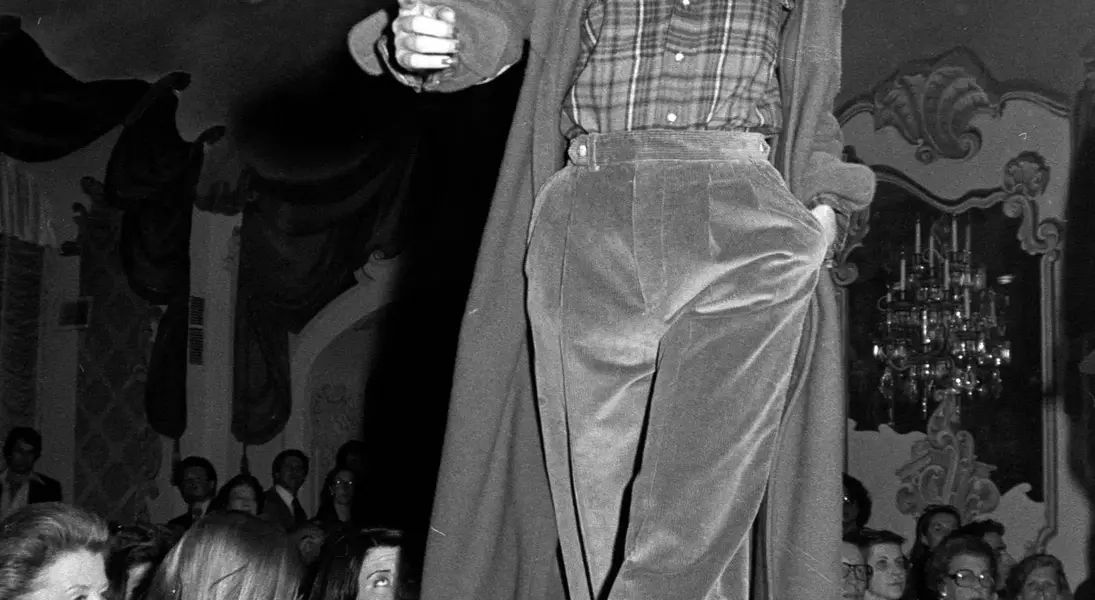
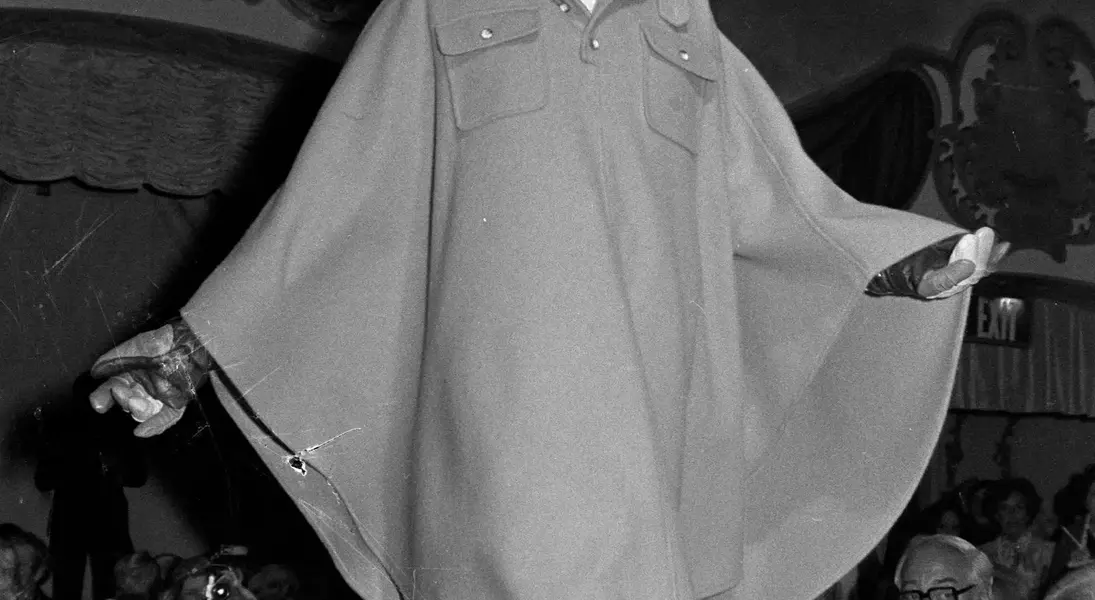
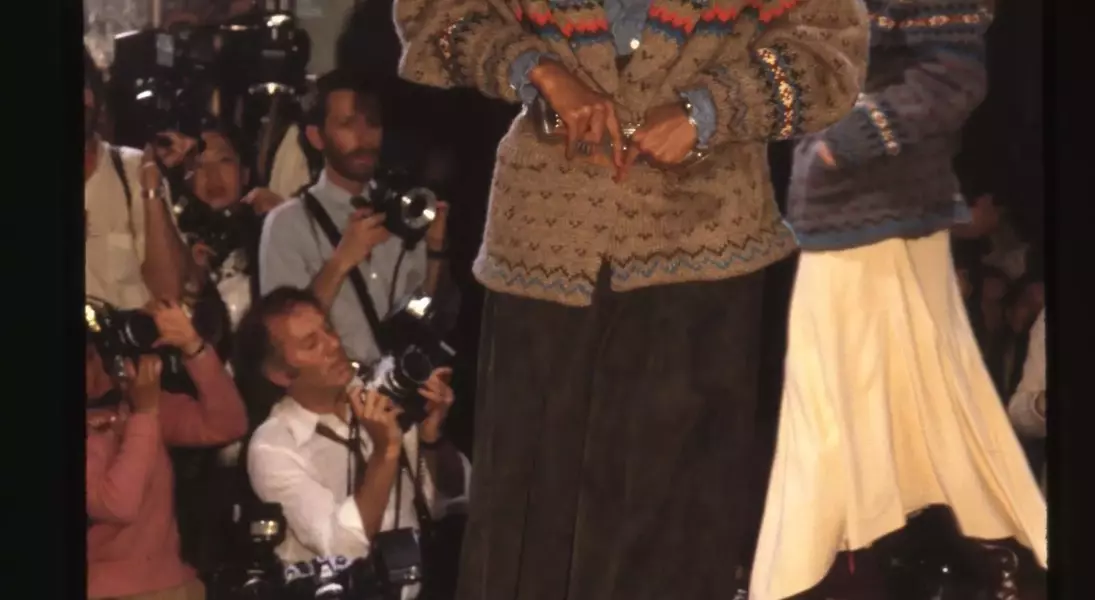
Foley emphasizes that Lauren's approach isn't merely about selling clothes; it's about building a narrative, a lifestyle, and a sense of enduring quality. This is evident in his long-standing creative leadership, a rarity among major fashion houses today. Unlike brands that see their aesthetic direction fluctuate with successive creative directors, Ralph Lauren maintains a singular, cohesive vision that stems directly from its founder. This stability and integrity have not only contributed to his immense commercial success but also earned him the respect of peers and a loyal global following. His designs, whether inspired by classic American motifs or broader cultural influences, consistently offer a polished yet comfortable elegance that speaks to a desire for enduring style over transient fads. It is this authentic, unwavering vision that allows Ralph Lauren to continuously captivate new generations, including a notable appeal among Gen Z, who are increasingly drawn to brands with genuine values and a clear identity.
From Cinematic Inspiration to Global Lifestyle
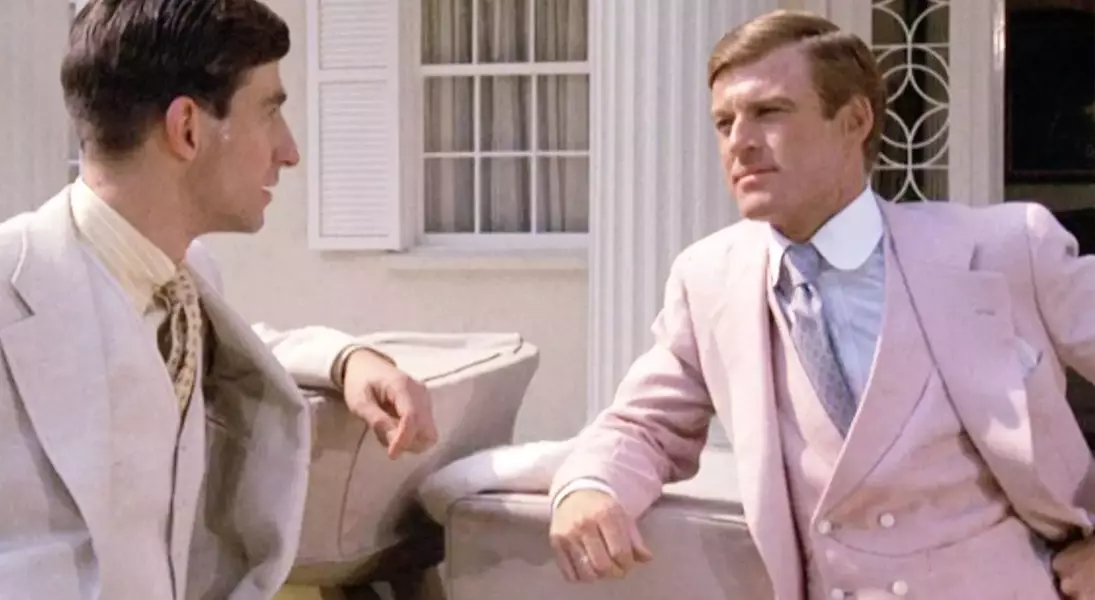
Ralph Lauren's design philosophy is deeply intertwined with cinematic narratives and a pioneering spirit in lifestyle branding. Growing up in the Bronx, films served as a powerful window to the world, shaping his understanding of how clothing could express identity and aspirations. This early fascination translated into designs that tell stories, evoke specific moods, and offer wearers a means to embody different roles or facets of their personality. While deeply American in its roots, drawing inspiration from Hollywood's golden age and classic American archetypes, Lauren's vision has successfully transcended geographical boundaries. His influence can be seen in the global adoption of a sportswear mentality and casual elegance, transforming the way people dress worldwide.
Furthermore, Lauren is widely credited with inventing the concept of lifestyle branding. His expansion from menswear into women's apparel, children's wear, and home furnishings wasn't merely a business strategy; it was an organic extension of his holistic worldview. He envisioned a complete world, a cohesive aesthetic that encompassed every aspect of life, believing that all products, regardless of price, hold equal value in fulfilling their purpose. This approach, where lifestyle isn't a marketing gimmick but a deeply held belief system, allowed him to create an aspirational universe that consumers could buy into. Despite his immense achievements, Lauren has often expressed feeling like an "outsider," a sentiment that paradoxically fuels his creative drive and fosters a direct, authentic connection with his clientele. This blend of cinematic inspiration, pioneering lifestyle design, and a personal touch has cemented Ralph Lauren's legacy as a visionary whose impact extends far beyond the runway, shaping how we perceive and experience fashion and living.
