The film "The Mandalorian and Grogu" attempts to translate the popular Disney+ series into a feature-length cinematic experience, prompting a re-evaluation of what constitutes a "Star Wars" movie. While the traditional elements like the Force, lightsabers, or the Skywalker legacy are no longer absolute prerequisites in the wake of "Andor," the franchise's identity is firmly rooted in expansive visual storytelling, profound thematic depth, and a compelling struggle between good and evil. The original 1977 "Star Wars" exemplified this by establishing itself as a mere chapter within an epic saga. However, this new installment diverges significantly from these foundational principles, presenting a narrative that, despite its grander visuals compared to the series, ultimately lacks the sweeping scope and critical consequences that define its cinematic predecessors. The ambition to create a big-screen event is evident, yet it paradoxically struggles to embody the spirit of a true "Star Wars" film beyond its brand association.
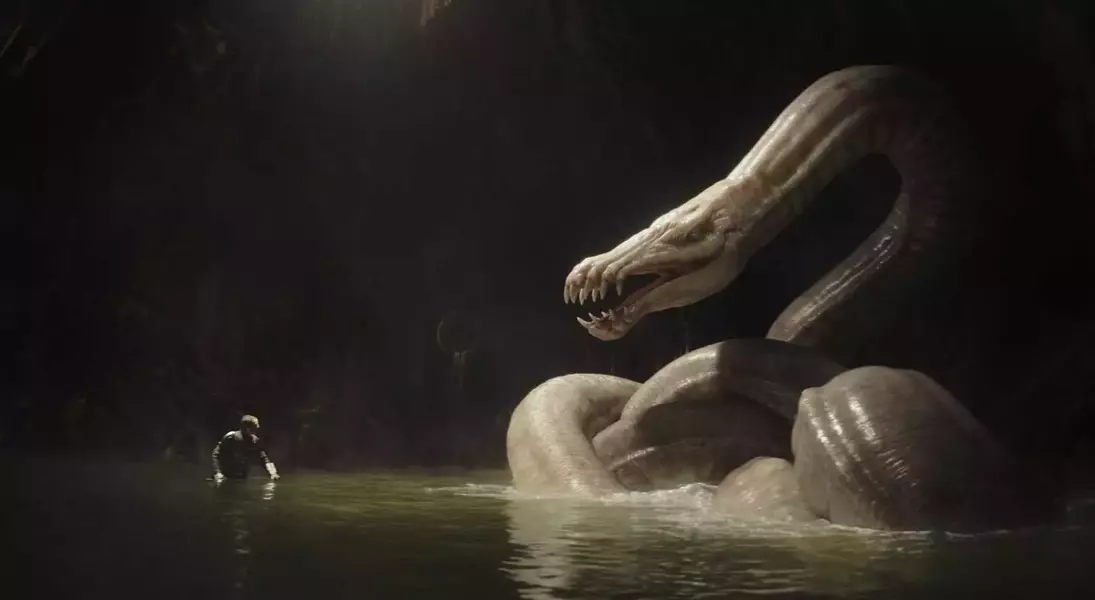
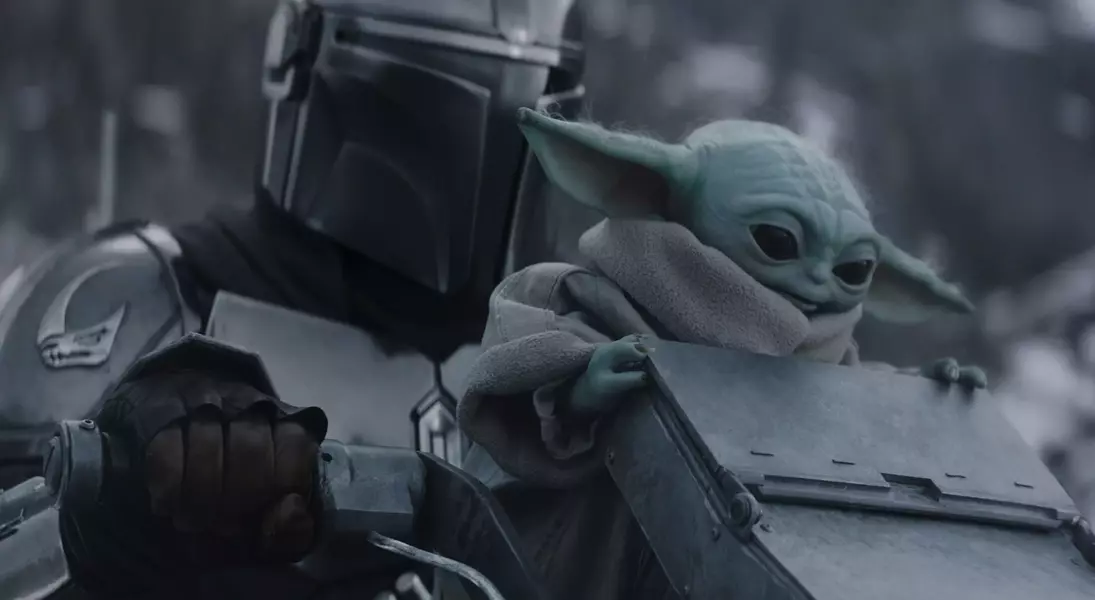
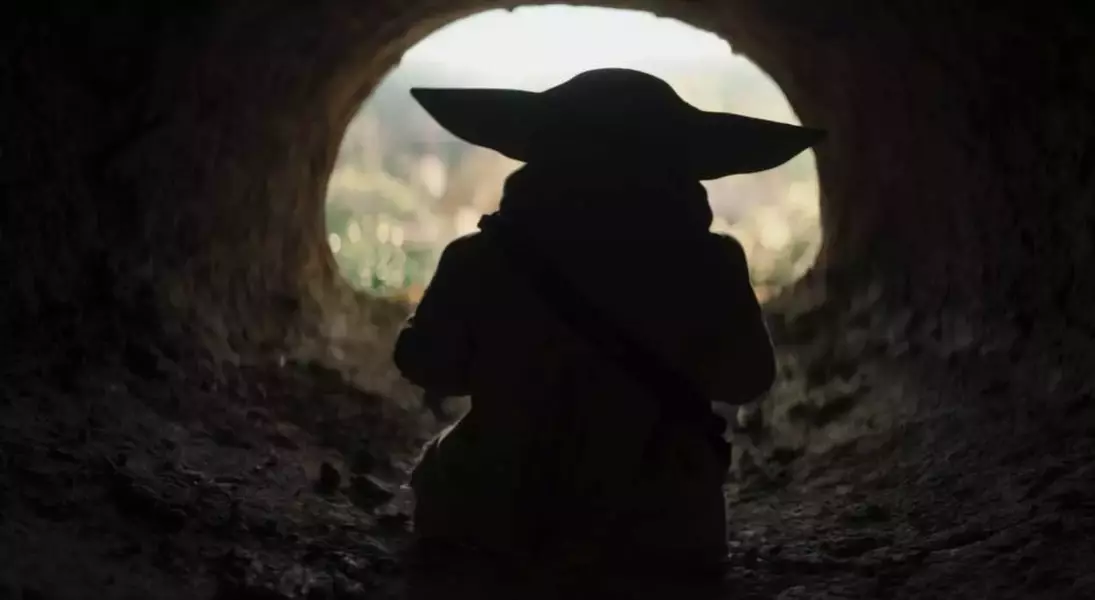
Set after the third season of "The Mandalorian" and the first season of "Ahsoka," the movie's plot unfurls with a static title card rather than the iconic scrolling text, introducing Din Djarin and Grogu as bounty hunters for the nascent New Republic, tasked with pursuing Imperial remnants. This premise, initially suggesting a sprawling adventure aligned with themes of destiny, remains surprisingly contained. The duo's journey leads them to diverse and visually engaging environments, including the cyberpunk-inspired planet Shakari, a refreshing addition to the Star Wars galaxy with its vibrant, crime-ridden aesthetic and a distinctive techno soundtrack by Ludwig Göransson. Another key location is a swampy, Dagobah-esque planet under Hutt control, which blends familiar Star Wars elements with novel designs. Despite these richly conceived settings, the narrative primarily serves as an extended episode of the series, with character arcs, especially for Din Djarin, showing minimal advancement. Grogu receives a slightly more prominent role, though his non-verbal nature leads to prolonged silent sequences that, while artistically bold, can test audience engagement.
While "The Mandalorian and Grogu" manages to feel like a cohesive film with its multi-act structure and a climactic resolution, its divergence from established Star Wars cinematic hallmarks raises questions about its broader relevance. The creature designs, featuring contributions from Lucasfilm veteran Phil Tippett, are often impressive, yet some action sequences devolve into a chaotic spectacle of CGI. Similarly, the early spaceship dogfights satisfy a niche craving, but later aerial combat leans heavily on visual effects, drawing comparisons to less favorably remembered sequences from the prequel trilogy. Ultimately, the film appears to be a strategic move to captivate a new, younger audience, leveraging Grogu's widespread appeal. Jon Favreau's understanding of this dynamic is clear, as the movie intertwines charming Grogu moments with subtle nods to older Star Wars lore, catering to a demographic less burdened by the franchise's intricate canon. This approach, while commendable for its ability to create a standalone movie, inadvertently diminishes its stature as a true "Star Wars Movie," suggesting that perhaps it was a project better left untackled within the cinematic universe.
This film embodies a broader conversation about evolving cinematic universes and the delicate balance between appealing to new audiences and honoring established legacies. While innovation is crucial for any franchise's longevity, it is equally important to maintain the core spirit and narrative depth that initially captivated generations of fans. "The Mandalorian and Grogu" serves as a reminder that even within expansive, beloved worlds, every creative endeavor must resonate with the foundational values that define its existence, pushing boundaries while remaining true to its essence.
