
This report delves into the unconventional experience of playing the 'Midnight Ramen Shop' demo, a game that initially promised a tranquil approach to culinary management. The author's journey through the simulated ramen world took an unexpected turn from diligently crafting perfect dishes to deliberately making errors, revealing a curious aspect of the game's design. This exploration uncovers how the game handles player mistakes and the unforeseen emotional responses it provoked, offering a distinctive insight into the realm of simulation gaming.
A Culinary Experiment: The Midnight Ramen Shop Unveiled
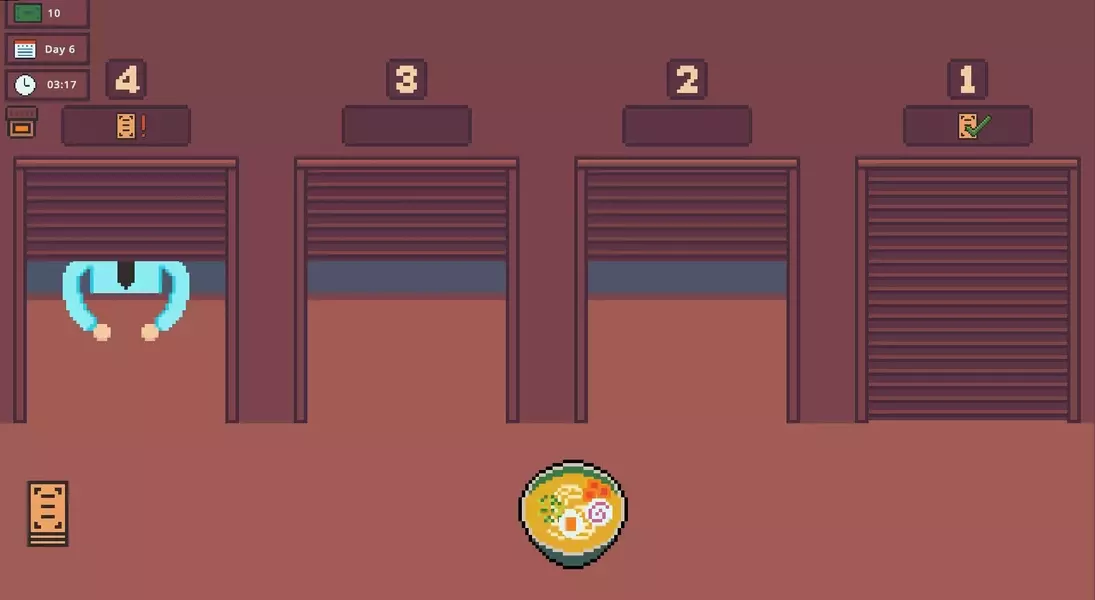
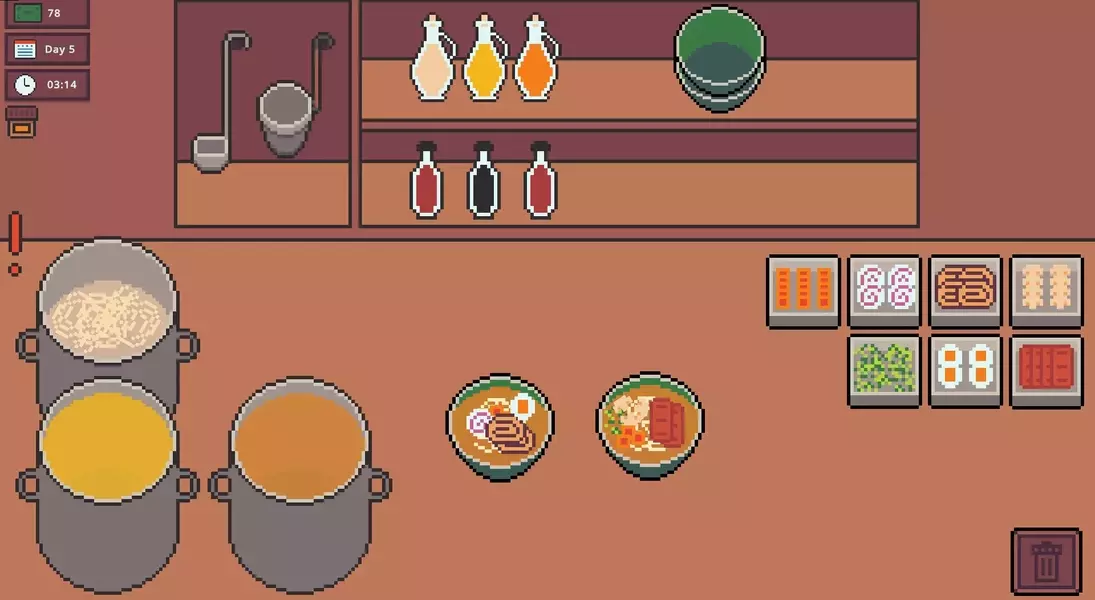
In a recent foray into the world of simulation gaming, a player embarked on a unique culinary adventure with the 'Midnight Ramen Shop' demo. The game, inspired by Japan's famous Ichiran ramen chain, offers a distinctive customer interaction model: patrons sit behind a shutter, customize their orders via a form, and receive their ramen without direct face-to-face contact. This system, designed to minimize stress, initially proved highly effective, allowing the player to swiftly master the methodical process of preparing broth, noodles, and toppings. The player effortlessly navigated the ramen station, using specific ladles and tools to assemble each bowl according to the ticket displayed in the top right corner of the screen. Within days, the player found a rhythmic flow, completing orders in under thirty seconds, much to the apparent satisfaction of the unseen clientele.
However, a curious anomaly emerged: the restaurant's foot traffic remained consistently low, and despite the game's upgrades (new ingredients, furniture to attract more customers or boost tips), no discernible change in customer volume or tipping behavior occurred. This led the player to a pivotal experiment: intentionally serving incorrect orders. To their astonishment, even a customer who received beef broth instead of chicken, or egg instead of tofu, still paid the full amount of $20. This prompted a series of deliberate culinary missteps, where the player abandoned checking order tickets altogether, haphazardly combining ingredients. The initial lack of negative repercussions—no angry customers, only smiley faces—was both surprising and, eventually, guilt-inducing. It wasn't until a customer paid a reduced sum of $13 for a completely butchered order that the player confronted the emotional weight of their virtual actions, pondering the silent disapproval of patrons hidden behind the shutters. This unconventional journey highlighted a surprising aspect of the game's design: a peculiar absence of immediate consequences for culinary incompetence, yet a subtle emotional impact on the player.
The experience of operating the 'Midnight Ramen Shop' demo offers a compelling insight into the nuanced relationship between game design and player psychology. While the game succeeds in providing a low-stress environment for those seeking a more relaxed restaurant simulation, its current iteration lacks a robust feedback mechanism for player performance. This absence of immediate, visible consequences for errors, while contributing to a 'cozy' atmosphere, can inadvertently lead to a sense of detachment or even a mischievous desire to 'break' the system, as demonstrated by the author's intentional culinary blunders. This suggests that even in casual simulations, a delicate balance must be struck between minimizing frustration and ensuring meaningful engagement. Future development could benefit from introducing more dynamic customer reactions or clearer progression indicators to reinforce the impact of player choices, thereby enriching the simulation experience and fostering a greater sense of responsibility without necessarily reintroducing high-stakes pressure. Ultimately, the 'Midnight Ramen Shop' presents an intriguing foundation, with potential to evolve into a truly immersive yet serene culinary adventure.
