
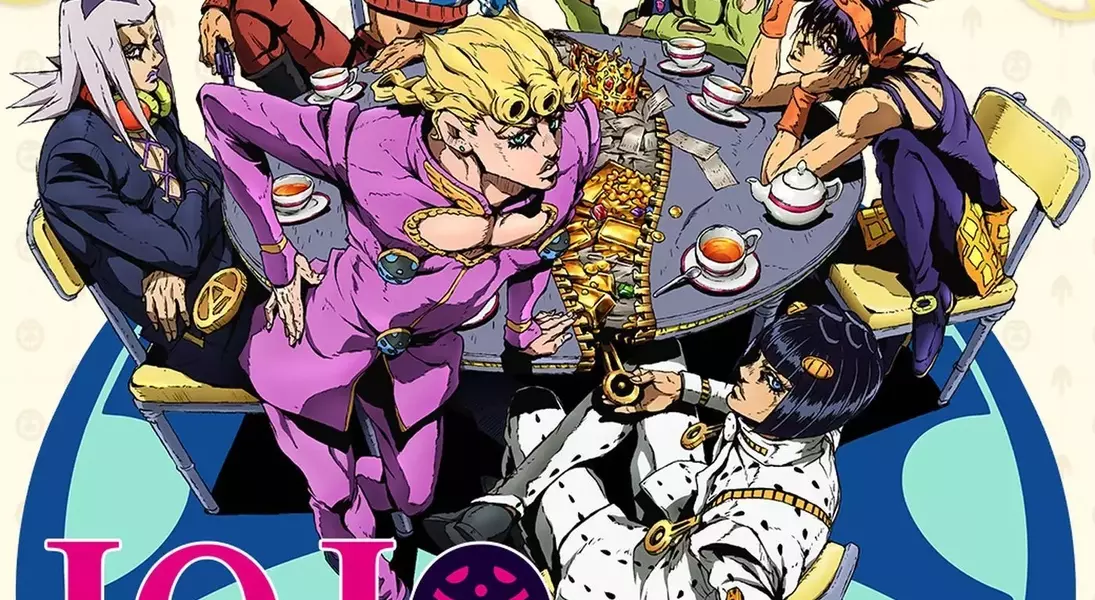
Anime localization has a long history of creative, and sometimes controversial, adaptations, from changing cigarettes into lollipops to transforming onigiri into jelly donuts in earlier Western releases. This trend saw a resurgence with Netflix's recent Italian dub of JoJo's Bizarre Adventure: Golden Wind, which has garnered significant attention on social media for its unique approach. Under the direction of Mosè Singh, the voice cast embraced an exceptionally "bizarre" interpretation, resulting in a dub that is both humorous and perplexing, stirring up varied reactions among viewers.
Set in Italy, a country that has always fascinated manga creator Hirohiko Araki, Golden Wind features protagonists from Naples. In an effort to enhance the dub's realism, the production team decided to integrate Neapolitan dialect into the dialogue, leading to some surprising and explicit linguistic choices not found in Araki's original work. Beyond dialect, the dub also introduces entirely new lines, Italian internet culture references, and a notable amount of profanity. This diverges from the original's subtlety, portraying the characters in a manner reminiscent of average Italian Gen-Z individuals, which has sparked a debate on fidelity versus creative freedom in adaptation.
Despite these significant alterations, the Italian dub has been largely embraced by fans, with digital creators widely sharing clips and comments overwhelmingly positive. This acceptance stems from the dub's undeniable humor, which surprisingly complements the lighthearted aspects of the JoJo series. While JoJo certainly has its dramatic and intense moments, it also never shies away from absurdity and meme-worthy content. However, the choice to use voice actors from outside Naples for Neapolitan-speaking roles, and the excessive use of swear words, has raised questions about authenticity and potentially reinforcing regional stereotypes. While creative liberties in dubbing can be entertaining, such as this unique Italian take on Golden Wind, it ultimately serves as an alternative to the original, prompting a re-evaluation of how much influence adaptations should exert over a viewer's perception of the source material.
Ultimately, the discussion around this distinctive Italian dub highlights the ongoing tension between preserving the integrity of an original work and allowing for artistic interpretation in translation. While the adaptation's comedic elements are appreciated, enriching the viewing experience for many, it simultaneously brings to light critical issues regarding cultural representation and linguistic accuracy. This innovative approach to localization, though entertaining, underscores the importance of thoughtful engagement with source material and cultural nuances.
