The unexpected surge in popularity of the Apple MacBook Neo, coupled with its innovative approach to utilizing existing chip technology, presents a compelling case study for the wider technology market. This success story sheds light on a significant, often overlooked, segment of consumers seeking accessible and value-driven devices. Examining this phenomenon can offer valuable insights for the gaming PC and console sectors, which often prioritize cutting-edge performance over affordability.
Unlocking Value: The Market's Call for Accessible Innovation
The MacBook Neo's Unforeseen Triumph: A Lesson in Market Demand
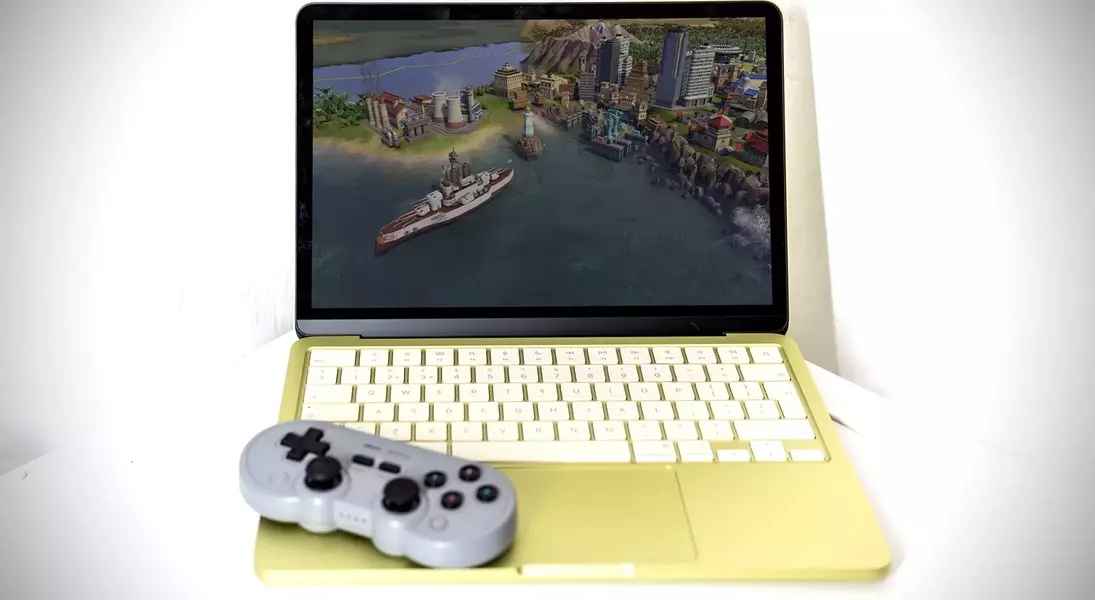
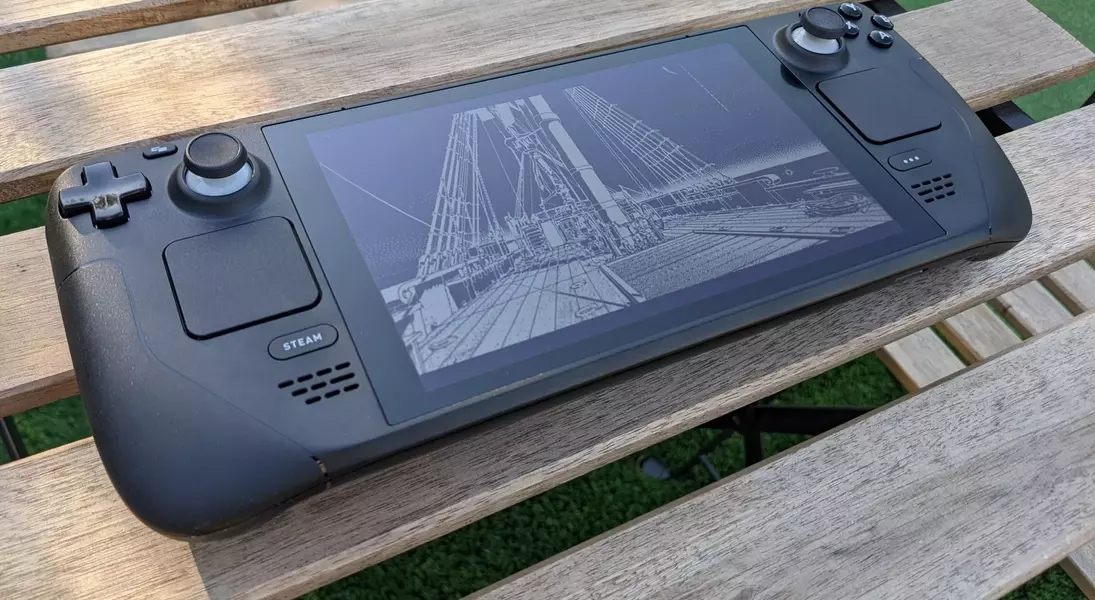
Apple's latest offering, the MacBook Neo, has achieved remarkable sales figures, reportedly nearing depletion of its A18 Pro chips. This impressive performance raises an intriguing question: why aren't there more straightforward, engaging, and cost-effective personal computing devices designed specifically for gaming, much like the popular Steam Deck?
The "Massive Dilemma" at Apple: Supply vs. Demand Dynamics
According to insights from Taipei-based tech journalist Tim Culpan, the MacBook Neo's sales have far exceeded Apple's initial projections, creating a substantial predicament for the tech giant. This unforeseen demand centers on the A18 Pro chip, a component originally destined for iPhones. Apple's strategy involved integrating these chips into the MacBook Neo, anticipating a more modest sales volume. However, the device's rapid sales trajectory indicates that the existing stock of A18 Pro chips will soon be exhausted, long before the scheduled release of an A19-powered successor.
Strategic Chip Utilization: The Economics of Production
This situation forces Apple into a critical decision: commission additional production of A18 Pro wafers from TSMC, despite the higher cost associated with new manufacturing runs, or risk unmet demand. Culpan highlights that the A18 Pro chips used in the Neo are often binned versions, originally slated for disposal due to having fewer active GPU cores (five instead of the full six). This made them a cost-effective, almost "free," resource for the initial production run, underscoring the delicate balance between supply chain management and unexpected market success.
Reconsidering Priorities: Performance vs. Accessibility in Gaming
The remarkable success of the MacBook Neo underscores a crucial point: even within a highly competitive technology landscape, products that prioritize a balanced blend of simplicity, appeal, and affordability can become significant market hits. This contrasts sharply with the gaming PC industry's often singular focus on maximum performance and specifications, potentially overlooking a broad audience that values accessible gaming experiences. The Steam Deck stands out as a prime example, demonstrating that a well-designed, budget-conscious PC gaming device can captivate consumers.
The Gaming Handheld Landscape: A Call for Diversification
The broader market for PC gaming handhelds has been somewhat underwhelming, frequently characterized by premium-priced models that inadvertently make even high-end gaming laptops appear more cost-effective. This trend suggests a missed opportunity to cater to a wider demographic, mirroring the Steam Deck's successful approach to offering a polished yet unpretentious gaming experience at a competitive price point.
Challenges in the Console Market: Shifting Paradigms
The console sector also appears to be navigating turbulent waters. Concerns about the future of platforms like Xbox, coupled with Sony's strategy of positioning the PlayStation further upmarket, indicate a potential disconnect with consumers seeking more affordable options. This dynamic highlights the need for more devices akin to a "Switch 2" – focusing on innovative, accessible gaming rather than a relentless pursuit of high-end hardware, which can alienate a significant portion of the market.
Innovation and Market Influence: Who Will Step Up?
The question then arises: which major player in the PC gaming industry will embrace this market gap? While companies like Nvidia possess the technical prowess to develop such devices, their recent strategies haven't demonstrated a strong commitment to making gaming more broadly accessible. Given the challenges lesser-known brands face in gaining traction, the responsibility may ultimately fall to established entities to deliver the next generation of simple, affordable gaming devices. Until then, consumers may find themselves waiting for future iterations of the Steam Deck or exploring how current market leaders, such as Valve, can further innovate in the accessible gaming space, especially in an era of rising component costs driven by advancements in AI technology.
