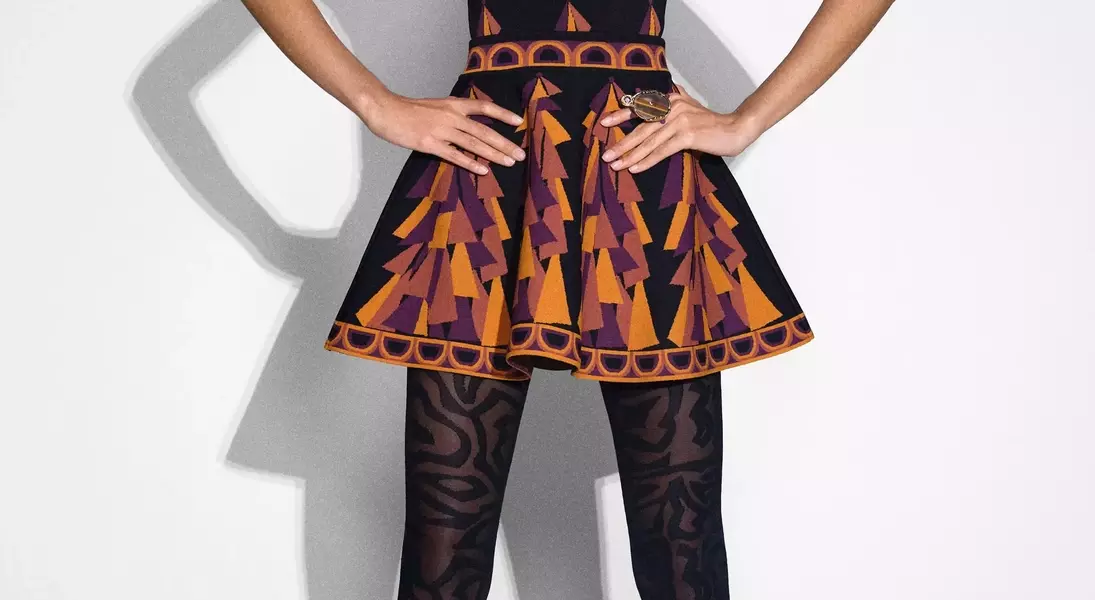
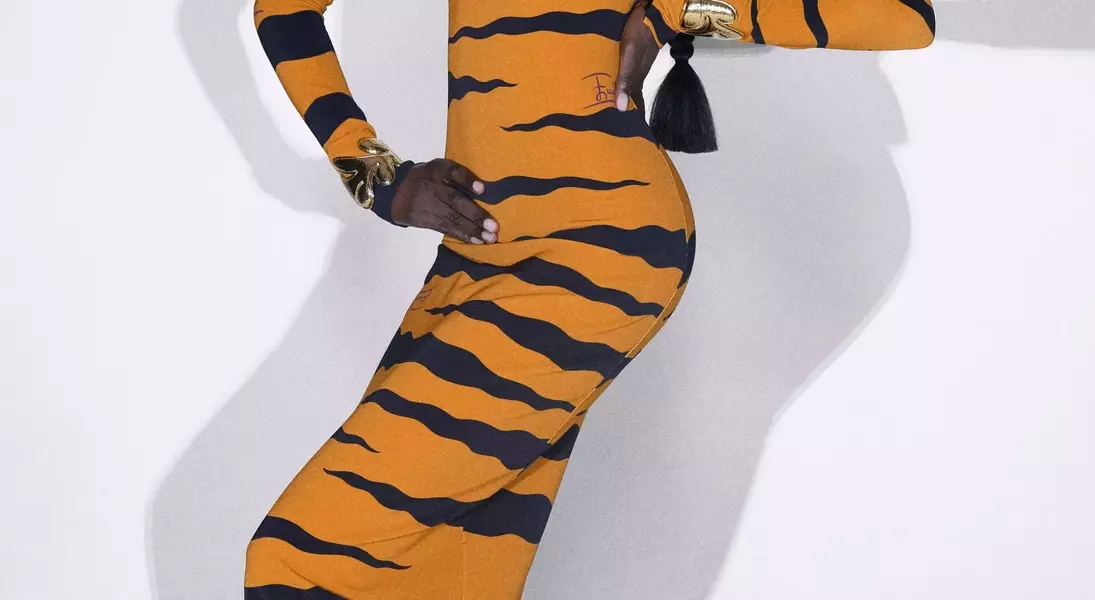
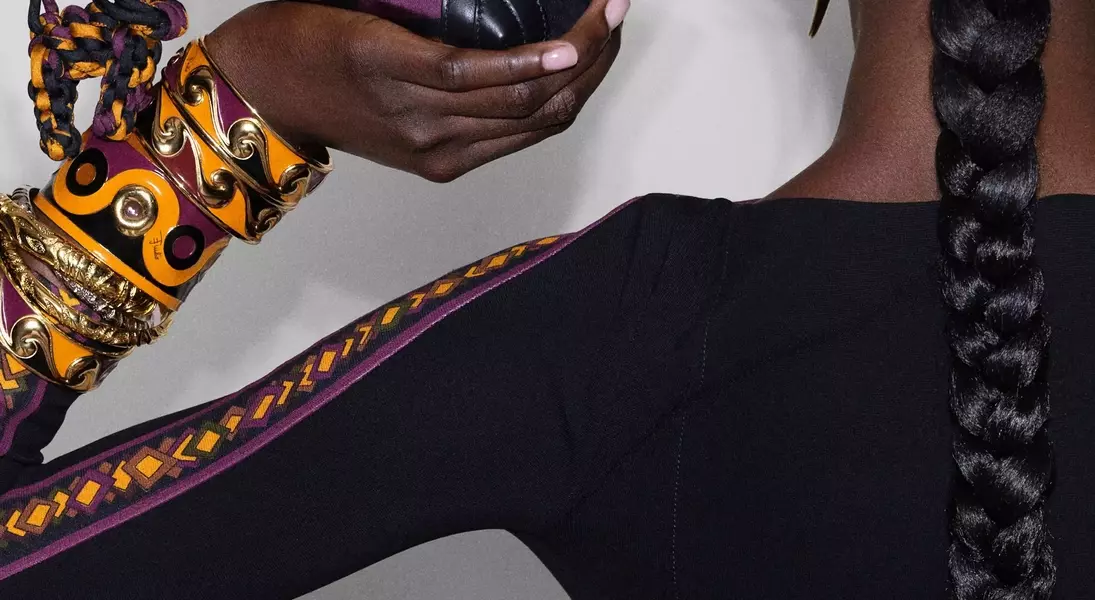
This season, Camille Miceli drew inspiration from the Palio di Siena, the storied bareback horse race held in the ancient square of the Italian city. Following several collections that celebrated Pucci's vibrant 1970s psychedelic aesthetic, it was time to explore another historical dimension of the Florentine house's rich heritage. The Palio, with its elaborate medieval ceremonies, distinctive Contrade symbols, horses, flags, and intense competition, proved to be an unexpectedly fitting match for Pucci. Miceli delved into the Siena Contrade archives and discovered that Emilio Pucci himself had previously drawn from its visual language. She reinterpreted the animal motifs and emblems of the Contrade into contemporary prints, jewelry, and designs, elevating their decorative quality into something fresh and modern.
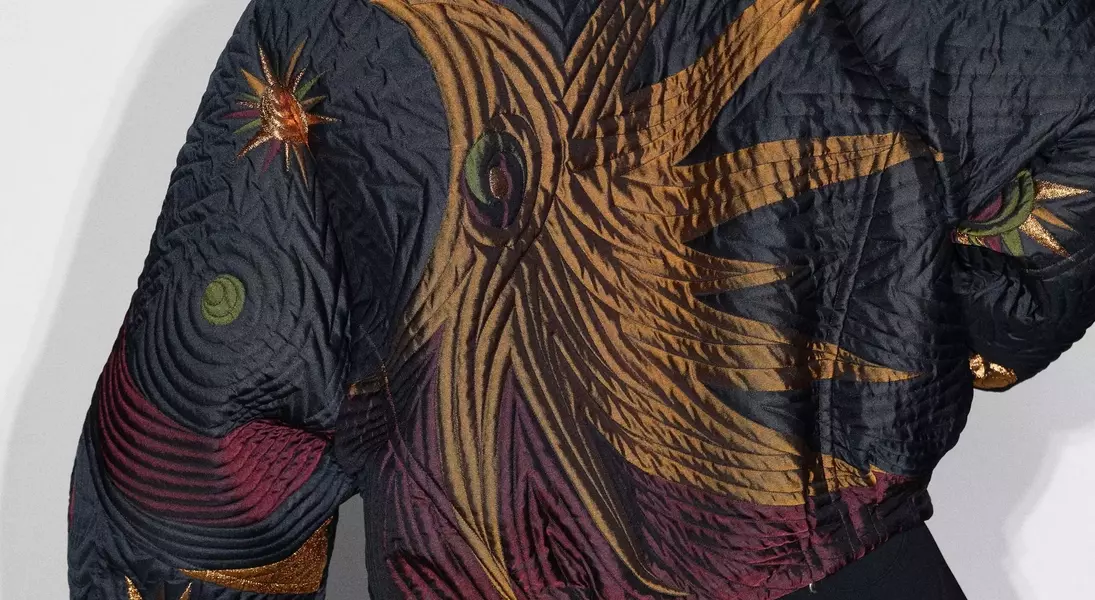
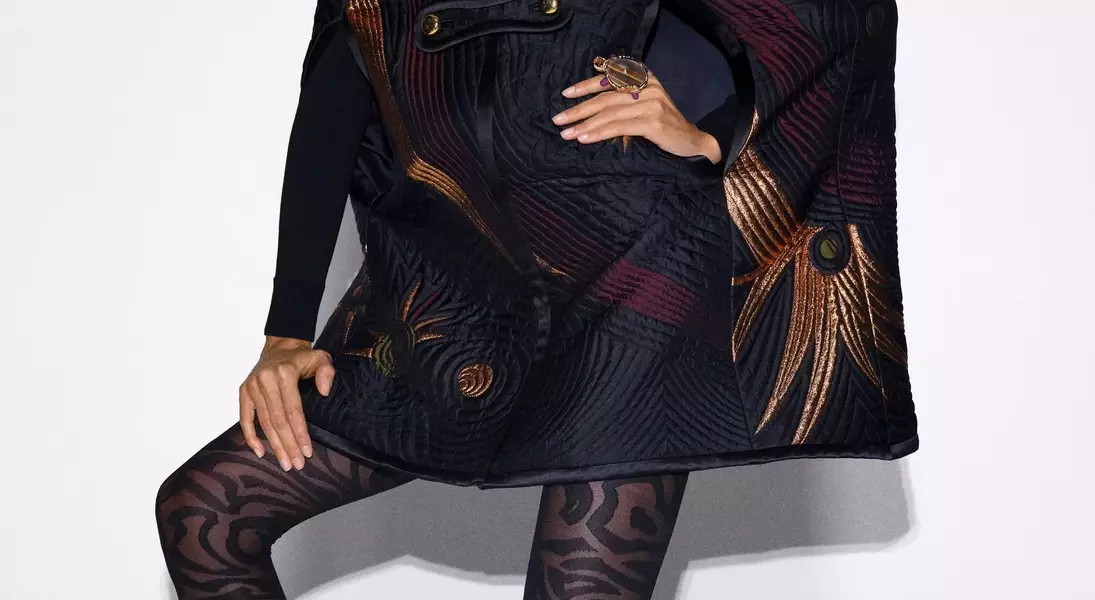
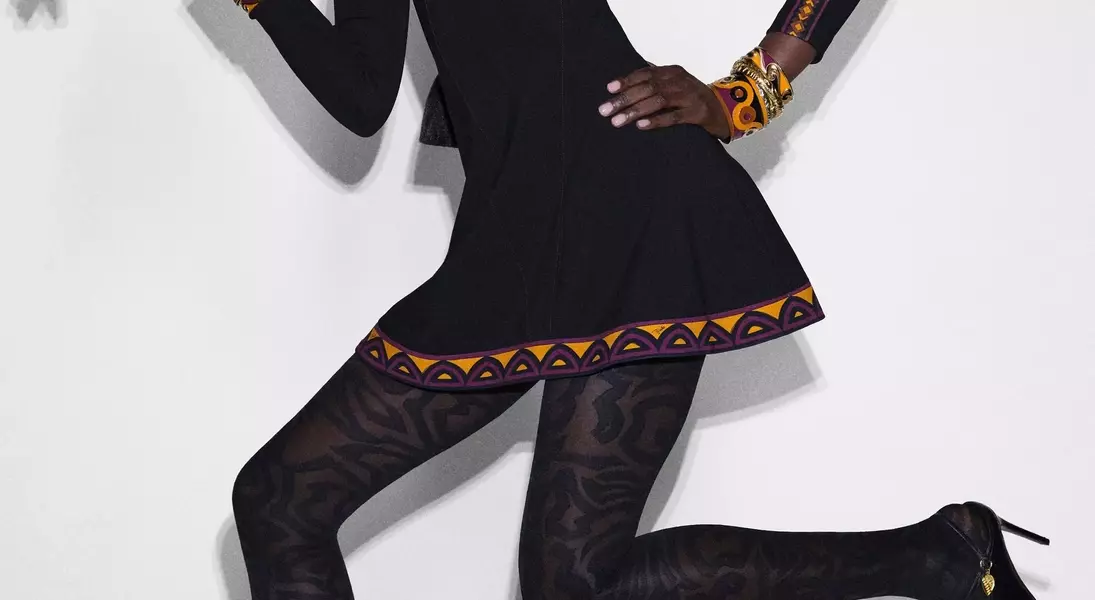
Pucci's established design language acquired a sharper edge and a more alluring quality. A black-and-gold "zebra" print evoked the grandeur of a regal emblem, while other graphic elements were stretched either vertically or horizontally, imparting a dynamic sense of motion. The inclusion of gold infused the collection with a nocturnal, luxurious vibe. While Pucci's characteristic flamboyance was evident, Miceli deliberately ensured that the prints were not the sole focus. This has become a key objective for her: to establish Pucci as a distinguished fashion house, rather than merely a brand renowned for its exceptional prints. Black-on-black jacquards, intricate quilting, elegant knitwear, delicate ribbons, and understated pieces provided striking contrasts, balancing the collection's boldness.
The collection's silhouettes referenced the theatrical grandeur of the Palio's past, featuring cinched waists and flowing skirts. Certain dresses blended medieval influences with a contemporary skating aesthetic, which felt harmonious within Pucci's creative universe. Miceli also revisited Emilio's personal sketches, including previously unseen designs, extracting specific details and proportions from the archives rather than simply replicating iconic elements. The shift to a winter collection allowed her to further develop Pucci's unique vision. The tactile elements of this collection were more prominent than usual, with jacquards, quilting, knits, and luxurious surfaces making the prints appear integral to the garments rather than merely decorative additions. Miceli's collection showcases her profound understanding of the female body, meticulously considering the placement of waistlines, motifs, and the interplay of revelation and suggestion. This thoughtful approach highlights her unique perspective as a woman designing for other women, ensuring that Pucci's imaginative allure remains, while becoming more accessible, functional, and grounded in reality.
Ultimately, this collection's brilliance lies in its nuanced approach. Miceli isn't diluting Pucci's essence; rather, she is anchoring its vibrant colors, patterns, and glamour with stronger structural designs, more luxurious fabrics, and a touch of realism. The Palio may be an ancient tradition, but for Miceli, it serves not as a historical costume study, but as a fresh avenue for Pucci to continue its legacy of enabling women to make a bold entrance and embrace joyful, expressive fashion.
