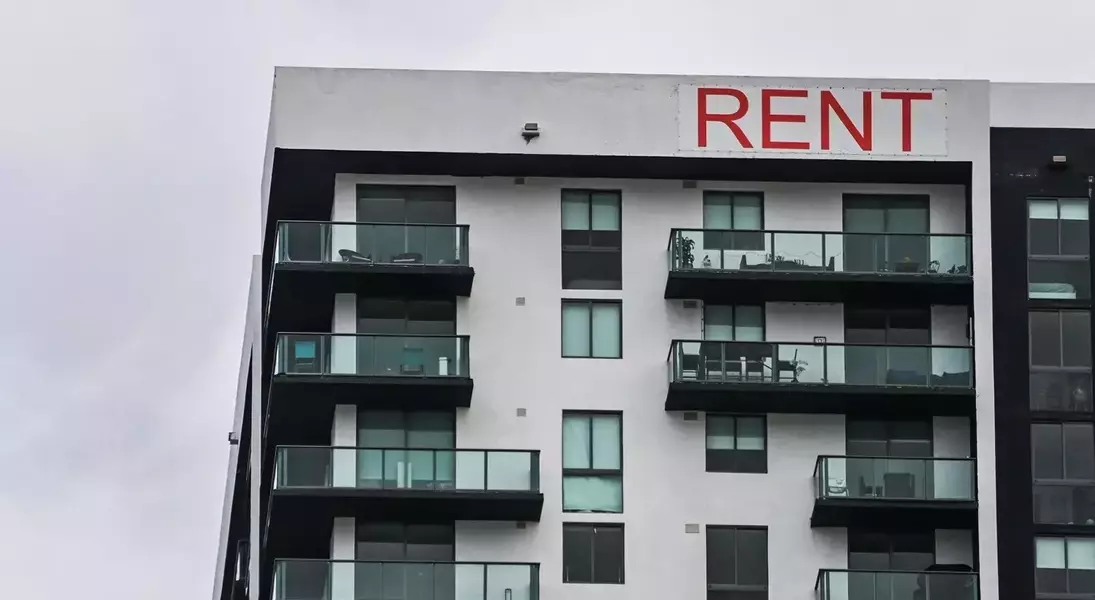
A new study reveals that individuals who give up on the dream of owning a home tend to adopt financial behaviors that could jeopardize their long-term financial stability. This includes increased discretionary spending, a decrease in labor hours, and a higher inclination towards speculative investments. Conversely, renters who maintain a positive outlook on future homeownership exhibit more prudent financial habits, such as saving more and working diligently towards their goal.
The research, conducted by economic scholars Younggeun Yoo and Seung Hyeong Lee, underscores the profound influence of homeownership aspirations on individual financial trajectories. For instance, the study projects a notable decline in homeownership rates for younger generations compared to previous ones. This shift is attributed to factors like escalating mortgage rates and housing prices, which have made homeownership increasingly inaccessible for many. The cumulative effect of these discouraged financial behaviors can significantly widen the wealth gap, as lifetime renters accumulate substantially less wealth than homeowners by retirement age.
Furthermore, the study sheds light on how investment strategies diverge based on homeownership prospects. Renters with lower net worth, particularly those who have abandoned the hope of buying a home, are more likely to engage in high-risk investments, such as cryptocurrencies, in a desperate attempt to bridge the affordability gap. This 'gambling for redemption' motive, however, often backfires, further eroding their financial standing. This suggests that the belief in achieving homeownership is a powerful driver of responsible financial planning, influencing decisions related to saving, work, and investment across an individual's lifetime.
The findings emphasize the critical role of hope and achievable goals in fostering positive financial behaviors. When individuals believe homeownership is attainable, they are more motivated to manage their finances responsibly, save diligently, and work harder to achieve their aspirations. Policies and economic conditions that support housing affordability and rekindle the hope of homeownership could therefore have a far-reaching positive impact, not only on individual financial well-being but also on broader societal wealth distribution and economic stability.
