Serving as the President of the United States entails an unceasing commitment, devoid of sick days, snow days, or leisurely summer breaks. The relentless demands of this esteemed position necessitate a change of scenery, thus establishing the long-standing tradition of the 'summer White House.' These presidential getaways, rather than being conventional holidays, function as a geographical shift from the official residence to a more tranquil environment, typically with their families. All official duties persist, merely relocated to a more refreshing setting than the confines of the Oval Office.
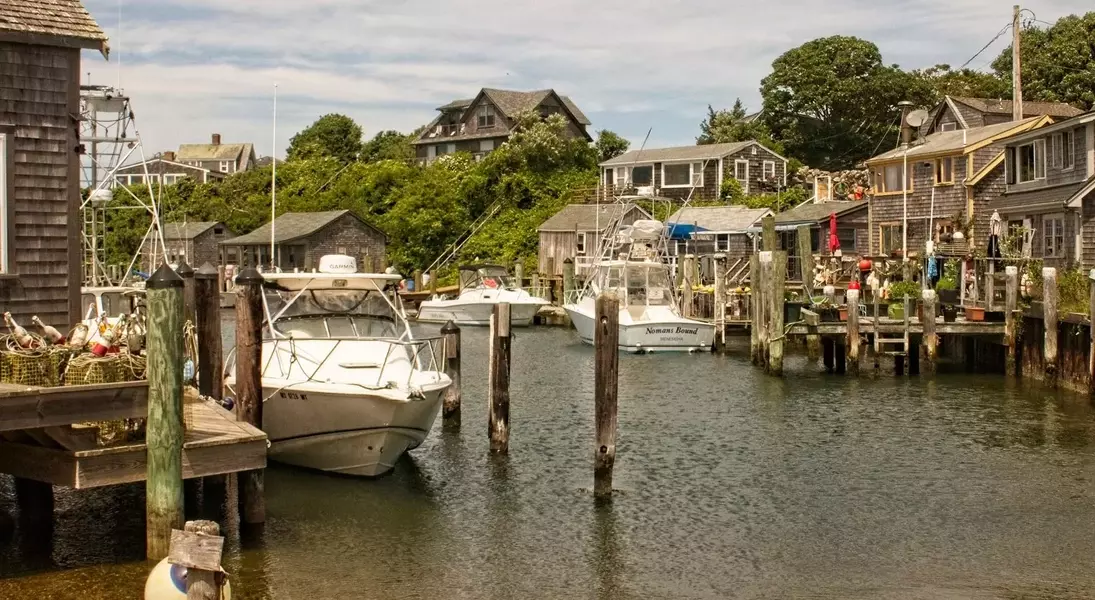
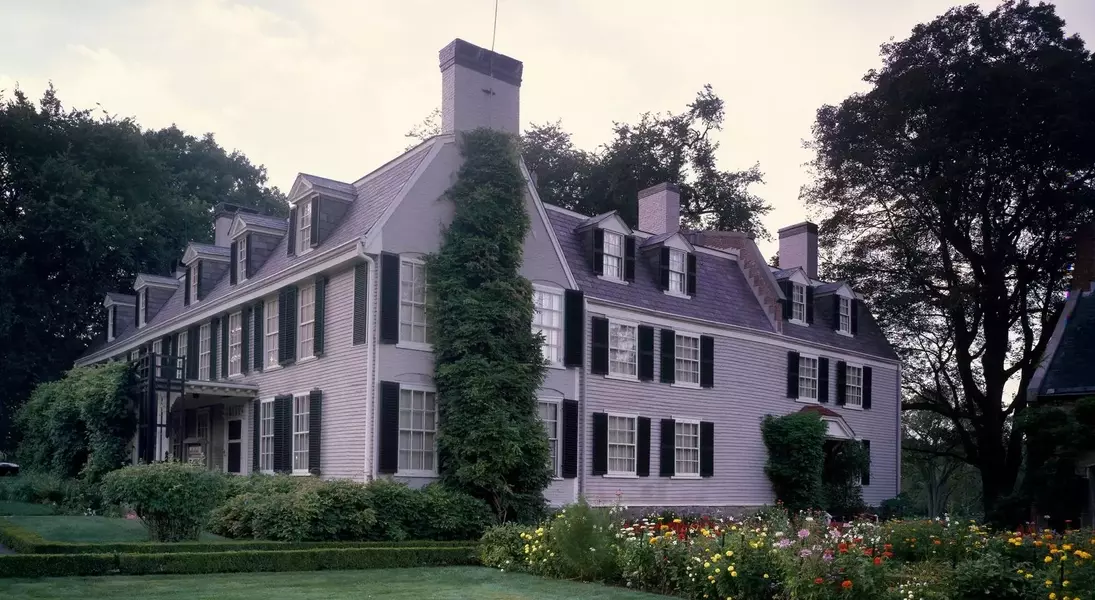
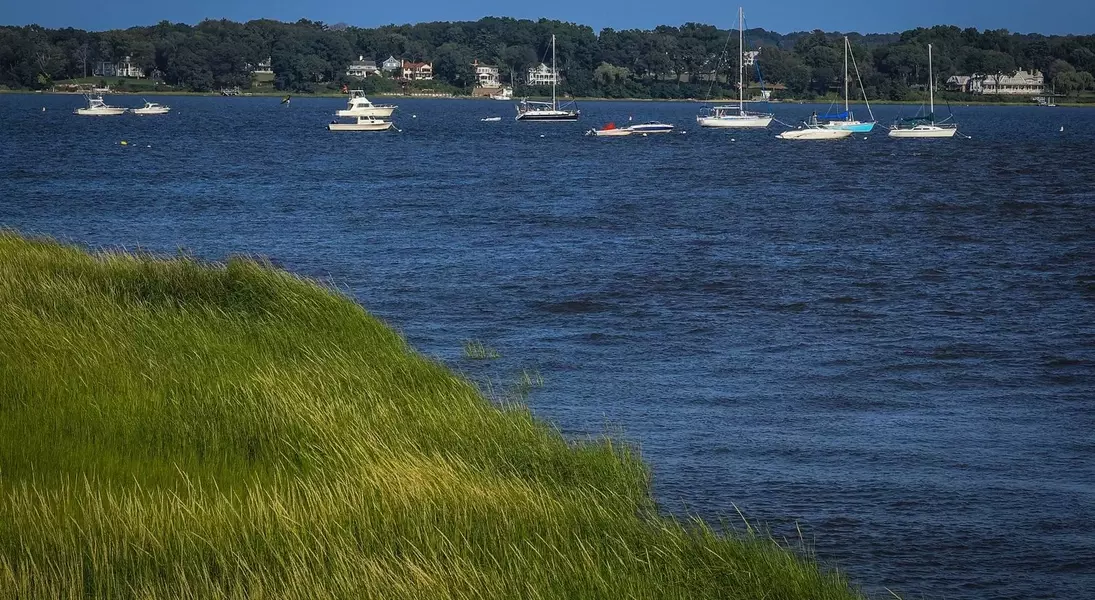
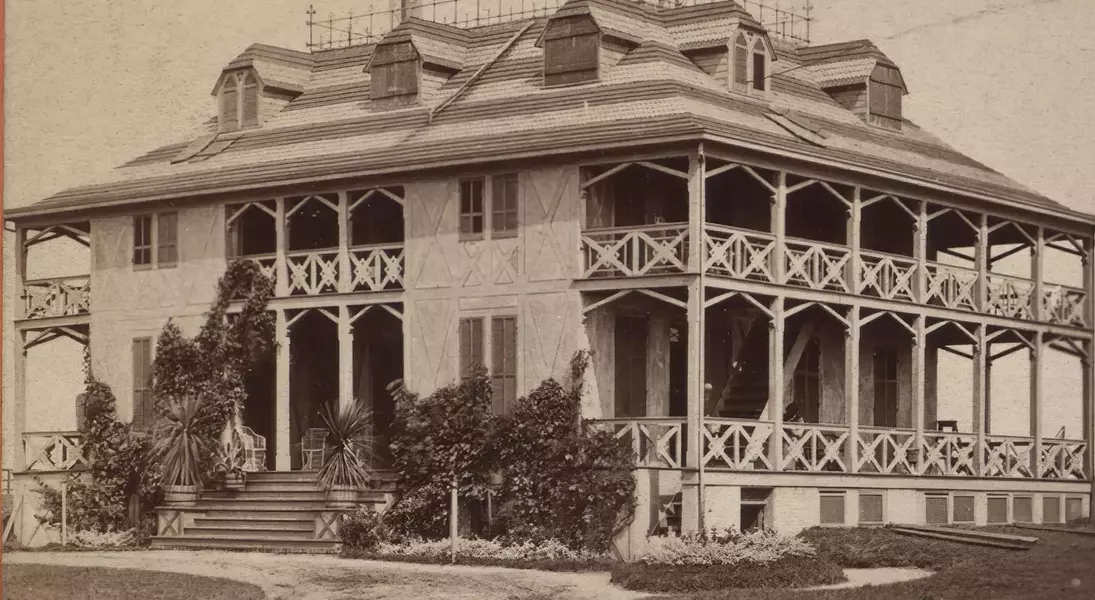
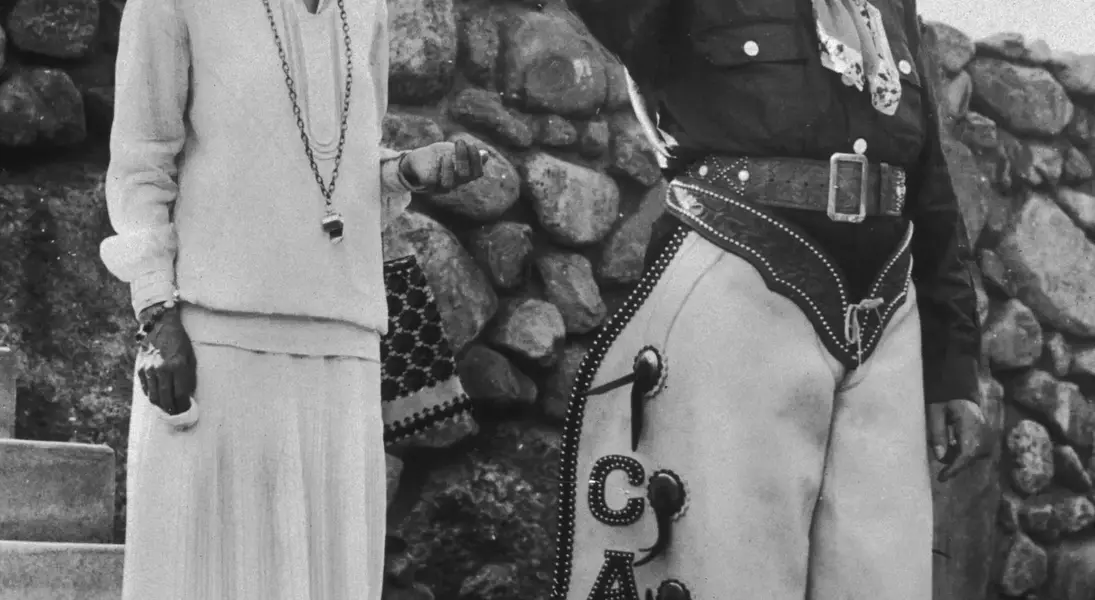
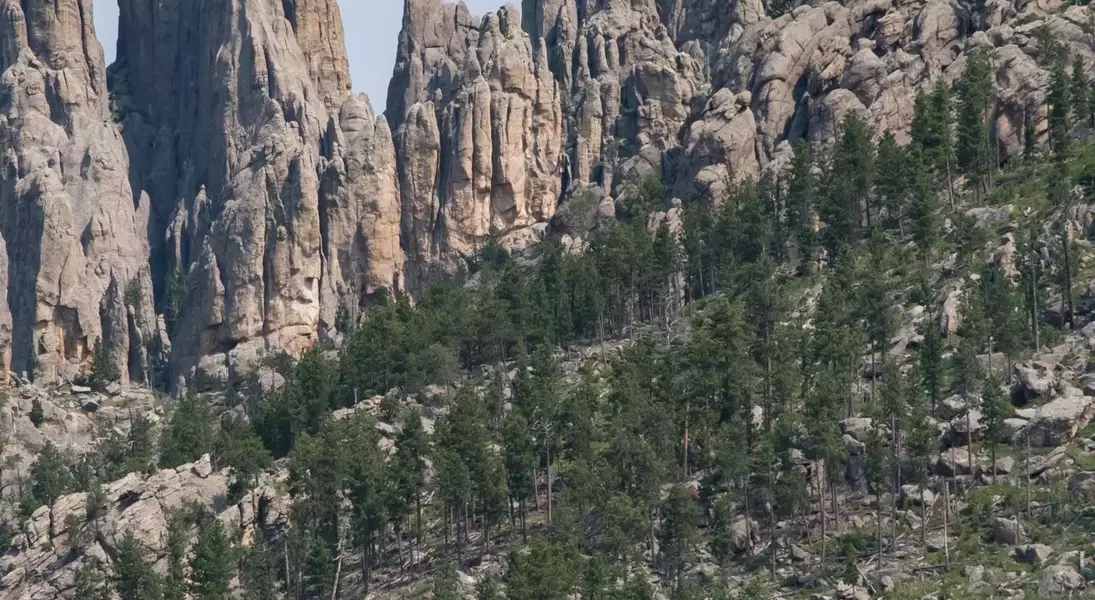
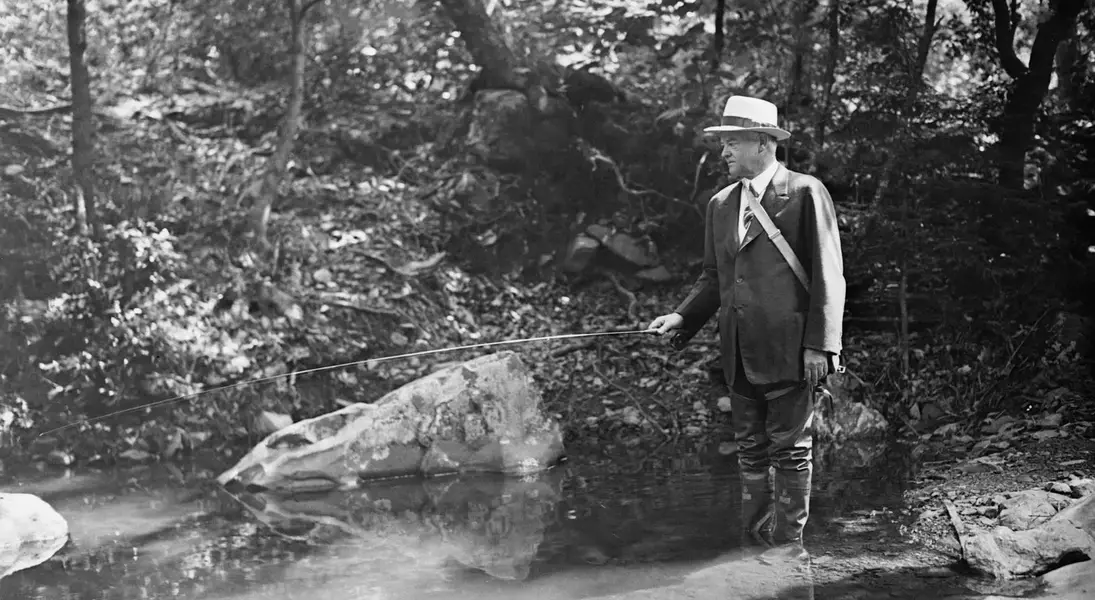
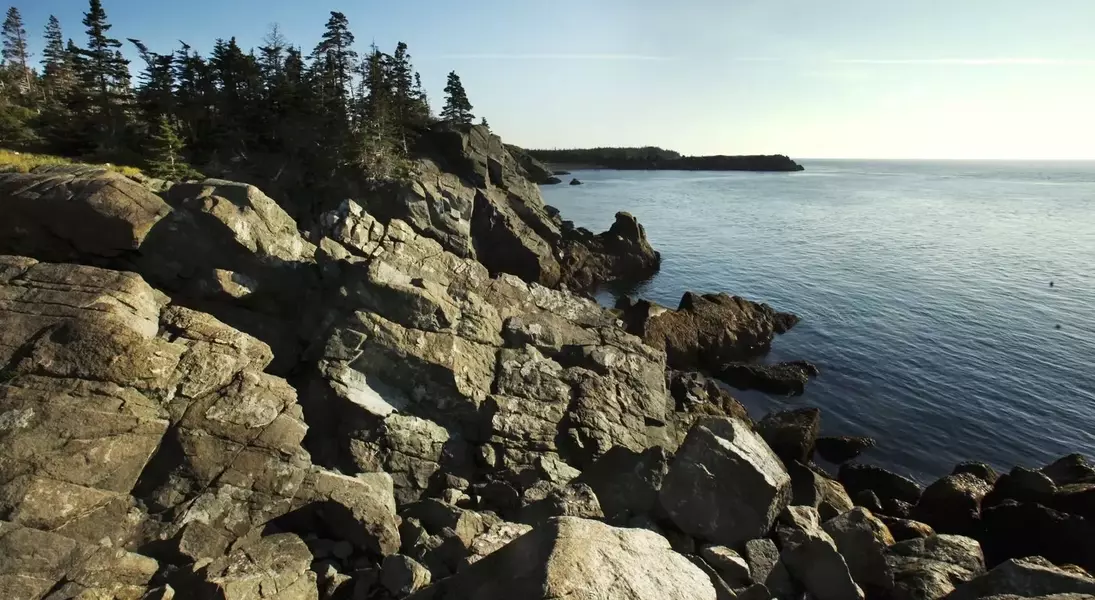
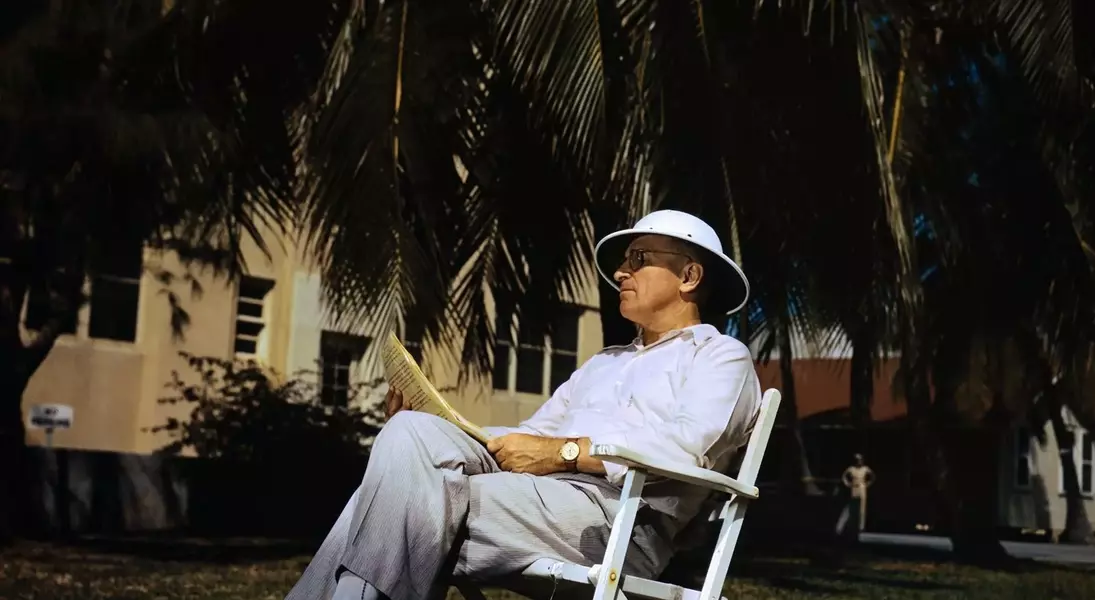
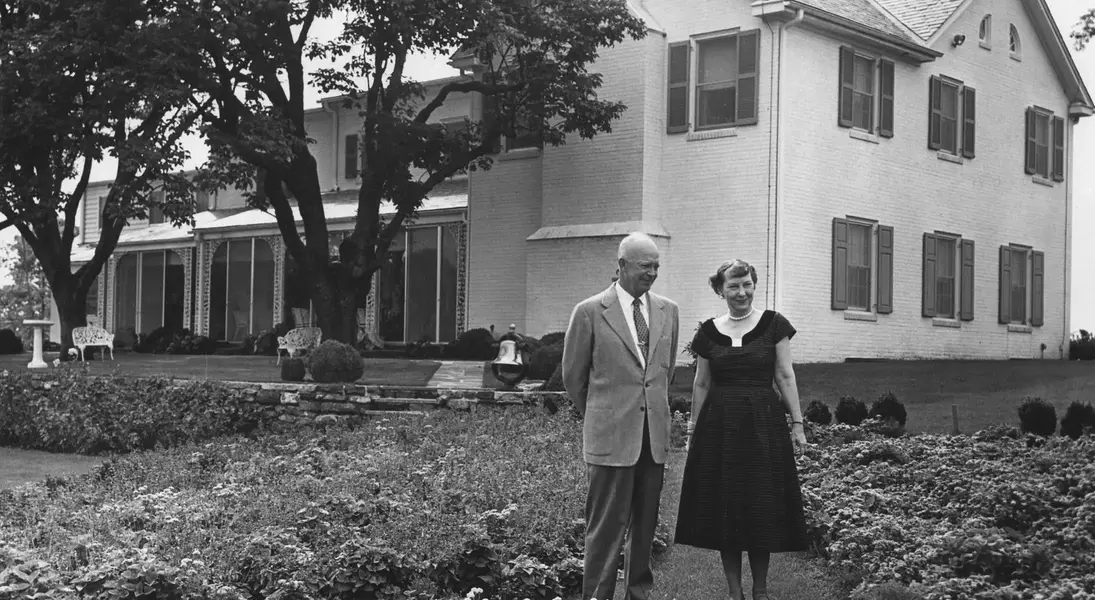
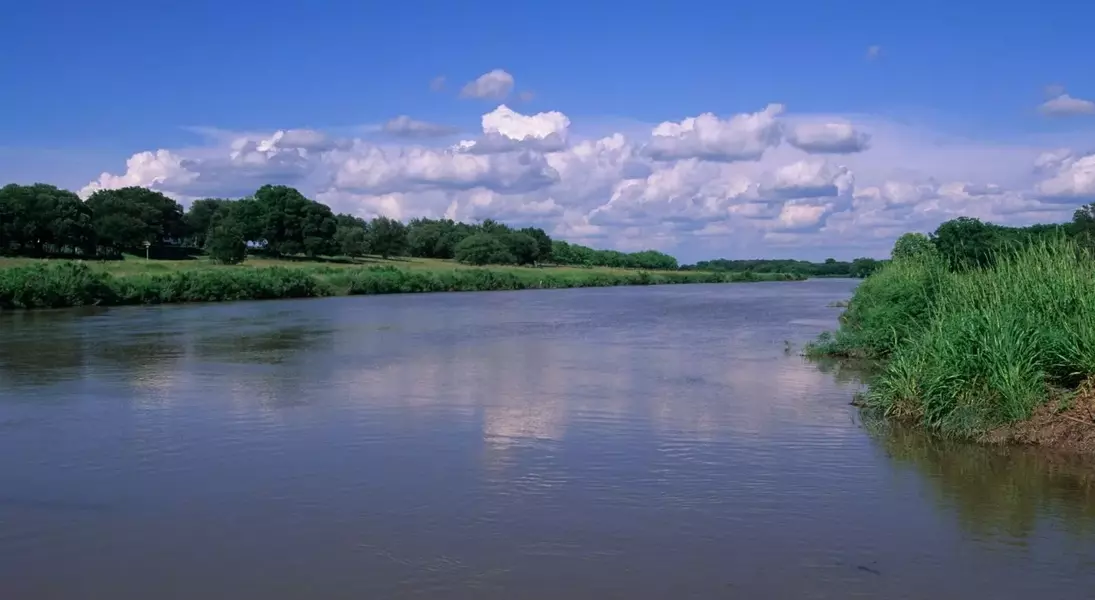
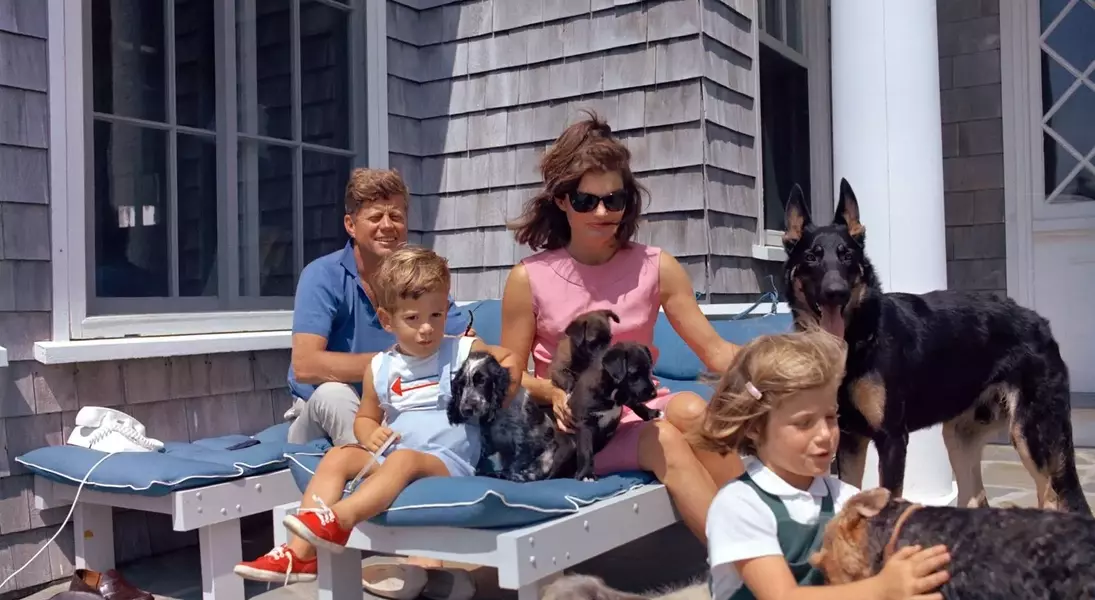
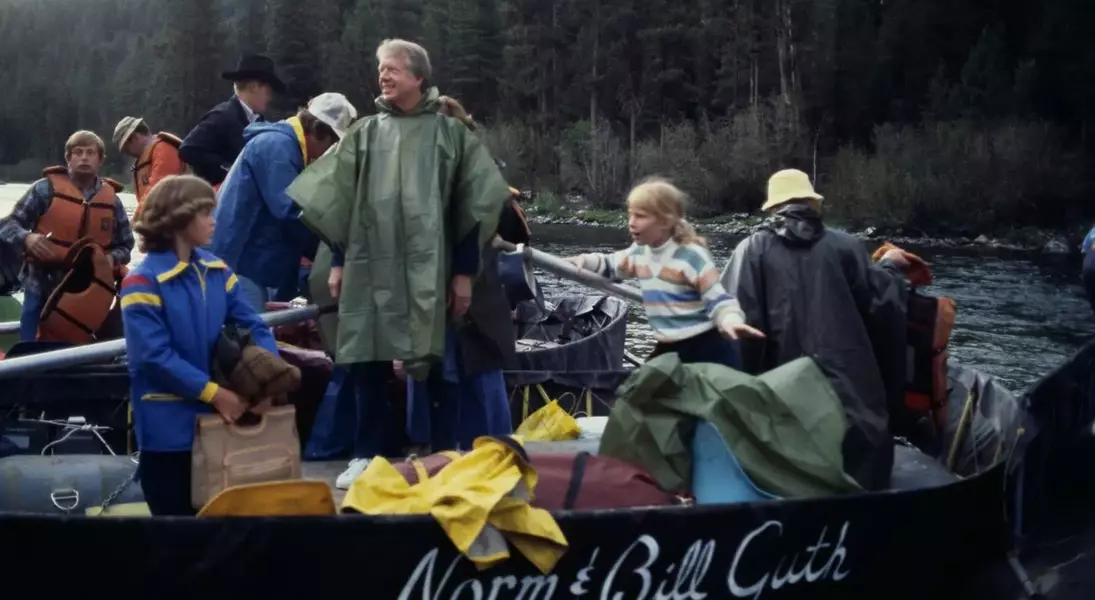
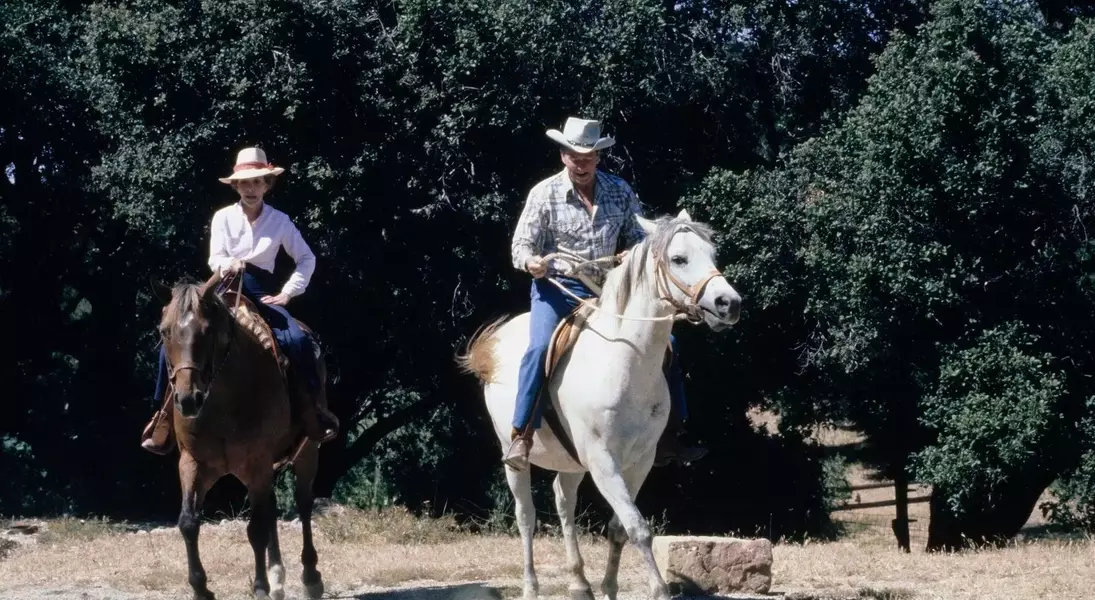
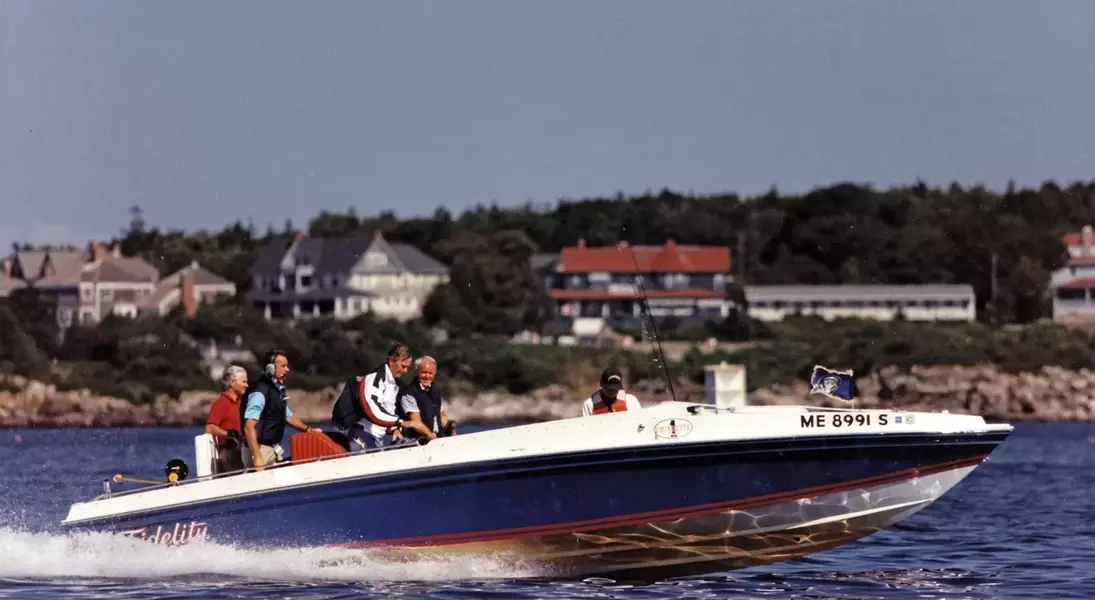
Historically, early presidents would return to their personal estates during warmer months to oversee their farms and gardens. Eventually, a cottage on the grounds of the Old Soldiers' Home was designated as the official presidential summer residence, with James Buchanan being the first to utilize it regularly. This cottage, situated on 225 acres in northern Washington D.C., was a short distance from the White House and also served as a summer retreat for Abraham Lincoln, where he is believed to have drafted the Emancipation Proclamation. As advancements in transportation evolved, subsequent presidents ventured further afield for their summer sojourns, solidifying this unique custom. Noteworthy examples include John Adams' family residence in Quincy, Massachusetts, Theodore Roosevelt's Sagamore Hill in Oyster Bay, New York, and Ulysses S. Grant's chosen "summer capital" in Long Branch, New Jersey. Later, Calvin Coolidge ventured to the Black Hills of South Dakota, Herbert Hoover sought solace in Rochelle, Virginia's Blue Ridge Mountains, and Franklin D. Roosevelt often returned to Campobello Island in New Brunswick, Canada. Harry S. Truman, while preferring Key West, Florida for its winter warmth, also utilized it as a significant retreat. Dwight D. Eisenhower found peace at his farm adjacent to the Gettysburg battlefield, and Lyndon B. Johnson established his Texas White House along the Pedernales River. John F. Kennedy's iconic Hyannis Port compound, Jimmy Carter's impactful rafting trip down Idaho's Salmon River, Ronald Reagan's working ranch near Santa Barbara, and George H.W. Bush's family estate in Kennebunkport, Maine, each played a pivotal role in their presidencies. More recently, Barack Obama and his family frequently vacationed on Martha's Vineyard, ultimately acquiring their own property there.
These summer residences offer a compelling narrative of leadership, demonstrating how even the most powerful figures sought respite and inspiration in diverse environments. From shaping landmark legislation to hosting international dignitaries, these retreats were more than just personal escapes; they were often integral to the fabric of American governance and diplomacy. They remind us that even amidst immense responsibility, leaders can find clarity and strength in moments of reflection, contributing to a legacy of both governance and personal well-being.
