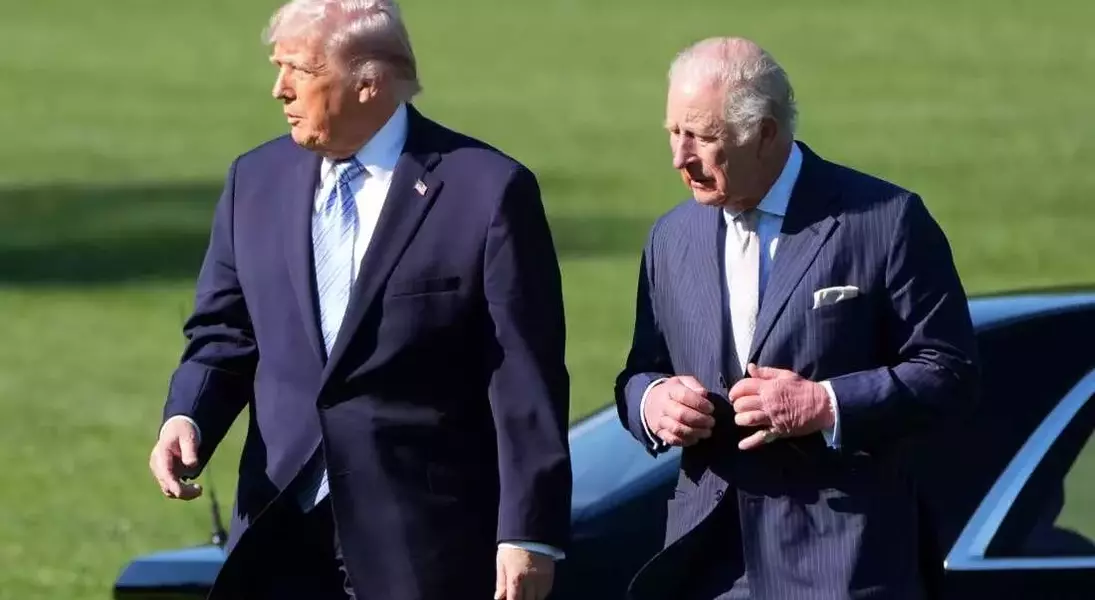
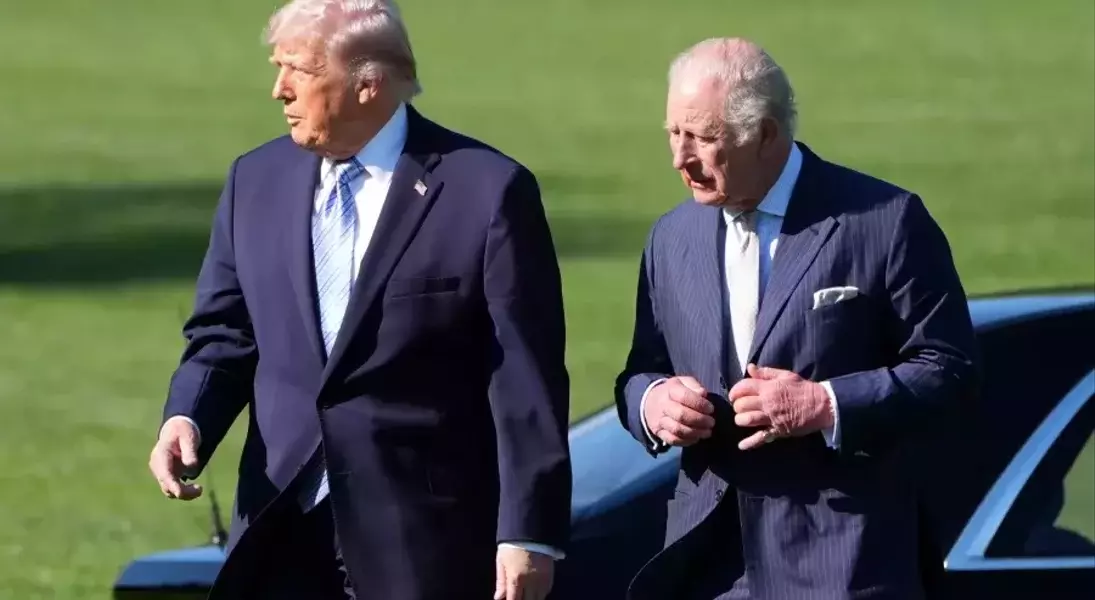
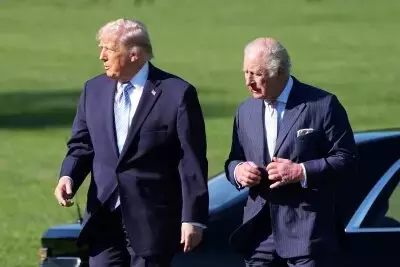
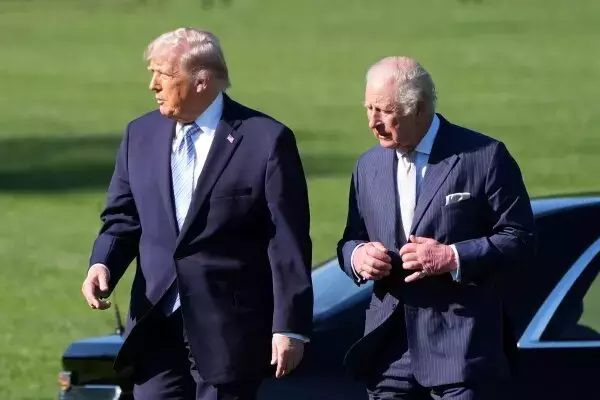
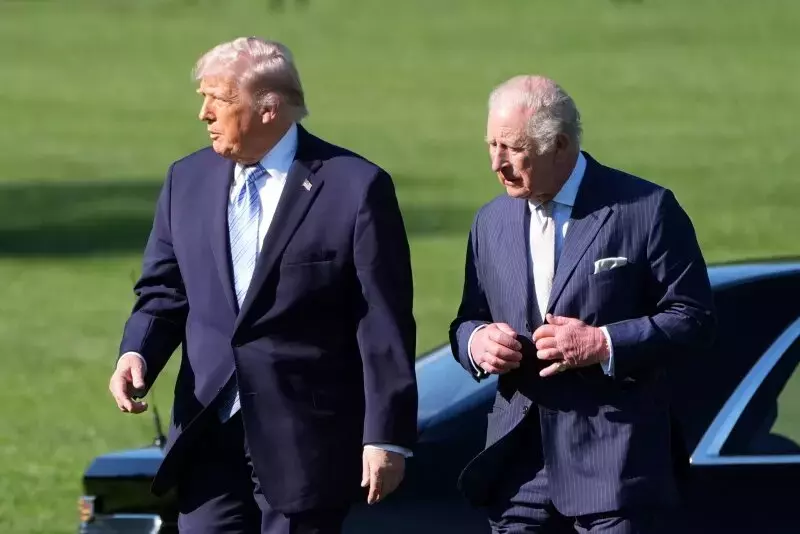
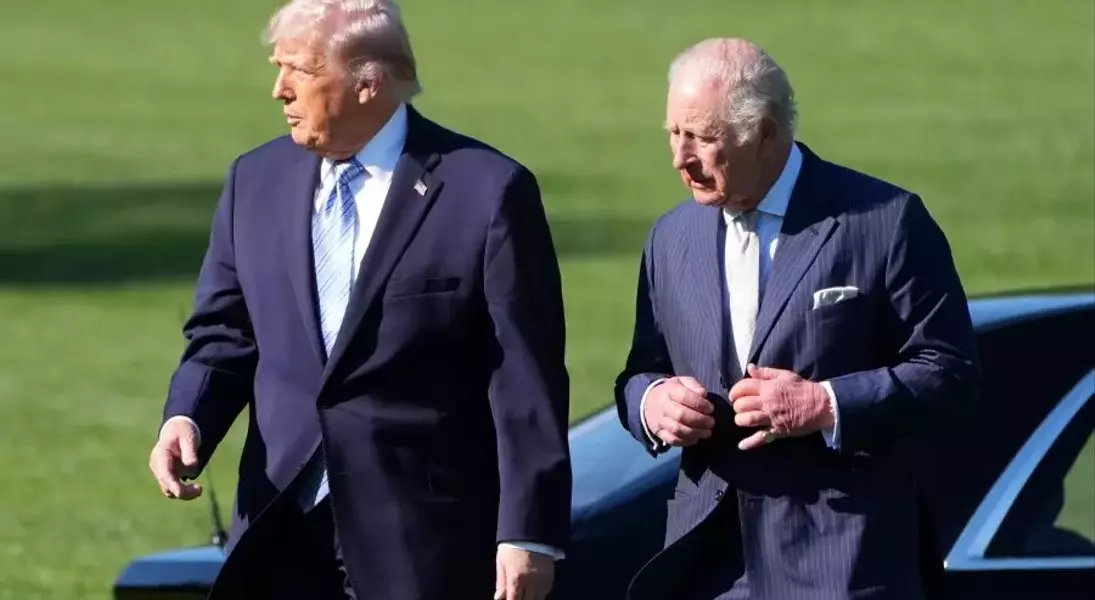
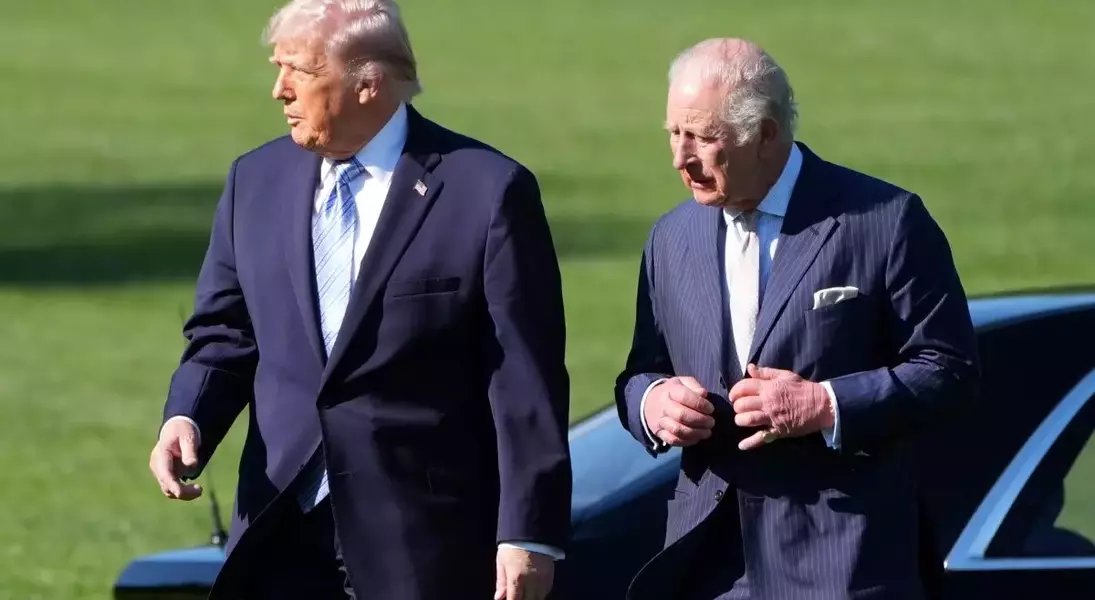
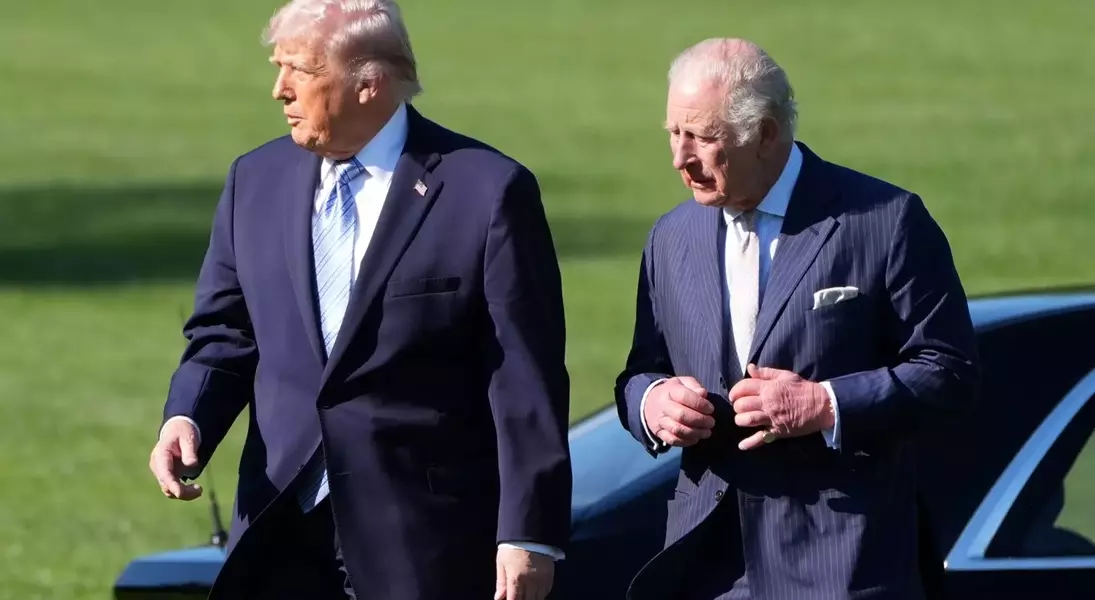
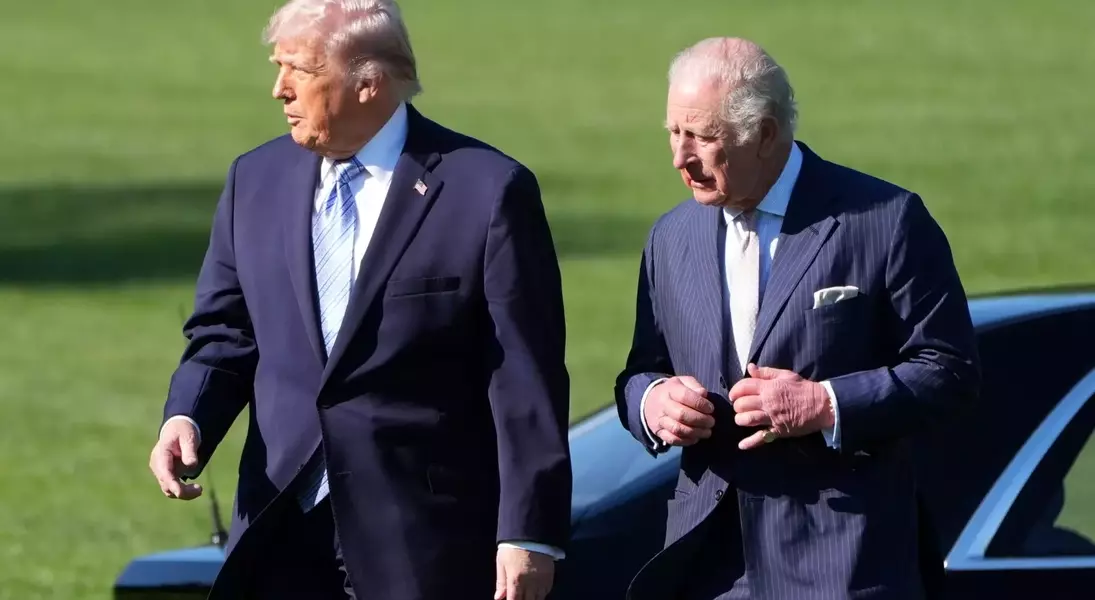
President Trump has expressed considerable enthusiasm for the impending state visit of King Charles III and Queen Camilla to the White House, referring to the monarch with effusive praise. This four-day event is designed to commemorate the 250th anniversary of the United States' emancipation from Great Britain. A security review was prompted by a recent incident at the White House Correspondents' Dinner, which President Trump attended, but the royal itinerary remains unaltered.
Despite the celebratory nature of the visit, the diplomatic climate between the U.S. and the U.K. is currently marked by notable friction, primarily stemming from disagreements over the conflict in Iran. President Trump has openly criticized the U.K. for its perceived lack of military support, contrasting Prime Minister Keir Starmer's stance with historical alliances. Beyond the Iran situation, other contentious issues include the U.K.'s plan to cede the Chagos Islands, a move impacting a U.S. air base, and ongoing disputes over digital services taxes and North Sea drilling rights. Although the British monarchy traditionally maintains political neutrality, King Charles's visit offers a unique opportunity for soft diplomacy, potentially leveraging Trump's known admiration for the Royal Family to de-escalate tensions.
King Charles is also slated to address a joint session of Congress, marking only the second time a British monarch has done so. This address is expected to touch upon areas of disagreement, such as NATO, and emphasize the imperative of revitalizing the U.S.-U.K. relationship. The current geopolitical landscape significantly contrasts with previous royal visits, underscoring the evolving and often challenging dynamics of international alliances in the contemporary era. The visit, therefore, serves as a crucial moment for dialogue and potential reconciliation between two historically intertwined nations.
In a world characterized by intricate international relations and constantly shifting alliances, open communication and mutual respect are paramount. Even amidst significant policy differences, diplomatic exchanges like this royal visit offer a platform for dialogue, understanding, and the potential to strengthen bonds. It reminds us that cultivating relationships, even when challenging, is essential for navigating global complexities and striving for collective progress. Leadership, both political and symbolic, plays a vital role in fostering an environment where nations can constructively address disagreements and work towards a more harmonious future.
