The landscape of Premier League football is frequently reshaped by strategic decisions made during the transfer windows. These periods of player movement are crucial for clubs aiming to reinforce their squads, challenge for titles, or avoid relegation. An examination of historical transfer windows reveals the intricate balance between financial outlay, player selection, and the ultimate impact on team dynamics and success. While public opinion often plays a role in how these windows are perceived, a deeper analysis uncovers the true strategic value of these pivotal moments.
Understanding the nuances of successful transfer strategies is key to appreciating how clubs ascend to dominance. It’s not merely about acquiring high-profile players but about identifying the right talent that complements existing strengths and addresses weaknesses. This retrospective look at some of the most impactful transfer periods in Premier League history showcases how diverse approaches, from shrewd, cost-effective signings to significant investments, have shaped the fortunes of various clubs. The legacy of these transfer decisions often extends far beyond a single season, influencing team identity and sustained competitiveness for years to come.
The Strategic Impact of Key Signings
An in-depth look at top Premier League transfer windows reveals the profound strategic impact of acquiring the right talent. This analysis, stemming from a public poll and further reordering, assesses how player movements have shaped the fortunes of clubs such as Arsenal, Leicester, Chelsea, and Wolves. It delves into the strategic depth of these acquisitions, considering both immediate team enhancement and long-term club development. The discussion highlights instances where specific player additions became catalysts for success, altering team dynamics and contributing significantly to title challenges or sustained competitive performance. It also acknowledges the inherent biases in fan-driven evaluations, emphasizing the need for a more objective lens when judging these critical periods.
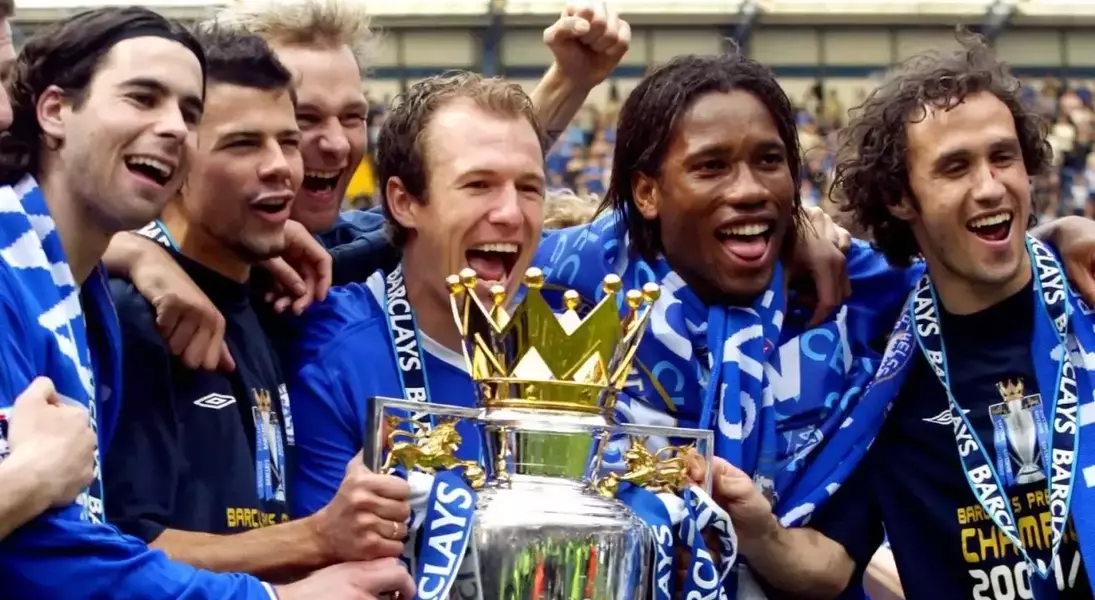
The detailed examination of specific transfer windows underscores how strategic planning, coupled with effective execution, can transform a club's trajectory. For instance, Chelsea's 2004/2005 window, featuring key figures like Didier Drogba and Ricardo Carvalho, laid the foundation for a dominant era, demonstrating the power of targeted recruitment under a clear managerial vision. Similarly, Leicester's 2015/2016 acquisitions, notably N'Golo Kante, illustrate how astute, cost-effective signings can yield unexpected yet monumental success. The analysis further explores how clubs like Wolves, through strategic alliances and impressive player recruitment, rapidly ascended the league ranks, showcasing the broader implications of their transfer activities beyond mere player statistics. These examples collectively emphasize that the true measure of a successful transfer window lies not just in the names acquired but in their collective ability to fulfill strategic objectives and drive team success over time.
Evaluating Historical Transfer Successes
A comprehensive evaluation of historical Premier League transfer successes reveals the multifaceted nature of effective squad building. This segment, based on an insightful re-analysis of a fan poll, scrutinizes how different clubs—including Liverpool, Manchester City, Southampton, and Manchester United—navigated their transfer dealings to achieve varying degrees of success. The focus is on the financial considerations, the strategic vision behind each acquisition, and the eventual on-field impact. It highlights how certain transfer windows were pivotal in establishing long-term dominance or returning clubs to prominence, providing a critical perspective on what constitutes a truly successful period of player recruitment, despite popular opinion or initial fan reception.
Delving deeper into these historical windows, we observe diverse approaches to talent acquisition and their respective outcomes. Manchester City's 2015/2016 window, which saw the arrival of Kevin De Bruyne, epitomizes how a significant investment in a 'flop' could transform into unparalleled success, redefining midfield play in the league. Similarly, Liverpool's 2018/2019 strategy, bringing in Alisson and Fabinho, addressed critical vulnerabilities and propelled them towards a long-awaited league title, illustrating the importance of targeting specific positional needs. Southampton’s 2014/2015 period, characterized by a mix of established and emerging talents like Sadio Mane, exemplifies how astute mid-table clubs can build competitive teams and generate future revenue through smart player trading. These case studies collectively underscore that the success of a transfer window is a complex interplay of market timing, player fit, managerial philosophy, and financial prudence, ultimately measured by its contribution to a club's sporting achievements and sustained growth.
