
The English Premier League stands at the precipice of a significant transformation in its commercial partnerships. With the prohibition of gambling sponsorships on the front of player jerseys set to commence from the 2026-27 season, many clubs, particularly those outside the traditional 'Big Six,' confront a substantial financial challenge. This impending change, initiated by a 2023 vote among the league's clubs, aims to mitigate the pervasive influence of gambling advertisements within the sport. The collective revenue gap created by this departure is projected to be in the realm of £100 million, compelling clubs to strategically re-evaluate their commercial approaches. While opportunities for branding on sleeves, training wear, and advertising hoardings will persist, the value of these deals is expected to diminish considerably compared to the lucrative front-of-shirt agreements. This pivot signals a new era for football financing, characterized by a broader search for diverse industry partners and a recalibration of sponsorship valuations.
Premier League's Commercial Reimagining: A Deep Dive into Sponsorship Evolution
In a groundbreaking move for English football, the Premier League’s decision to ban gambling sponsorships from the primary shirt space marks a pivotal moment, taking full effect from the commencement of the 2026-27 season. This landmark shift, voted into motion by the Premier League clubs themselves in 2023, concludes an era spanning over two decades where betting firms played a dominant role in football club endorsements. The final season to feature these prominent sponsorships is the current 2025-26 campaign, which dramatically began with Liverpool's compelling 4-2 triumph over Bournemouth.
Currently, more than half of the Premier League's twenty clubs maintain primary sponsorship agreements with gambling entities. This widespread reliance on betting firms has typically provided a substantial financial lifeline, especially for teams outside the elite 'Big Six' clubs. The collective commercial shortfall anticipated from this ban is estimated to be a staggering £100 million (approximately $135 million), posing an immediate and pressing challenge for these clubs to identify alternative revenue streams. Industry experts, such as Joe Williams, director at WH Sports, foresee this as the most profound shake-up in the sports sponsorship landscape in two decades, directly impacting club valuations and the negotiation of future deals.
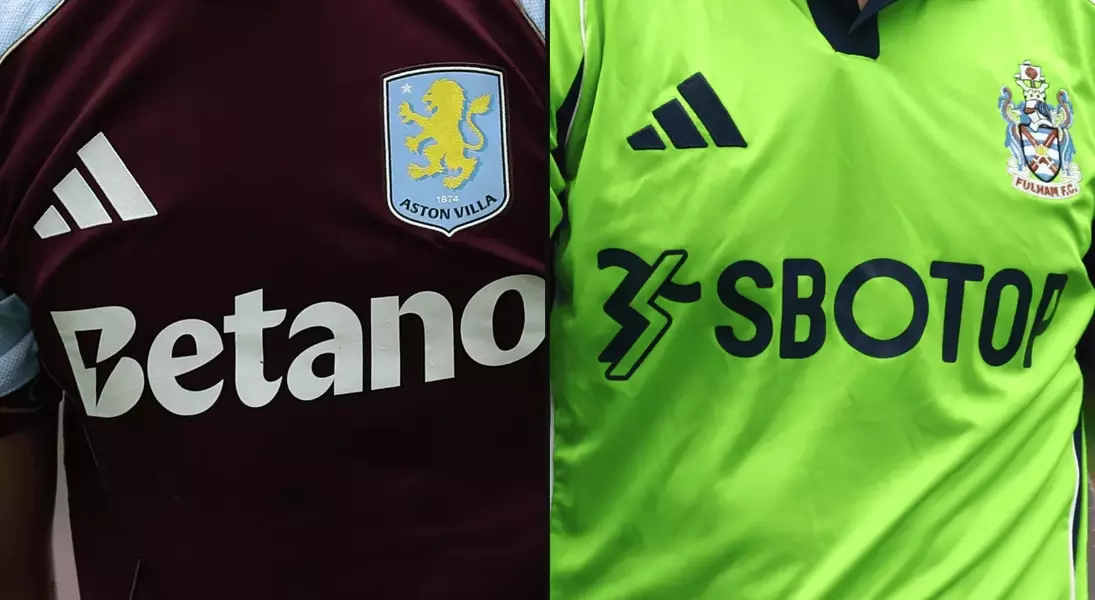
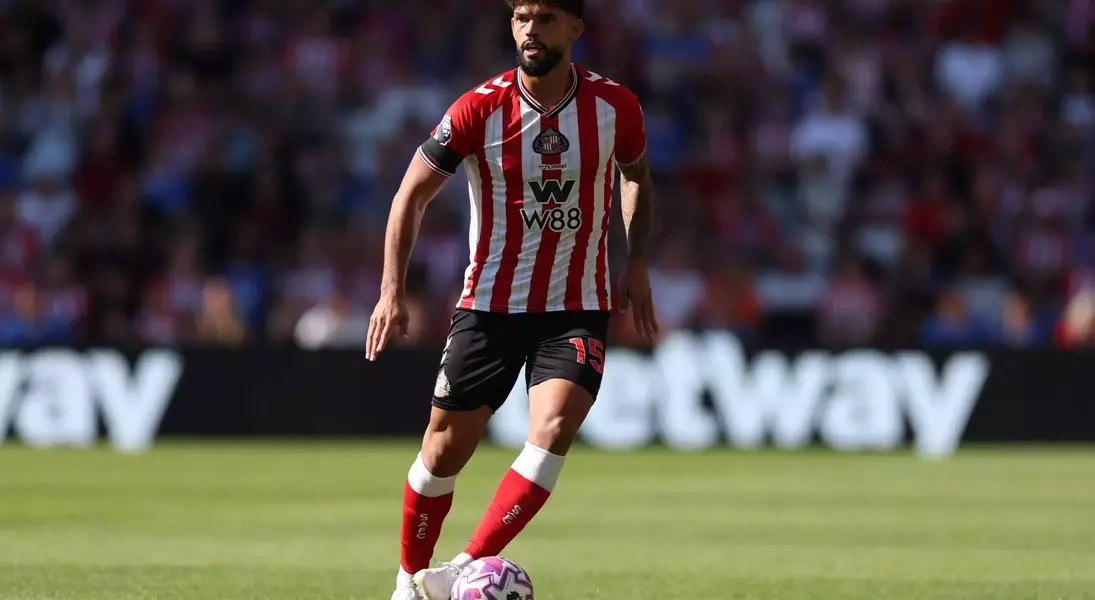
For the 2025-26 season, eleven clubs—including prominent names like Aston Villa, Everton, West Ham United, Wolverhampton Wanderers, Nottingham Forest, Fulham, Crystal Palace, Brentford, Bournemouth, Burnley, and Sunderland—are observing their final year with a betting platform as their main shirt sponsor. Historically, clubs like Fulham, who pioneered betting sponsorships in 2002 with Betfair, and Aston Villa have engaged with multiple gambling companies over the years. West Ham United, for instance, has maintained continuous partnerships with online bookmakers since 2015, highlighting the deep-rooted financial ties that now must be severed.
This transformative decision stemmed from intense scrutiny and advocacy by campaign groups, particularly during the UK government's review of gambling legislation in 2023. The Premier League clubs’ "voluntary" withdrawal of front-of-shirt betting sponsorships was a direct response to growing public and political pressure to curb problematic gambling behaviors and reduce the visibility of such advertisements. While the ban specifically targets front-of-shirt branding, betting firms will still be permitted to feature on kit sleeves, perimeter advertising boards within stadiums, and training apparel. However, the value of sleeve sponsorships for a mid-table Premier League club, currently estimated between £1 million and £2 million, is expected to see increased interest from betting companies seeking to retain a presence, potentially driving these figures upward.
The impact of this ban will not be uniformly distributed. The Premier League's largest and most financially robust clubs, such as Liverpool (sponsored by Standard Chartered), Manchester United (Snapdragon), Manchester City (Etihad), and Arsenal (Emirates), are largely insulated from this change. These giants already command lucrative, long-term deals with non-gambling entities, with some, like Tottenham Hotspur with AIA, having diversified away from betting sponsors years ago. Chelsea, an intriguing exception, remains without a shirt sponsor for another season, having previously withdrawn from a deal with betting group Stake in 2023 due to significant fan opposition. This incident underscored a growing discomfort among supporters regarding the ethics of accepting revenue from the gambling industry.
Clubs like Aston Villa, currently facing financial fair play challenges, and Everton, whose partnership with Stake was a club-record deal in 2022, will find it particularly challenging to replace their existing lucrative gambling sponsorships. Securing new deals comparable to their current £14 million per season agreements will be a complex task. The search for the next wave of major commercial partners is now on. While there isn't a single clear successor, traditional sectors like automotive, financial services, airlines, and IT are strong contenders. Emerging industries, including fintech, cryptocurrency, artificial intelligence, and tourism, are also showing promising growth as potential future sponsors, signaling a more diversified and perhaps less controversial commercial landscape for Premier League clubs.
A New Horizon for Football Sponsorship: Ethics, Economics, and Innovation
From the perspective of a keen observer, the Premier League's proactive decision to phase out front-of-shirt gambling sponsorships is a commendable step towards fostering a more socially responsible environment within professional football. This move, while creating immediate financial hurdles for many clubs, represents a crucial acknowledgement of the societal concerns surrounding gambling addiction and the pervasive nature of advertising. It prompts a vital conversation about the ethical responsibilities of sports organizations and signals a maturation in the commercialization of the game.
The impending commercial vacuum presents an unparalleled opportunity for innovation in sports marketing. Clubs are now compelled to cast a wider net, exploring partnerships with diverse industries that align more closely with broader community values. This could lead to more creative and mutually beneficial collaborations, moving beyond the often-controversial associations with betting. While the short-term financial adjustments may be challenging, this shift could ultimately strengthen the Premier League's brand integrity and appeal to a new generation of fans and sponsors who prioritize social impact alongside commercial success. It's an exciting time to witness how clubs adapt, evolve, and redefine their commercial identities in this new, more conscientious era of football.
