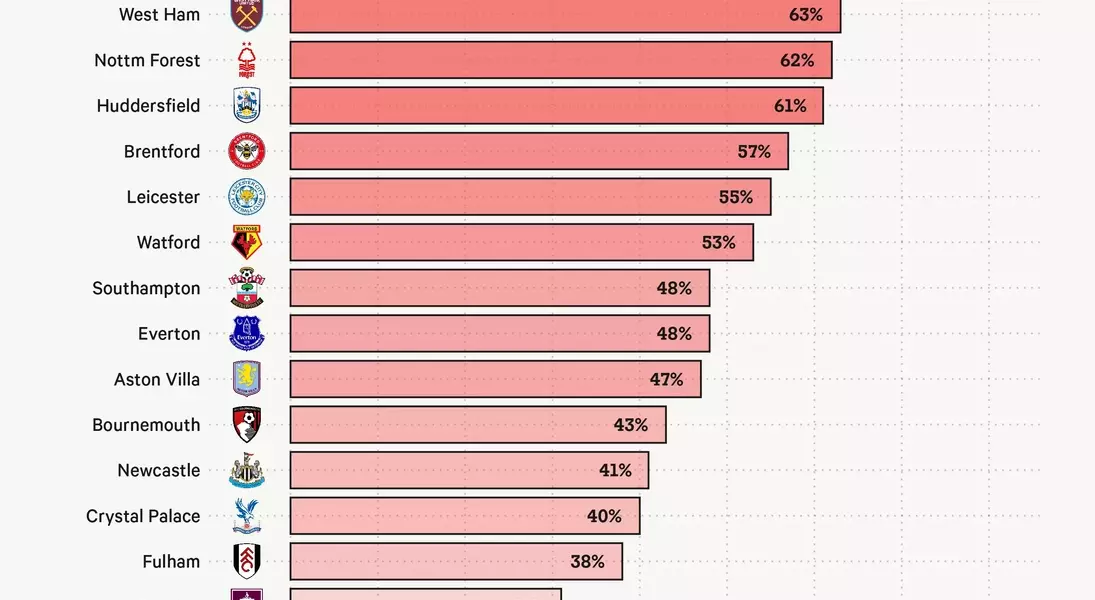

A notable evolution is occurring within the Premier League's transfer dynamics. The historically dominant 'Big Six' clubs are increasingly focusing their recruitment efforts on players already established within the English top flight. This strategic pivot, while seemingly a recent phenomenon, reflects deeper changes in player development and the financial landscape of English football. It underscores a growing confidence in domestic talent and the formidable economic power that allows these elite clubs to secure proven Premier League performers, even at a premium. This trend is shaping the competitive balance and talent flow within the league.
Premier League's Shifting Transfer Landscape: Domestic Talent in High Demand
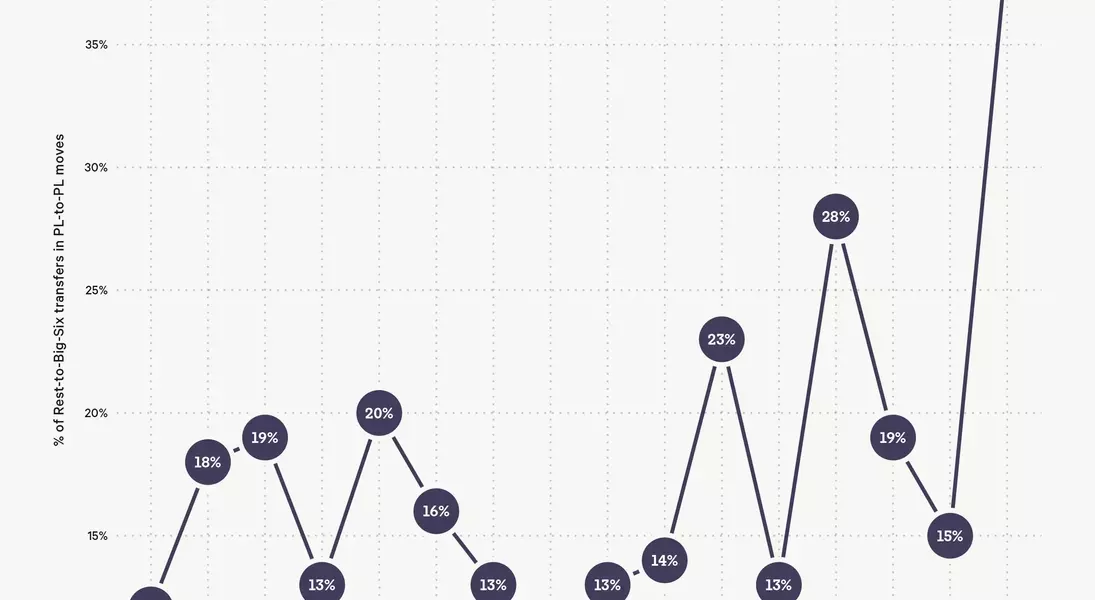
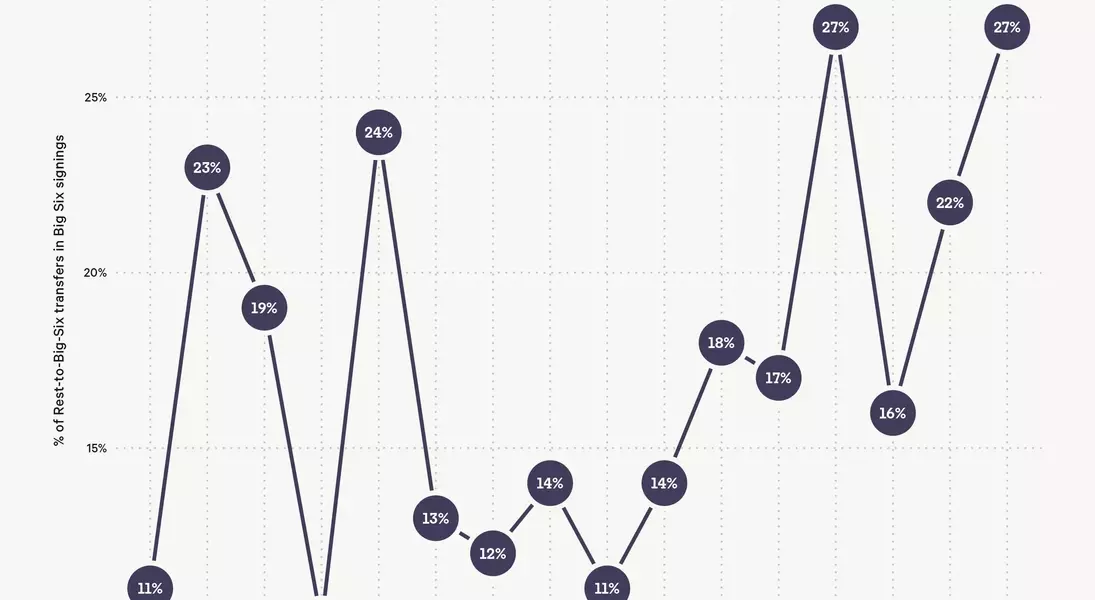
In the vibrant summer transfer window of 2025, a fascinating pattern has emerged in the world of English football. The Premier League's most prestigious clubs, colloquially known as the 'Big Six' – comprising Arsenal, Chelsea, Liverpool, Manchester City, Manchester United, and Tottenham Hotspur – are demonstrating a marked preference for acquiring talent from within the league itself, a departure from their historical reliance on international markets. While the overall percentage of inter-Premier League transfers has remained relatively consistent with previous seasons, it is the disproportionate share of these transfers involving the 'Big Six' that truly captures attention.
This summer, a substantial 39 percent of all player movements between Premier League clubs have seen a 'Big Six' team secure an athlete from another domestic rival. This figure represents the highest proportion since 2010, indicating a clear strategic shift. Prominent examples abound: Noni Madueke made the switch from Chelsea to Arsenal, while Bryan Mbeumo and Matheus Cunha joined Manchester United from Brentford and Wolverhampton Wanderers, respectively. Newcastle United also strengthened their ranks with Anthony Elanga from Nottingham Forest. Tottenham Hotspur acquired Mohammed Kudus from West Ham United, and Chelsea brought in Joao Pedro from Brighton & Hove Albion, along with Liam Delap from Ipswich Town, further illustrating this burgeoning trend.
This strategic realignment is primarily underpinned by two significant factors. Firstly, the Premier League's Elite Player Performance Plan (EPPP), initiated in 2012, has dramatically elevated the quality of homegrown talent emerging from English academies. This program was meticulously designed to refine the technical and tactical prowess of young English players, ensuring they meet the demanding standards of top-tier football. Consequently, well-nurtured domestic talents, such as Liam Delap's move to Chelsea, Dominic Solanke's transfer to Tottenham last summer, and Declan Rice's high-profile switch to Arsenal in 2023, are now consistently finding their way to the elite clubs.
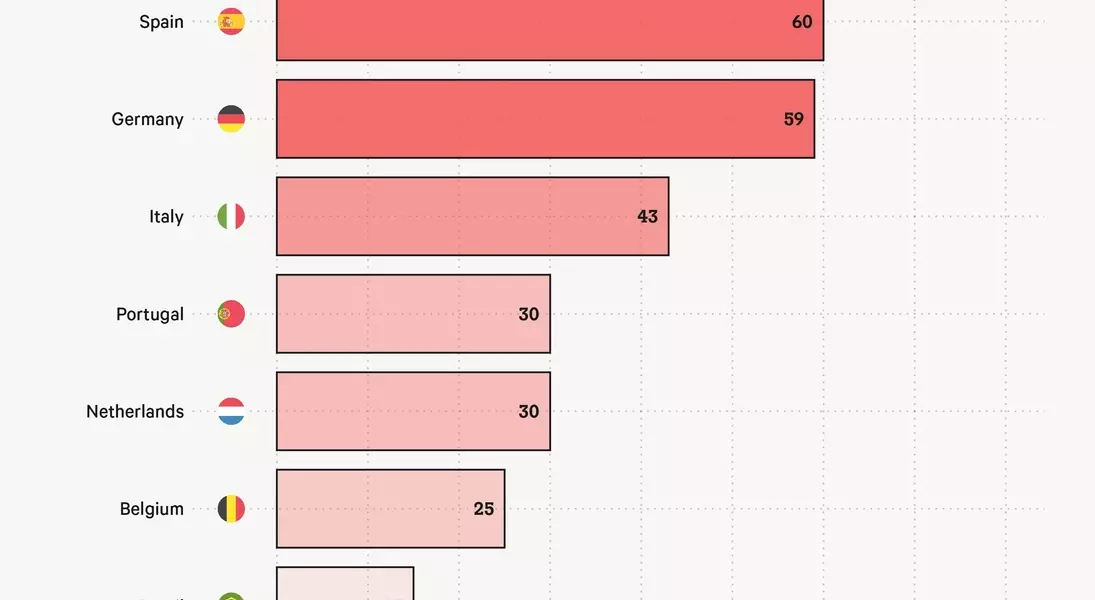
Secondly, the unparalleled financial might of the Premier League plays a pivotal role. As highlighted by UEFA's latest financial reports, the Premier League's collective revenue, amounting to an astounding €7.1 billion in 2023, dwarfs that of other major European leagues. This immense wealth, bolstered by lucrative domestic and international television rights deals—such as the recent £6.7 billion four-year agreement commencing in the 2025-26 season—empowers Premier League clubs, particularly the 'Big Six', to offer superior transfer fees and more attractive salaries. This financial dominance allows them to secure established players within the league, bypassing the uncertainties of adapting to a new country and playing style, and instead opting for individuals already proven in the competitive Premier League environment. As Manchester United's head coach, Ruben Amorim, aptly noted, the ability to observe a player's performance against direct rivals every weekend provides a higher degree of certainty when making acquisition decisions. This confluence of enhanced domestic talent production and overwhelming financial power positions the Premier League's 'Big Six' in a prime position to 'harvest' the best of what the domestic market has to offer, signaling a fascinating new chapter in English football transfers.
From a journalist's perspective, this burgeoning trend in the Premier League's transfer market reveals more than just financial muscle; it highlights a profound evolution in strategy and a growing maturity within the English football ecosystem. The shift towards acquiring established domestic talent signifies a calculated risk assessment by the 'Big Six' clubs. Instead of the costly and often uncertain gamble on foreign imports who may struggle to adapt to the league's unique intensity and culture, these clubs are now prioritizing players already acclimatized to the Premier League's demands. This isn't merely about convenience; it's about optimizing performance and minimizing integration periods, crucial factors in the cutthroat race for titles and European qualification.
Moreover, this trend speaks volumes about the success of development programs like EPPP. It validates the immense investment in youth academies across the country, proving that English football is increasingly capable of producing its own world-class talent. For fans, this could mean more relatable transfers, with familiar faces moving between clubs and a stronger narrative of homegrown talent thriving at the highest level. However, it also raises questions about competitive balance. As the 'Big Six' consolidate the best domestic players, will it further widen the gap between the elite and the rest of the league? This dynamic will undoubtedly fuel debates for seasons to come, making the Premier League's transfer windows even more compelling than ever before.
