




This in-depth examination explores the intricate world of penalty kicks within the Premier League, analyzing data from the 2021-22 season onwards. It offers a unique perspective beyond standard league tables, focusing on conversion rates, the diverse techniques employed by various players, and the strategic choices clubs make regarding their designated penalty takers. By dissecting individual performances and team trends, this analysis sheds light on the factors contributing to success and failure from the spot, enriching our understanding of this crucial aspect of modern football.
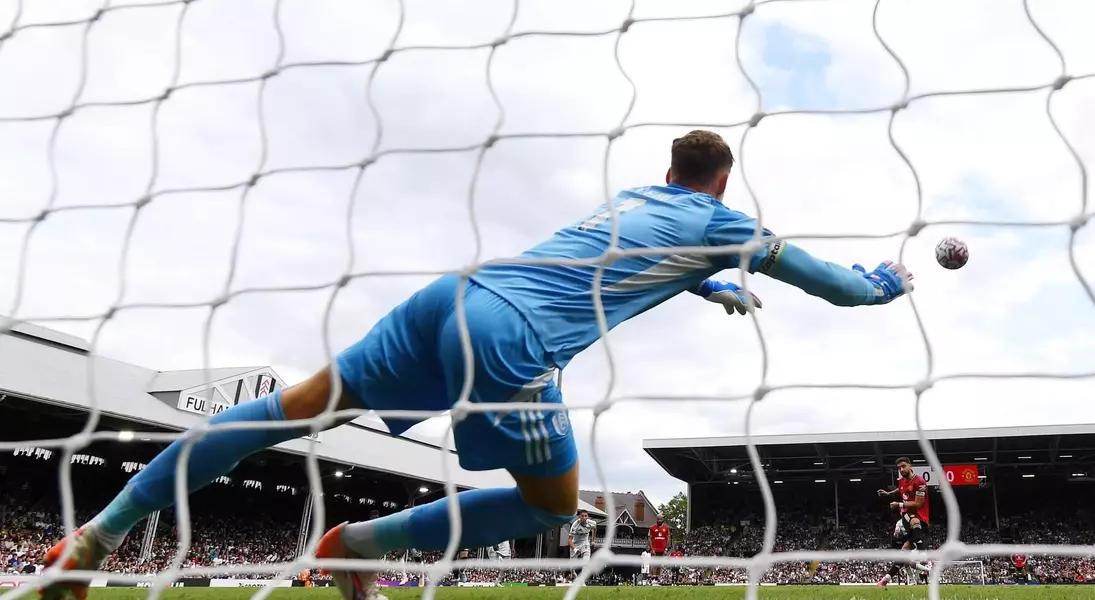
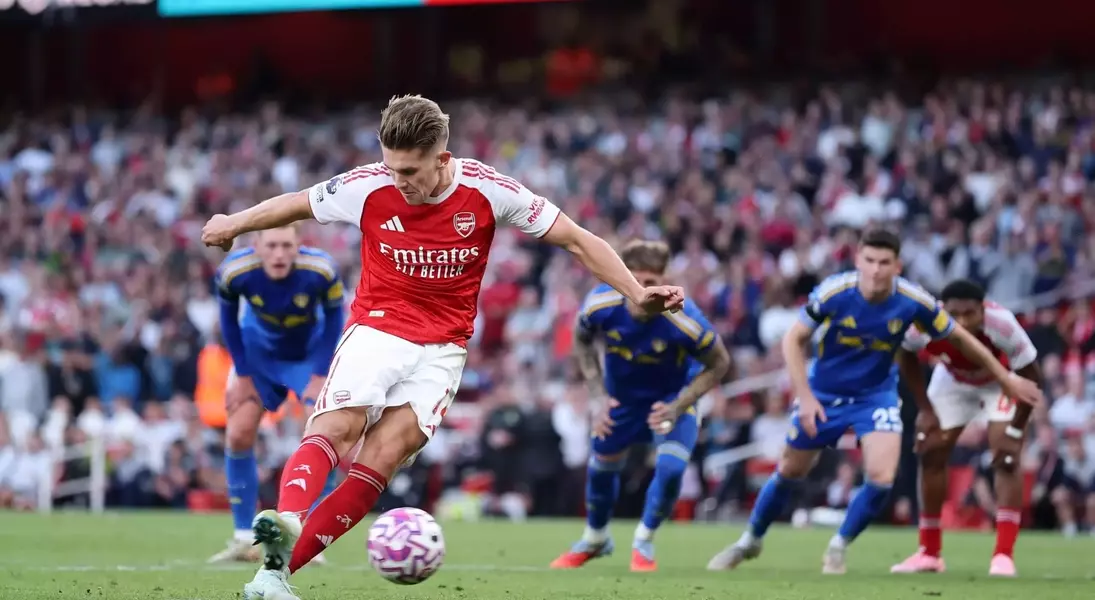
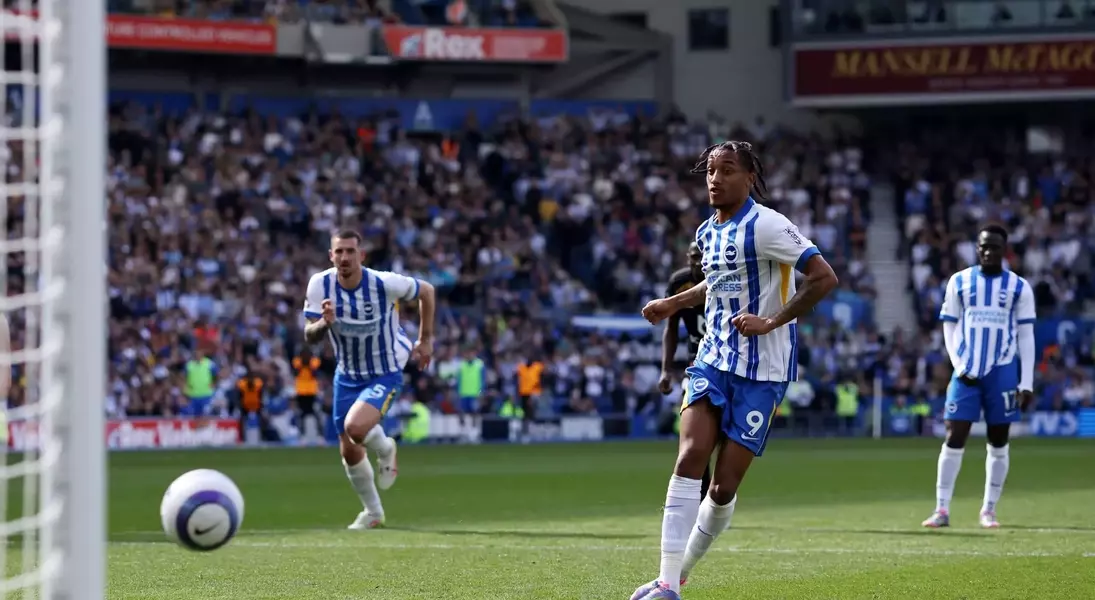
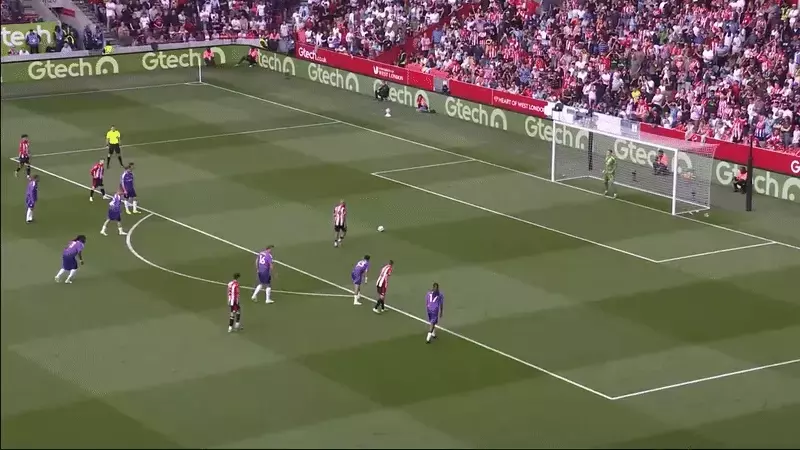
The study highlights how penalty situations can drastically alter game outcomes, with recent matchweek two encounters providing stark examples: a successful conversion by Viktor Gyokeres for Arsenal, a missed opportunity by Danny Welbeck for Brighton, and a wayward strike from Bruno Fernandes for Manchester United. This latter incident was particularly notable, as it preceded Manchester United's Carabao Cup exit after a penalty shootout against League Two side Grimsby Town.
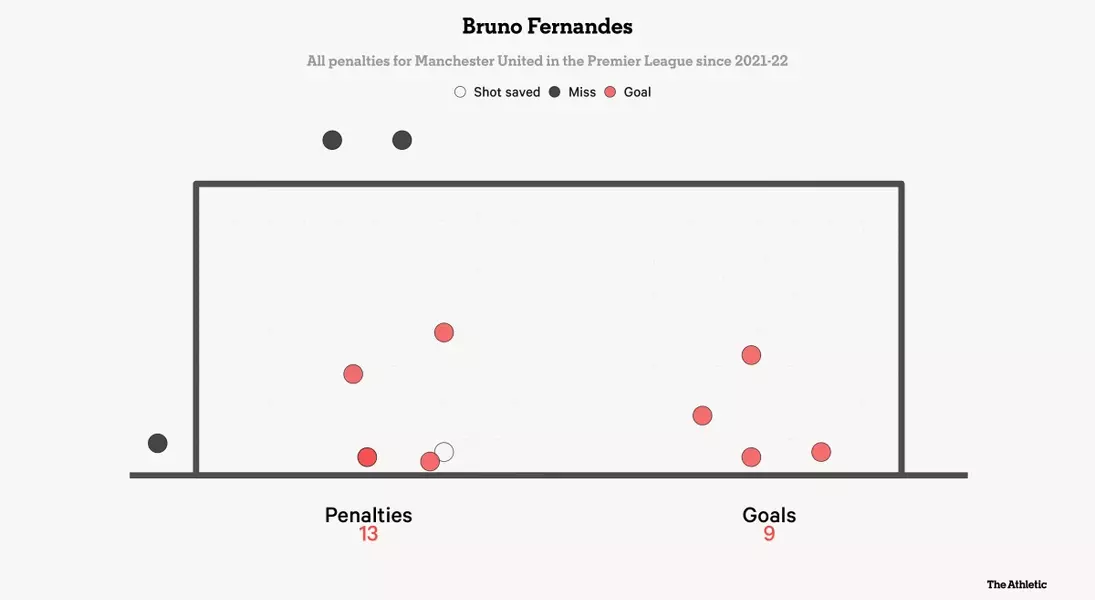
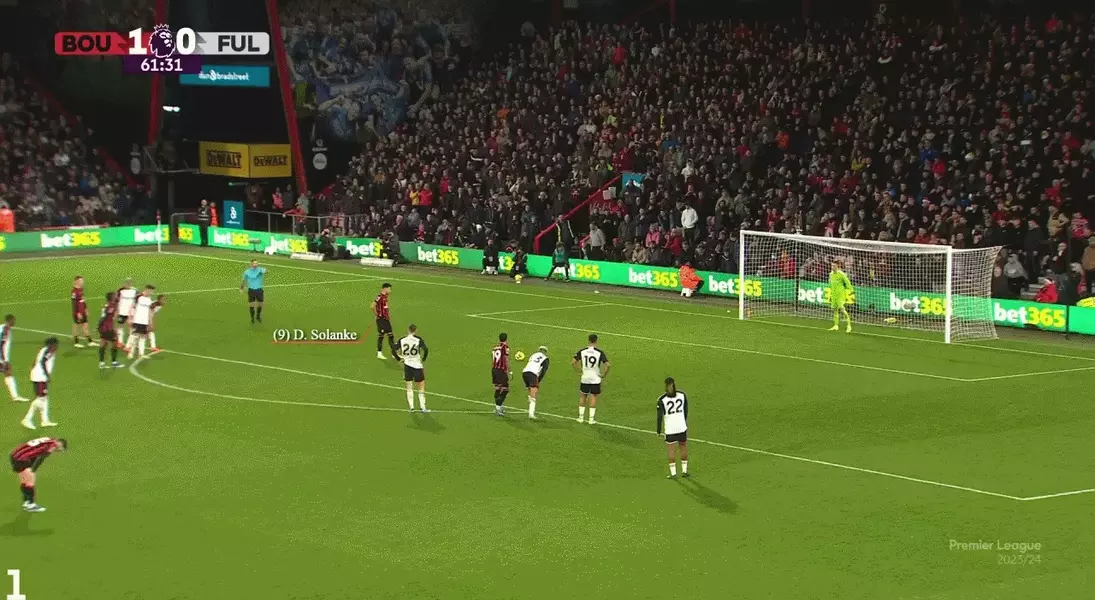
A significant portion of the analysis focuses on Bruno Fernandes, whose penalty technique and recent misses for Manchester United are scrutinized. Since joining in January 2020, Fernandes has had four Premier League misses, with his recent attempt against Fulham mirroring a previous miss against Aston Villa. Both instances saw him deviate from his characteristic short run-up and stutter, opting for a longer, more powerful approach that proved unsuccessful. Despite these missteps, his overall technique remains largely effective, often involving him waiting for the goalkeeper to commit before striking. The article also touches upon other Manchester United penalty takers, including Marcus Rashford and the brief re-emergence of Cristiano Ronaldo as a penalty option, who boasts a near-perfect conversion record for the club.
Arsenal's approach to penalties is characterized by a high number of different takers, with nine players stepping up for their 25 penalties since 2021-22. This rotation, seen in recent successful conversions by Gyokeres, Martin Odegaard, and Bukayo Saka, is attributed to Mikel Arteta's team culture, which encourages various players to take on the responsibility, sometimes to boost confidence. Past issues with penalty takers like Pierre-Emerick Aubameyang and Alexandre Lacazette are also noted, alongside Saka's solitary miss in this period.
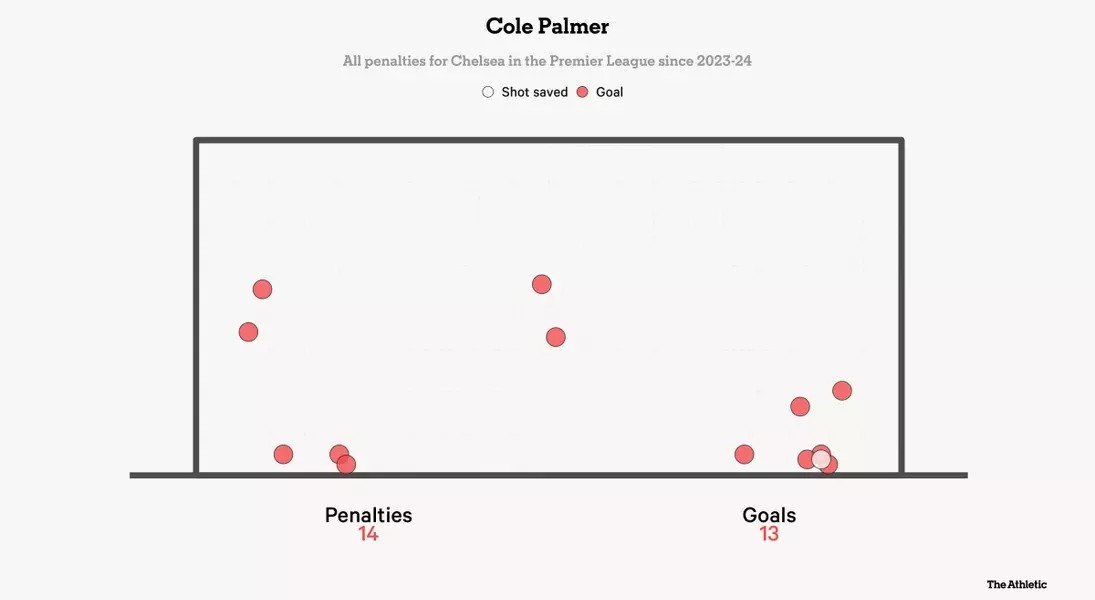
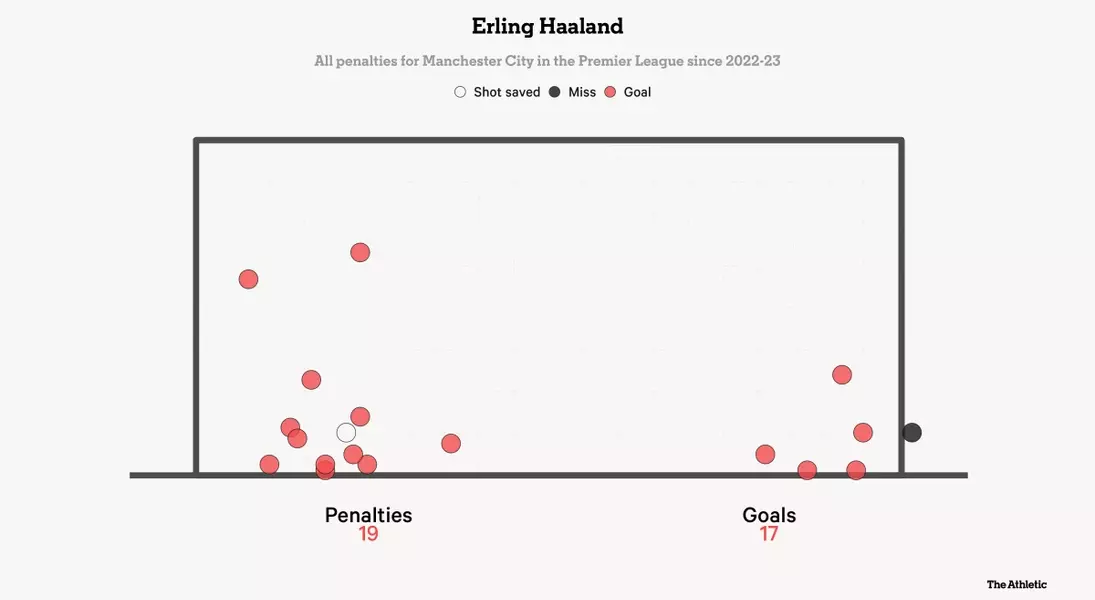
Chelsea, another 'Big Six' club, has utilized seven different penalty takers in the last four seasons. Cole Palmer has emerged as the primary choice, succeeding Jorginho. Palmer's technique, involving short sprints and powerful shots, has been largely successful, with only one miss from 14 attempts. The article recalls a notable incident where Noni Madueke and Nicolas Jackson disputed a penalty with Palmer, highlighting the internal dynamics around penalty duties within the squad. Manchester City, meanwhile, has found a consistent penalty specialist in Erling Haaland, who primarily targets the bottom corners with powerful, low-backlift strikes. City has also been awarded the most penalties among current Premier League teams since 2021-22, demonstrating their offensive prowess.
Beyond the traditional powerhouses, the analysis examines other teams. Wolverhampton Wanderers stand out for having the lowest number of penalties awarded (eight) but maintaining a perfect conversion rate since 2021-22, despite conceding the most penalties (31). Fulham, on the other hand, holds the unfortunate distinction of having the worst conversion rate, scoring only 16 of 22 penalties, largely due to Aleksandar Mitrovic's four misses in the 2022-23 season. Sunderland's penalty record, though improving, is still considered unimpressive, particularly after a difficult 2024-25 season where they struggled after the departure of key penalty taker Jack Clarke. Brighton faces a similar challenge after Joao Pedro, their most effective penalty taker, moved to Chelsea, leaving a void for a new primary taker like Matt O'Riley.
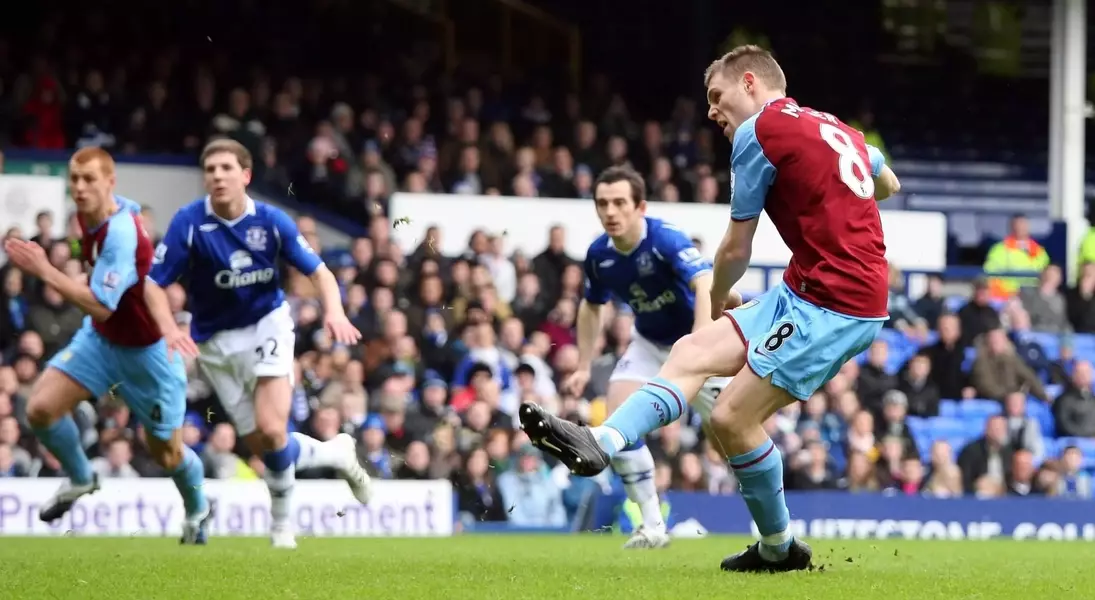
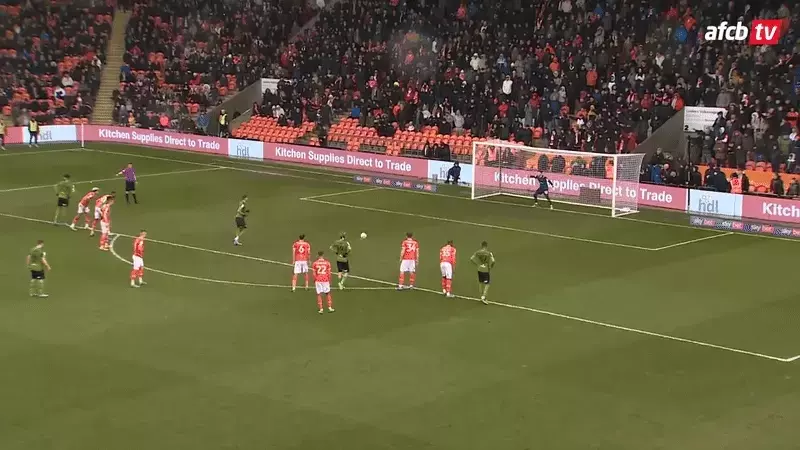
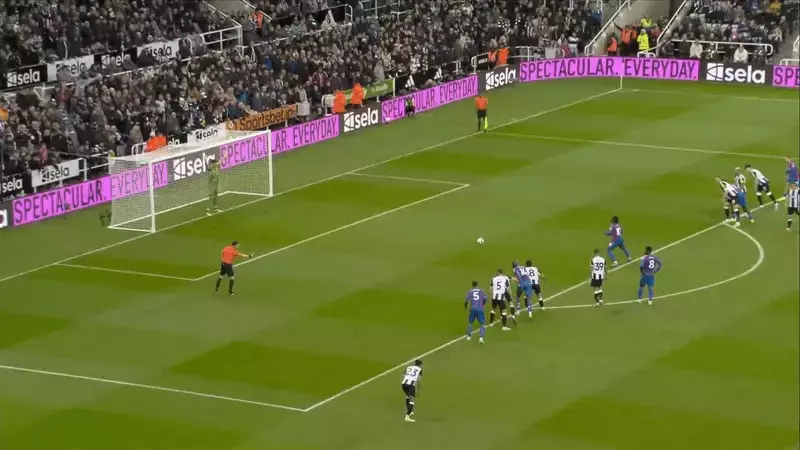
Further investigation reveals Bournemouth and Brentford's effective strategies in transitioning between penalty takers. Bournemouth has successfully moved from Josh King to Dominic Solanke, and now to Justin Kluivert, who has maintained a perfect scoring record. Brentford, after losing the prolific Ivan Toney, has seen Bryan Mbeumo effectively take over penalty duties. Nottingham Forest has found success with Chris Wood, who has not missed a penalty since 2016. Aston Villa, despite a high rotation of seven penalty takers, relies on Ollie Watkins, who has a strong conversion record, although they have had two misses in a single game. Newcastle's penalty situation is also discussed, with Anthony Gordon's record needing improvement, especially if Alexander Isak remains unavailable.
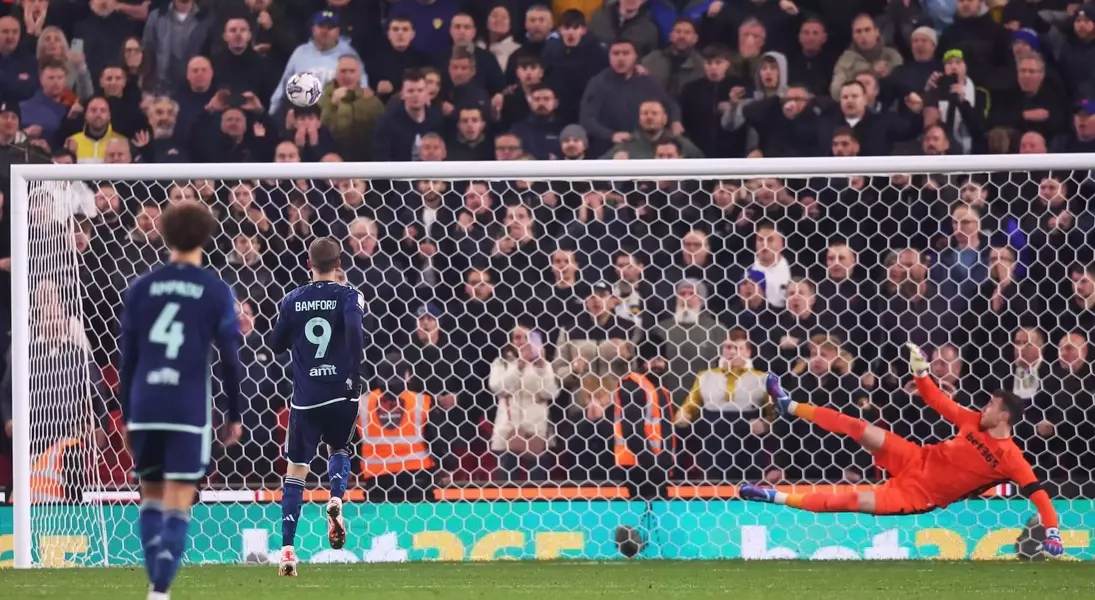
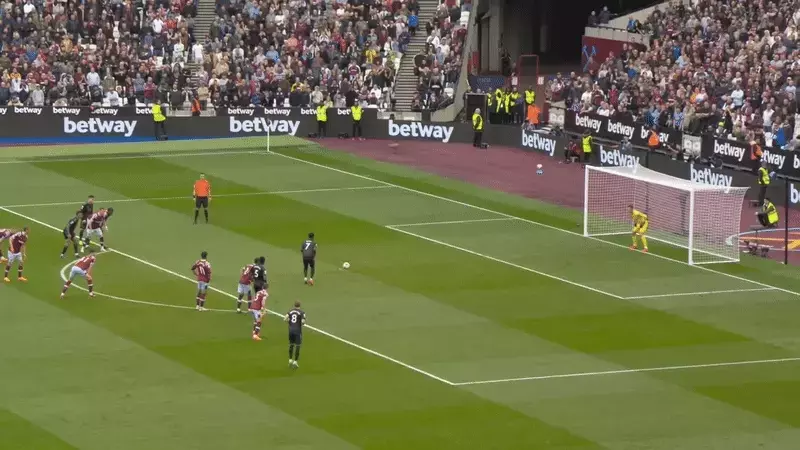
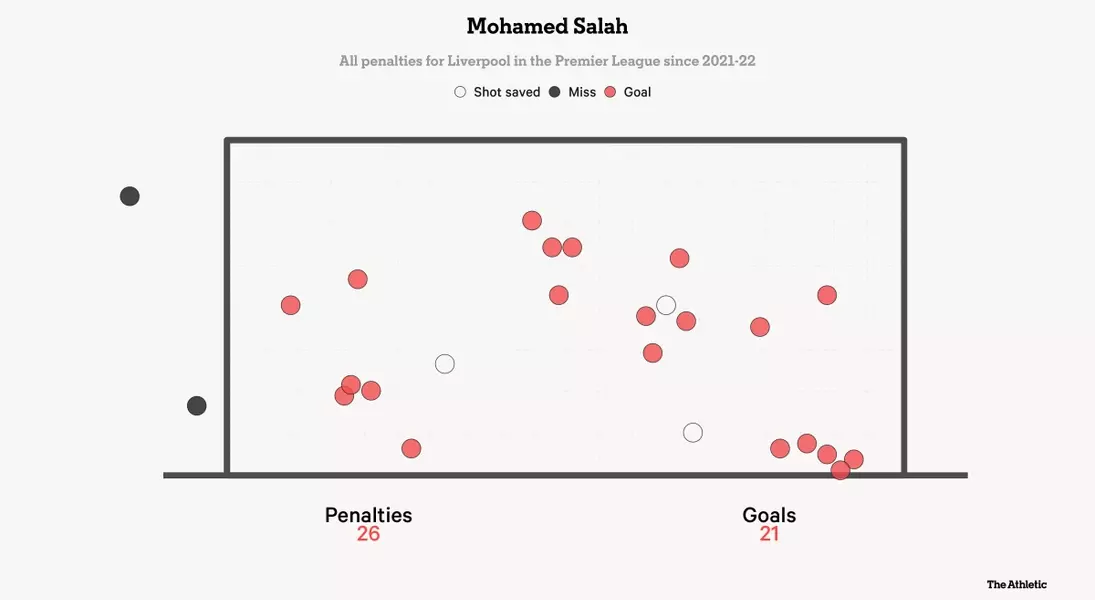
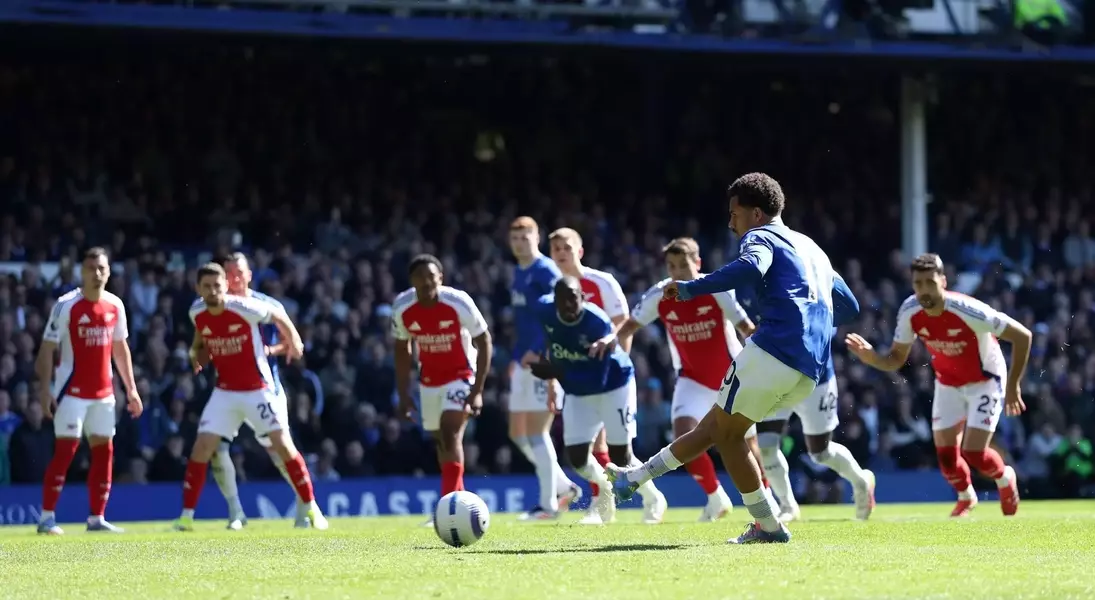
Liverpool leads the league in penalties won since 2021-22 and also has the most misses. Mohamed Salah, their primary taker, often opts for central placements, a strategy that has sometimes led to saves. Crystal Palace has also faced challenges from the spot, with former legend Wilfried Zaha experiencing a dip in form and Eberechi Eze's recent misses drawing criticism. Tottenham, despite being among the 'Big Six,' has won the fewest penalties, but has successfully transitioned from Harry Kane to Son Heung-min, and now potentially to new signings. Finally, Everton and Burnley, despite fewer penalties awarded, demonstrate varying levels of success, with Everton showing some consistency in their current taker, Iliman Ndiaye, and Burnley maintaining a strong scoring streak. Leeds United and West Ham round out the list, each with their own struggles and successes from the 12-yard mark, highlighting the diverse landscape of penalty-taking proficiency in the Premier League.
