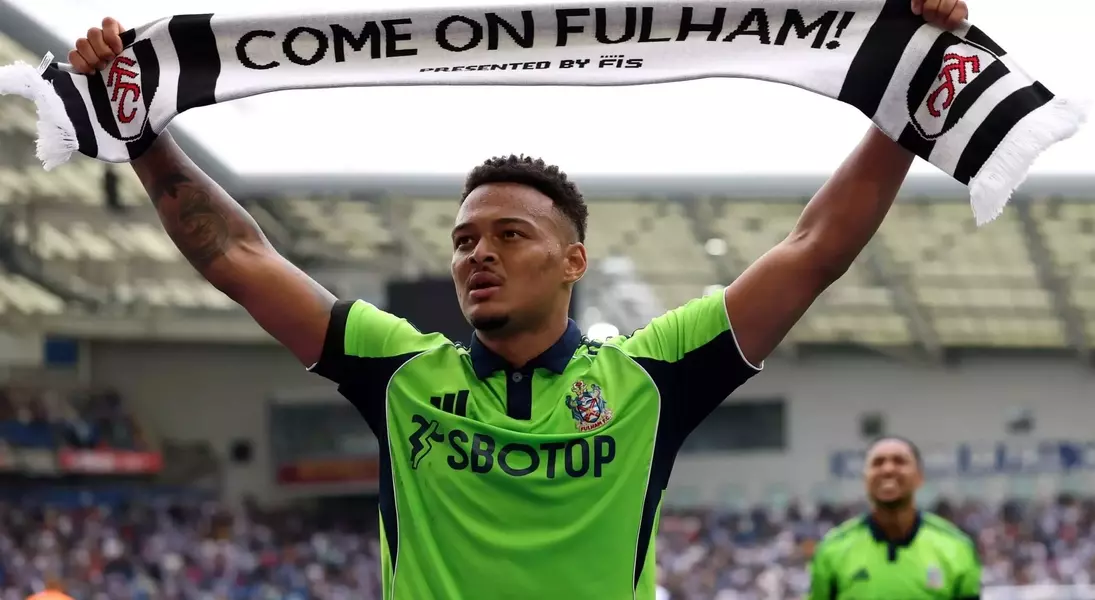
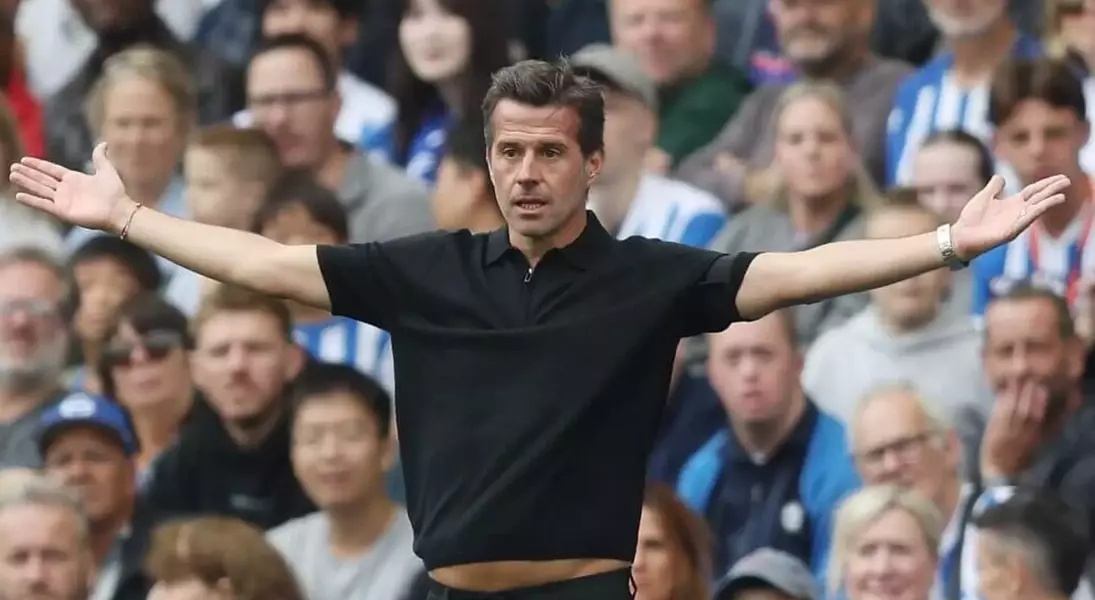

As the Premier League summer transfer window progresses, a growing sentiment of frustration among various club managers is becoming increasingly evident. Despite the league's immense wealth and global appeal, several coaches are openly lamenting the minimal activity in player recruitment, particularly concerning first-team reinforcements. This situation, exemplified by Fulham's Marco Silva, highlights a significant disparity in transfer strategies across the league, with some larger clubs completing their business early, while others grapple with financial constraints and a slow market. The lack of fresh talent is causing apprehension among managers about their teams' ability to compete and improve upon previous seasons, sparking public comments and raising questions about the ambition and operational efficiency of certain club administrations.
Marco Silva, the head coach for Fulham, has been particularly vocal about his team's inactivity in the transfer market. As of August 2025, Fulham had secured only one new player, goalkeeper Benjamin Lecomte, who is largely expected to be a reserve. This sole acquisition, costing a modest £500,000, stands in stark contrast to the aggressive spending of many top-tier clubs. Silva's exasperation stems from the fact that Fulham has not yet signed a single player intended for their starting eleven since the transfer window opened on June 1, 73 days prior. He articulated his disappointment in a press conference before the Brighton match, describing the situation as 'not ideal' and emphasizing the urgent need for squad reinforcement, especially in positions where the team is currently understaffed. His comments underscore a feeling of being left behind while competitors strengthen their ranks.
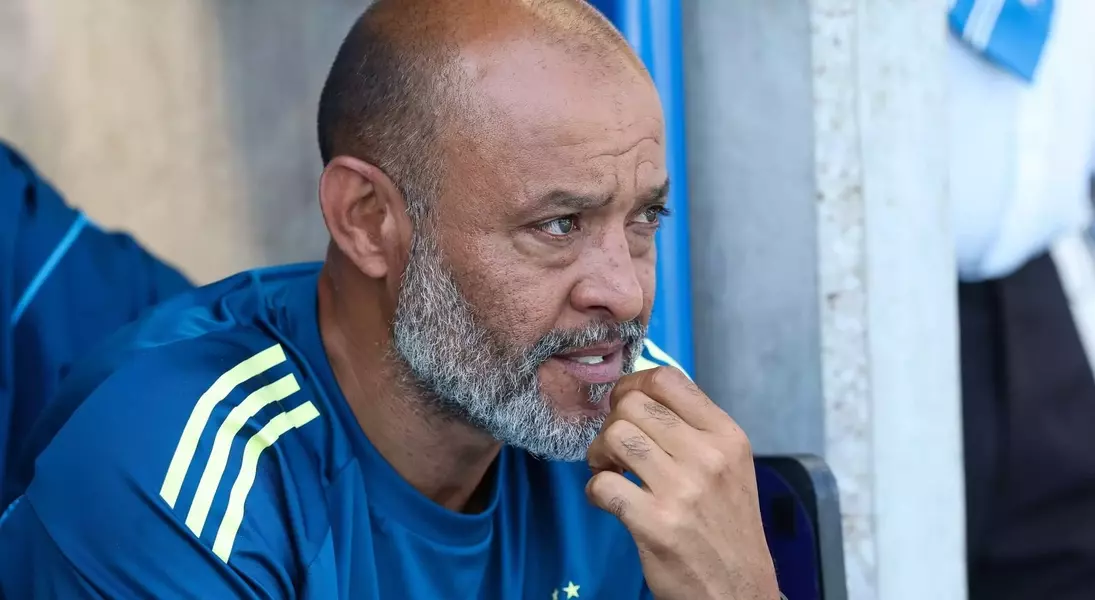
Silva is not alone in his predicament. A significant portion of Premier League managers have voiced similar concerns, indicating a widespread issue of stagnation in player movement. Nuno Espirito Santo of Nottingham Forest, despite his club making some notable signings like Omari Hutchinson and James McAtee, still expressed worries about lingering doubts and the slow pace of new arrivals. Chelsea's Enzo Maresca publicly stated his desire for a new central defender following Levi Colwill's injury, signaling that even at a club with considerable resources, recruitment challenges persist. Vitor Pereira of Wolves lamented the 'strange market' and his team's reduced numbers after several departures with insufficient replacements. Crystal Palace's Oliver Glasner, looking ahead to a historic European campaign, hinted at private frustration over the lack of significant additions, emphasizing the importance of proactive planning over reactive dealings in the transfer market.
The disparity in transfer activity is starkly evident when comparing the league's top financial powerhouses with mid-table and lower-tier clubs. Teams like Manchester City, Arsenal, Liverpool, and Chelsea collectively spent approximately £500 million on 13 first-team players by early July, quickly securing their targets. This early surge of spending has meant that money has taken time to circulate back into the market, leaving clubs with more modest revenues and those grappling with financial fair play regulations to patiently await opportunities. Fulham's situation is seen as particularly critical given Silva's contract expires next summer, adding pressure to an already tense environment. The club's reliance on familiar faces for their opening match against Brighton, with only minor changes from the previous season's squad, further highlights the lack of fresh impetus. The rejection of a €30 million bid for Kevin from Shakhtar Donetsk underscores the difficulties in securing desired talents.
The current climate raises questions about the ambitions of club owners who invest heavily in infrastructure, such as Fulham's £350 million refurbishment of Craven Cottage's Riverside Stand, but appear reluctant to invest in the playing squad. The potential sale of young talent like Rodrigo Muniz, a rare example of player development at Fulham, could further exacerbate fan and managerial discontent. While there are some positives, such as the emergence of academy graduates like Josh King and contract extensions for key players like Kenny Tete and Tom Cairney, the overall picture suggests a challenging season ahead if significant reinforcements are not made. The prevailing sentiment is that without substantial squad improvements in the coming weeks, many teams risk moving backward in the competitive landscape of the Premier League, irrespective of their back-up goalkeeper's quality.
