Football clubs in the Premier League are increasingly incorporating strategic buy-back clauses into their player transfer agreements. This sophisticated approach allows top-tier teams to sell developing talents for significant fees while retaining the right to reacquire them if their performance excels. This not only offers a financial return on investment but also provides a pathway for homegrown or previously developed players to potentially return to their parent clubs, ensuring long-term squad depth and continuity.
This detailed analysis examines how various prominent clubs, including Liverpool, Manchester United, Aston Villa, Chelsea, and Manchester City, are leveraging these clauses. It explores specific cases where these options have been, or could potentially be, activated, alongside instances where they are unlikely to be utilized due to differing circumstances. The implementation of such clauses reflects a forward-thinking strategy in player management, balancing immediate financial gains with future sporting potential, and highlights the evolving landscape of football transfers.
Strategic Reacquisition: A New Era in Player Management
The modern football transfer market has seen a notable rise in the use of buy-back clauses, transforming how clubs manage their youth academies and player development pathways. This innovative contractual tool allows selling clubs to secure immediate transfer fees while maintaining an exclusive option to repurchase a player at a predetermined price or under specific conditions in the future. This strategy is particularly beneficial for top-tier clubs, enabling them to offload promising but currently surplus talents, providing them with valuable playing time elsewhere, and then bringing them back into the fold once they have matured and gained experience. It mitigates the risk of losing out on a player's potential long-term value, ensuring that clubs can benefit from their extensive scouting and youth development programs over an extended period.
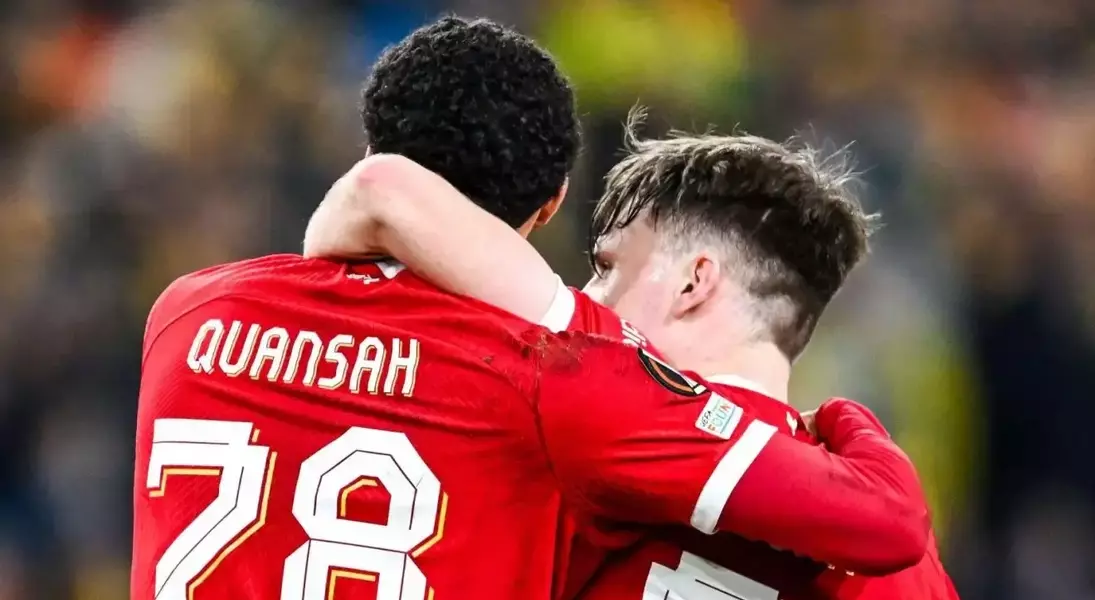
For instance, Liverpool has employed this tactic with players like Bobby Clark, Ben Doak, and Jarell Quansah, securing substantial fees while embedding provisions for their potential return. Similarly, Manchester United has included buy-back options for young prospects such as Willy Kambwala, Facundo Pellistri, Hannibal Mejbri, and notably, Mason Greenwood, though the circumstances surrounding the latter's clause are unique. Aston Villa and Manchester City also utilize these clauses, as seen with Aaron Ramsey, Gavin Bazunu, Juan Larios, Sam Edozie, and James McAtee, respectively. This widespread adoption underscores a league-wide trend towards more nuanced and protective transfer policies. These clauses not only protect the initial investment in player development but also create a dynamic system where players can gain crucial experience, potentially returning as more valuable assets, thus demonstrating a sophisticated approach to squad building and financial prudence within the fiercely competitive Premier League landscape.
Navigating the Complexities of Buy-Back Agreements
The implementation of buy-back clauses is not without its complexities and strategic considerations. While they offer a safety net for clubs, ensuring they do not prematurely lose future stars, the decision to activate such a clause is influenced by numerous factors, including the player's development trajectory, the club's current needs, and the financial implications. The success of a buy-back option hinges on a delicate balance between a player's performance during their time away and the economic viability of their return. Clubs must carefully monitor their former players, assessing whether their growth justifies the re-investment, especially given the rapid fluctuations in player valuations and market conditions.
Consider the contrasting scenarios: while Liverpool's clauses for Clark, Doak, and Quansah indicate a clear intention to potentially reintegrate them, the likelihood of Manchester United activating the buy-back for Mason Greenwood is significantly lower due to non-sporting factors, despite the contractual possibility. Similarly, Chelsea's buy-back for Diego Moreira sold to Strasbourg, a partner club, highlights a different dimension where strategic affiliations rather than performance alone might drive such clauses. Manchester City's approach with players like Bazunu, Larios, and Edozie, while having clauses, reflects a recognition that not all talents will reach the required level for a return to a top-tier squad. These varied applications demonstrate that buy-back options are more than just financial safeguards; they are intricate tools that require continuous evaluation and strategic foresight, adapting to the ever-changing demands of professional football. The foresight involved in these agreements reflects a broader shift towards sustainable and strategically informed club management in the Premier League, where long-term vision intertwines with immediate financial realities.
