
This feature delves into the directorial vision behind 'Motor City,' a film that eschews extensive dialogue in favor of powerful visual and musical storytelling. Director Potsy Ponciroli offers an exclusive look into the creative process, from the film's challenging two-decade development to his collaborative efforts with a talented cast and the unique role of a classic rock soundtrack.
Experience 'Motor City': A Symphony of Silence and Sound
The Long Road to the Big Screen: 'Motor City's' Enduring Journey
After two decades in development, 'Motor City' has finally premiered. Director Potsy Ponciroli discusses the unique challenges and triumphs of bringing this long-awaited project to fruition. He recounts how the script, penned by Chad St. John, resonated with him due to its distinctive narrative style, which prioritizes physical performances and visual cues over extensive dialogue. Ponciroli's journey to directing the film was unconventional, involving an initial rejection followed by a second opportunity that saw him passionately pitch his vision, ultimately securing the role.
Crafting Characters Through Silence: A Dialogue-Free Approach
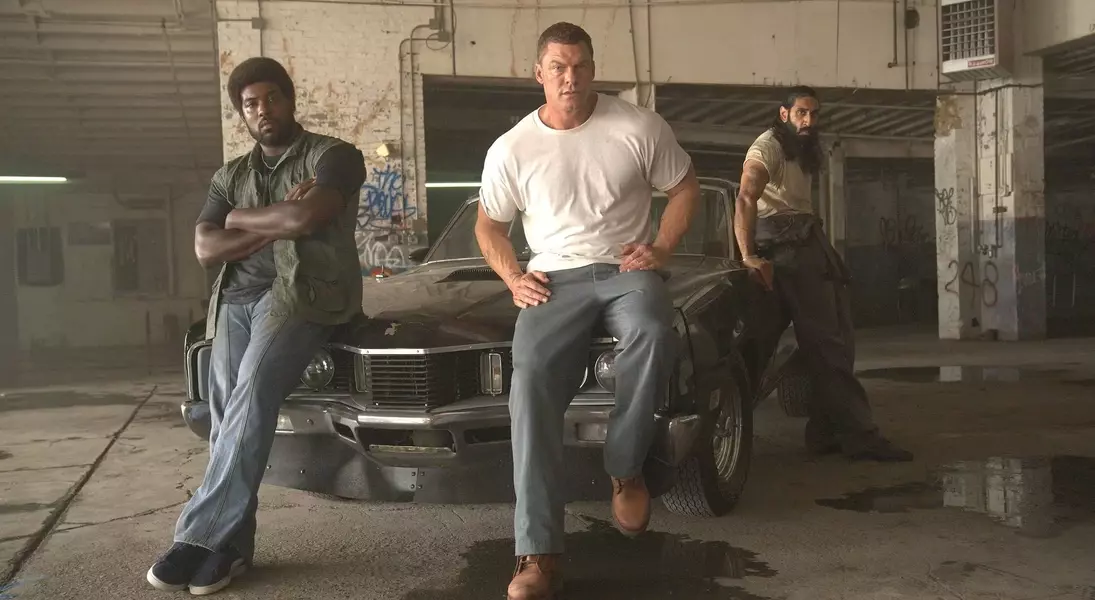
Ponciroli elaborates on his method for directing actors in a film with minimal dialogue. He aimed for authentic, subtle performances, avoiding any sense of pantomime. This involved extensive pre-production discussions with the cast, including Alan Ritchson, Shailene Woodley, and Ben Foster, to deeply understand their characters' motivations and emotional landscapes. A notable anecdote involves creating personalized Spotify playlists for the actors, helping them immerse themselves in their roles by connecting with the characters' musical tastes and emotional states. This meticulous preparation ensured that when filming began, everyone was aligned with the narrative and character arcs.
The Art of Non-Verbal Communication: Actors Embrace the Challenge
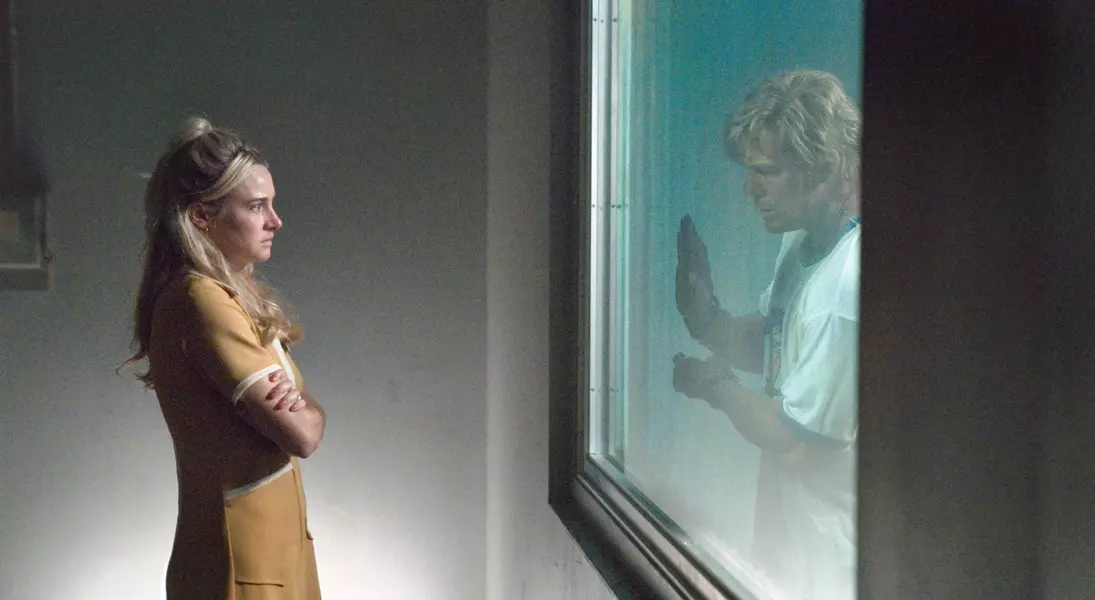
The director highlights how the film's lack of dialogue became a compelling draw for the actors, offering them a unique opportunity to explore non-verbal communication. He cites a powerful scene between Shailene Woodley and Ben Foster, where a reconciliation is portrayed entirely through subtle actions and expressions, guided by Ponciroli's insightful direction: "The first person to speak usually loses." This challenging yet rewarding approach allowed the cast to deliver deeply nuanced performances, captivating audiences without uttering a single word.
Music as a Narrative Force: The Soundtrack of 'Motor City'
Ponciroli discusses the integral role of classic rock music in 'Motor City,' emphasizing how certain songs became foundational to key sequences. He reveals that tracks like "Nights in White Satin" were envisioned for specific scenes, such as the prison break, even before filming commenced. The editing process involved meticulous synchronization of music with visuals, sometimes requiring creative adjustments to enhance the emotional impact. The serendipitous placement of "The Chain" during a critical scene, where its tempo shifts perfectly aligned with the narrative, further illustrates the organic and powerful connection between the film's score and its storytelling. Ben Foster's on-set boombox playing "Cat People (Putting Out Fire)" also inspired the inclusion of that track, cementing music as a character in itself.
Visual Storytelling: Details That Speak Volumes
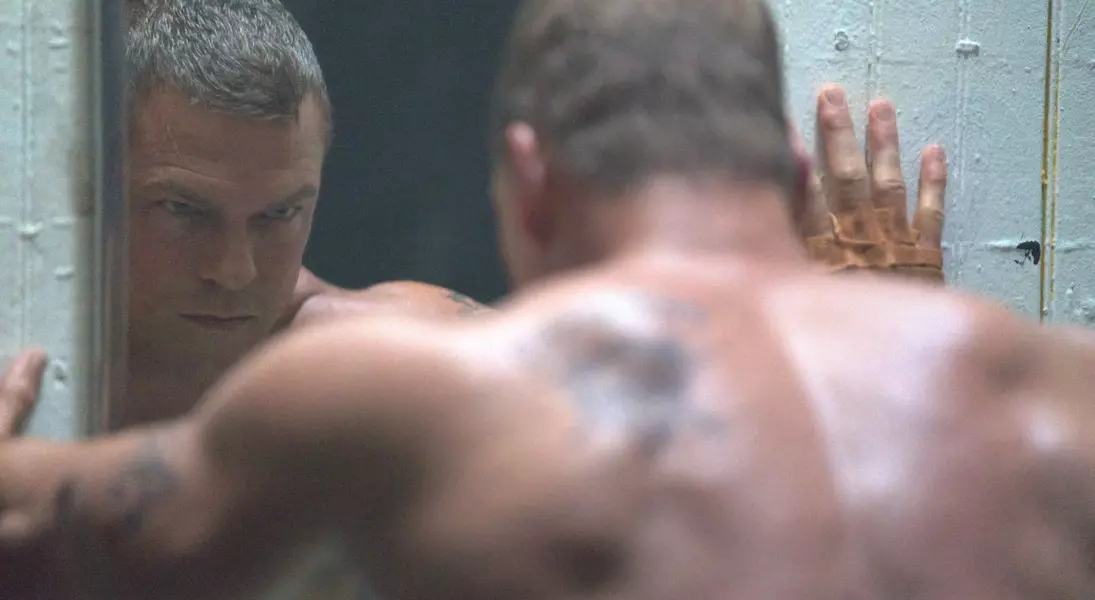
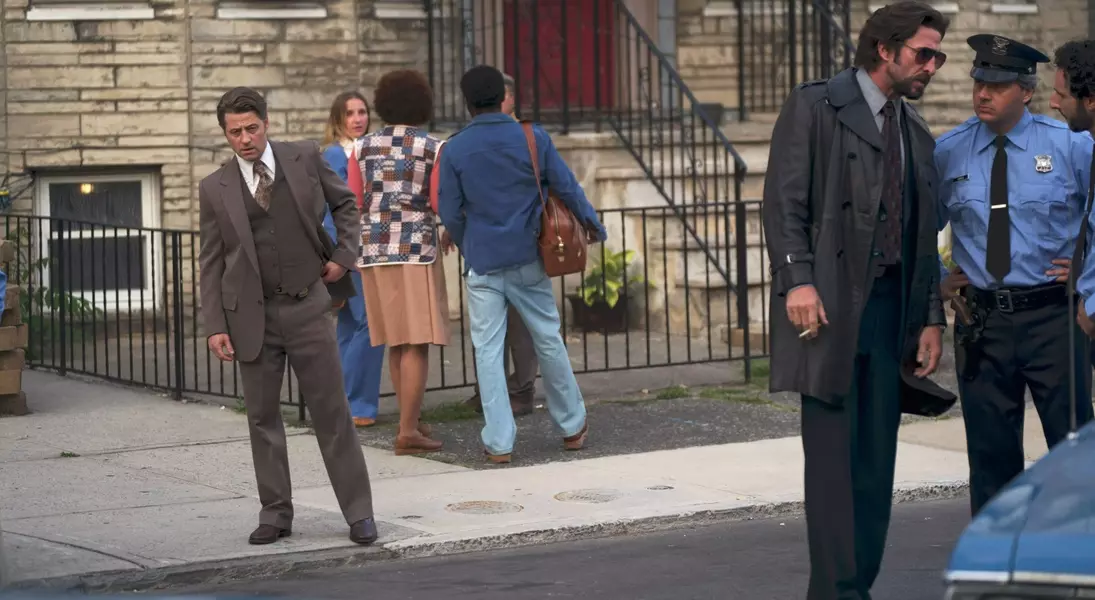
In a film deliberately sparse on dialogue, visual details become paramount for conveying narrative and character depth. Ponciroli explains that while some elements, like newspaper clippings and Ranger tattoos, were integral to the original script, others evolved during production. He recounts an instance where a challenging scene with Ben McKenzie and Shailene Woodley, meant to be dialogue-free, was reimagined through a unique camera perspective within a cafe, allowing the audience to witness the unfolding drama from an external, observational viewpoint. This innovative use of visual elements ensures that every frame contributes to the film's rich storytelling tapestry.
Collaboration and Trust: A Director's Insight into Working with Talent
Reflecting on his experiences, Ponciroli emphasizes the importance of trust and collaboration when working with acclaimed actors. He expresses gratitude for the willingness of performers like Tim Blake Nelson, Joseph Gordon-Levitt, Lily James, and the 'Motor City' ensemble to engage in his unique creative process. He shares an anecdote about how Shailene Woodley, after reading the '70s Detroit-set script with its no-dialogue premise, eagerly pursued a role in the film. This mutual respect and shared passion for storytelling have been instrumental in his successful collaborations.
A Cinematic Experience: The Audience's Takeaway
Ponciroli hopes that 'Motor City' leaves a lasting impression on audiences, particularly highlighting the intense elevator fight scene as a standout moment. He encourages viewers to embrace the film's unique narrative style, urging them to immerse themselves fully without distractions. He emphasizes that the film's dialogue-light approach is not a gimmick but a deliberate storytelling choice, promising a "fun, enjoyable, actiony, dramatic ride" that will resonate long after the credits roll.
Approaching a Beloved Legacy: The Challenge of 'Goonies 2'
Ponciroli briefly touches upon his involvement in writing the script for 'Goonies 2,' acknowledging the immense legacy of the original film. He describes 'The Goonies' as his all-time favorite movie and a key inspiration for his career, recognizing the delicate balance required to create a sequel that honors the beloved classic without simply trying to recreate its magic. He emphasizes his personal connection to the project, stemming from his childhood admiration for the film's sense of adventure and fun.
