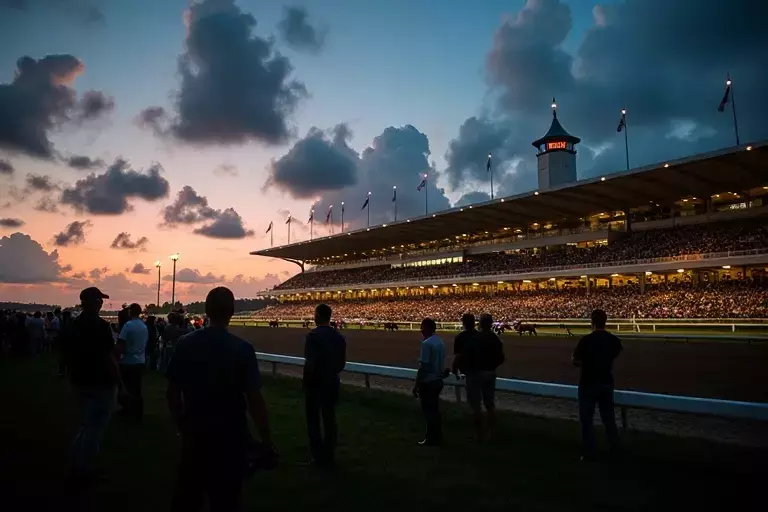



A notable figure in the thoroughbred racing world has expressed interest in acquiring Gulfstream Park, signaling a potential shift in ownership dynamics. Mike Repole, a prominent thoroughbred owner, stated he would be keen to purchase the Florida-based track while affirming his commitment to continuing races there. This announcement comes amid ongoing discussions about legislative changes that could significantly impact the state's racing industry. Repole also highlighted his opposition to decoupling legislation and plans to support local stakeholders by attending an upcoming sale event.
Repole recently revealed his intentions regarding Gulfstream Park through an online post, noting that preliminary discussions have already taken place. However, Tiffany Steer, representing 1/ST Racing, which currently owns Gulfstream, did not respond to inquiries concerning these potential negotiations. In addition to expressing his purchasing interest, Repole emphasized his dedication to opposing decoupling measures, particularly those affecting the relationship between horse racing and casino gaming licenses.
Furthermore, Repole announced plans to attend the OBS spring 2-year-olds in training sale in Florida next week. His attendance aims to bolster the efforts of state horsemen against proposed decoupling laws. He strongly opposes such legislation, pointing out the significant role Kentucky-bred horses play in Florida’s pre-training programs. The issue gained traction after a Florida Senate committee approved a related bill on April 1, despite strong resistance from industry insiders.
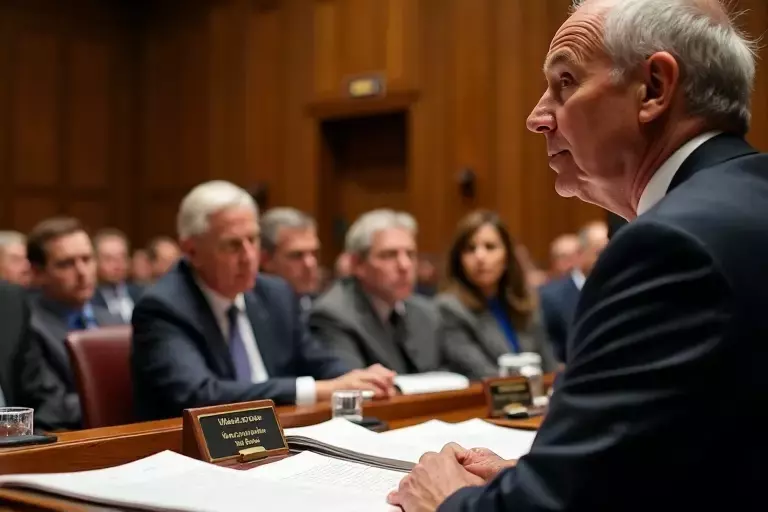
Danny Burgess, the Republican legislator sponsoring the Senate bill, acknowledged the emotional weight behind these discussions. He stressed the importance of reaching a compromise that safeguards Florida's racing sector. Under the current version of the bill, Gulfstream Park would be prohibited from severing ties with slot machines for three years, followed by a mandate to conduct at least four additional years of racing before any potential closure. In contrast, a House bill proposes shorter notice periods and fewer required racing years.
As tensions rise over legislative proposals impacting Florida's racing landscape, Repole's stance offers both a financial opportunity and a strategic alliance for preserving the sport. His involvement underscores the urgency and complexity surrounding these issues, as all parties strive to protect their livelihoods while navigating challenging legal and economic waters.
