Porsche's future looks set to expand with a renewed focus on both traditional combustion engines and innovative electric powertrains. The company is strategically collaborating with Audi to develop new models while maintaining its unique brand essence. This approach aims to address evolving market demands and strengthen Porsche's position across various segments, including high-volume SUVs and exclusive sports cars.
Porsche's Strategic Product Expansion and Collaboration with Audi
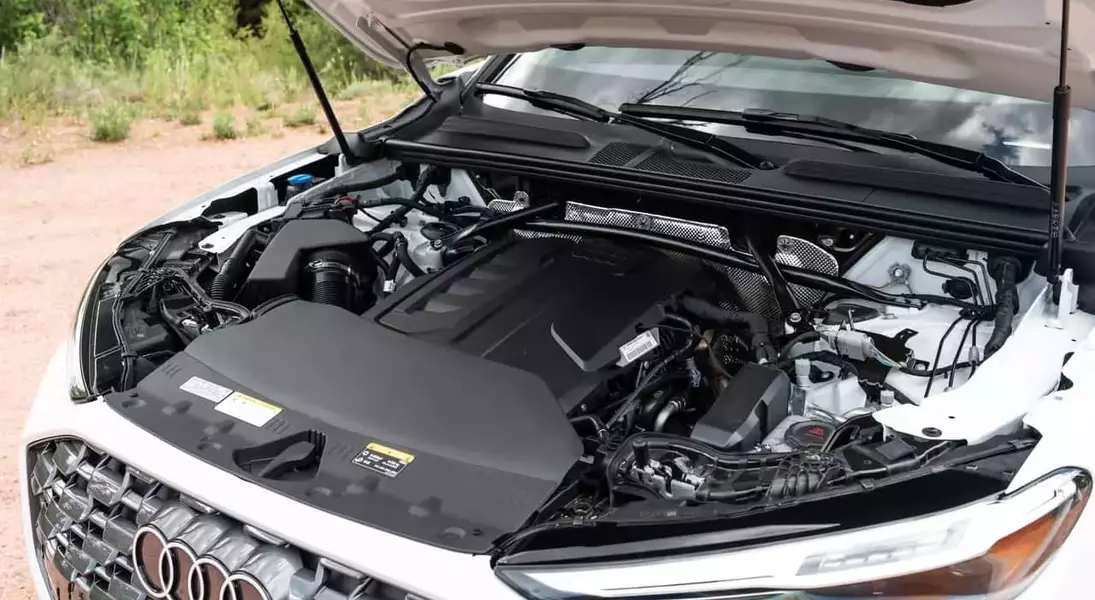
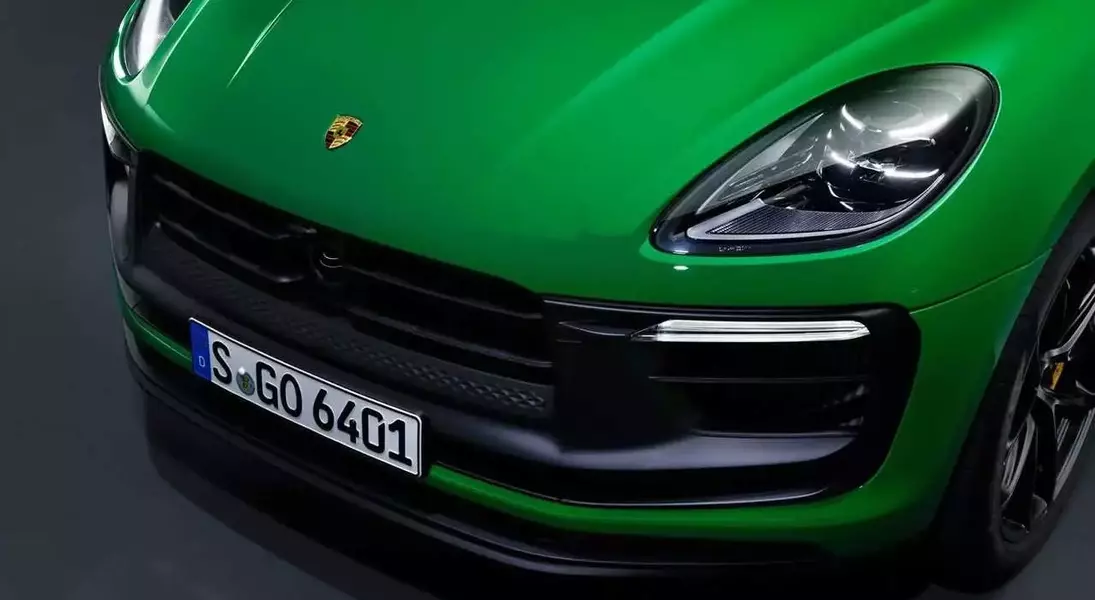
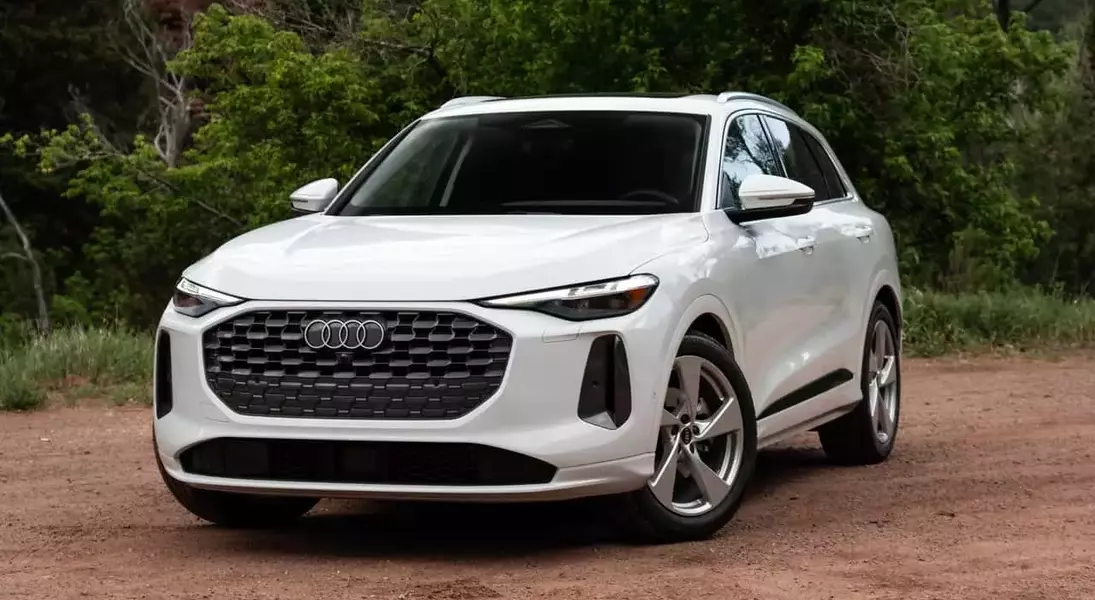
In a significant announcement, Porsche's CEO, Michael Leiters, confirmed that the forthcoming gasoline-powered SUV, intended as a successor to the current Macan, will be an authentic Porsche, not simply a badge-engineered Audi. This declaration came during a recent Q&A session following the company's annual conference, where Leiters emphasized the necessity of infusing the vehicle with substantial Porsche character and new technology, justifying the development timeline. The new crossover, sharing a platform with the Audi Q5, is projected to hit the market around 2028.
This initiative is part of a broader strategic partnership with fellow Volkswagen Group brand, Audi. Porsche is contributing a one-time license fee of €1 billion to Audi, an investment that covers joint development across several models for both marques. While details on all shared projects remain under wraps, this collaboration extends beyond the new Macan replacement. Potential beneficiaries include the electric 718 Boxster/Cayman models and Audi's Concept C, which is slated for production next year.
Additionally, Porsche is exploring a larger, three-row SUV positioned above the Cayenne. Initially envisioned as purely electric, this model is now expected to debut with robust combustion engines first, reflecting a pragmatic adaptation to market realities. Audi's CEO, Gernot Döllner, also confirmed the upcoming launch of the Q9 in the coming months, which could potentially lend its platform to Porsche's new large SUV.
Looking further ahead, Porsche is actively considering a new halo sports car, potentially a hypercar positioned above the iconic 911. Furthermore, there are discussions about a possible integration of the Taycan and Panamera lineups, suggesting a dynamic and evolving product strategy at Porsche's headquarters. Investors and enthusiasts can anticipate more updates on the company's product portfolio during the Capital Markets Day this autumn.
Porsche's commitment to developing distinctive vehicles, even when sharing platforms with sister brands, is a crucial strategic move. By ensuring that each model embodies the core values and performance characteristics associated with the Porsche brand, they can maintain customer loyalty and market positioning. This careful balance of leveraging group resources while preserving brand identity is essential for navigating the complex automotive landscape, especially as the industry transitions towards diverse powertrain options and new market segments.
