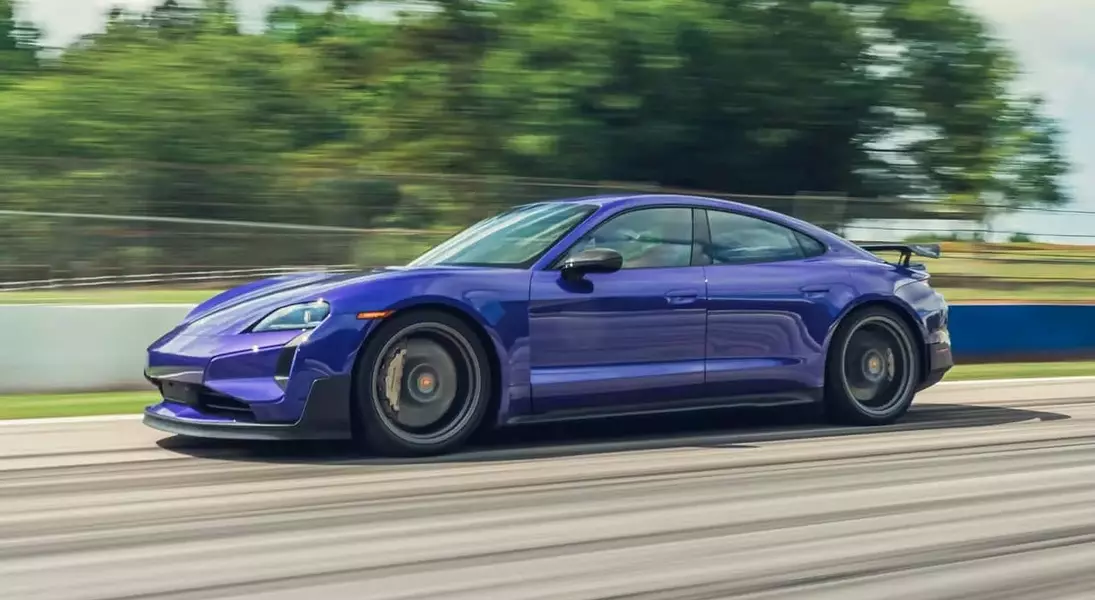
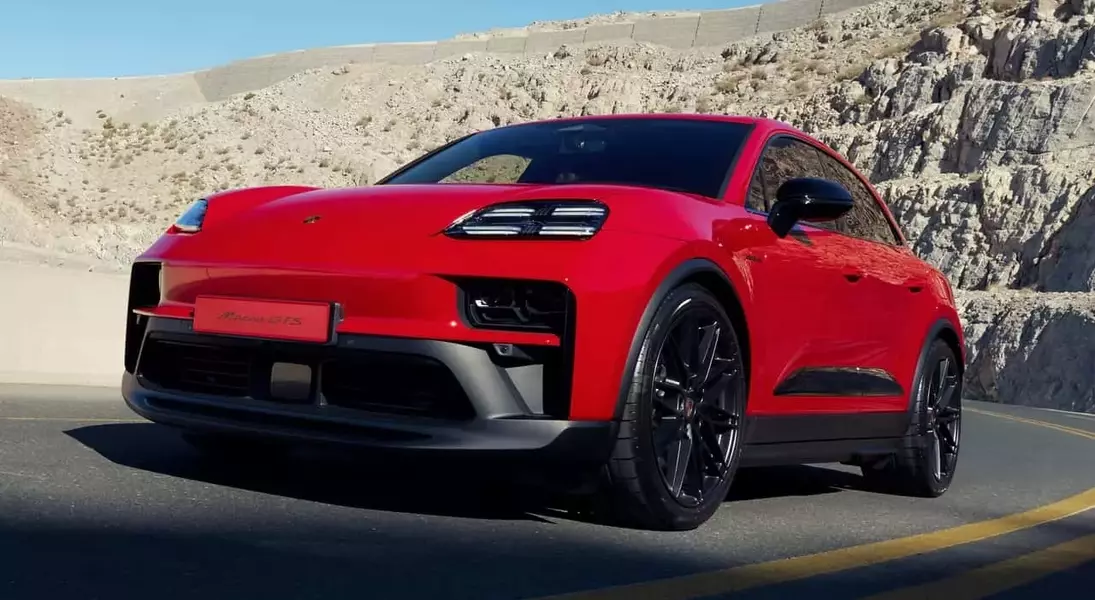
Porsche encountered a challenging start to 2026, with global vehicle deliveries in the first quarter plummeting by 15% compared to the same period in the preceding year. The luxury sports car manufacturer recorded a total of 60,991 units sold between January and March. This significant dip in performance is largely due to reduced consumer interest in major markets, notably China and North America, where demand for the brand's electric vehicles has been particularly soft. Concurrently, Porsche grapples with internal strategic decisions that have created voids in its product offerings.
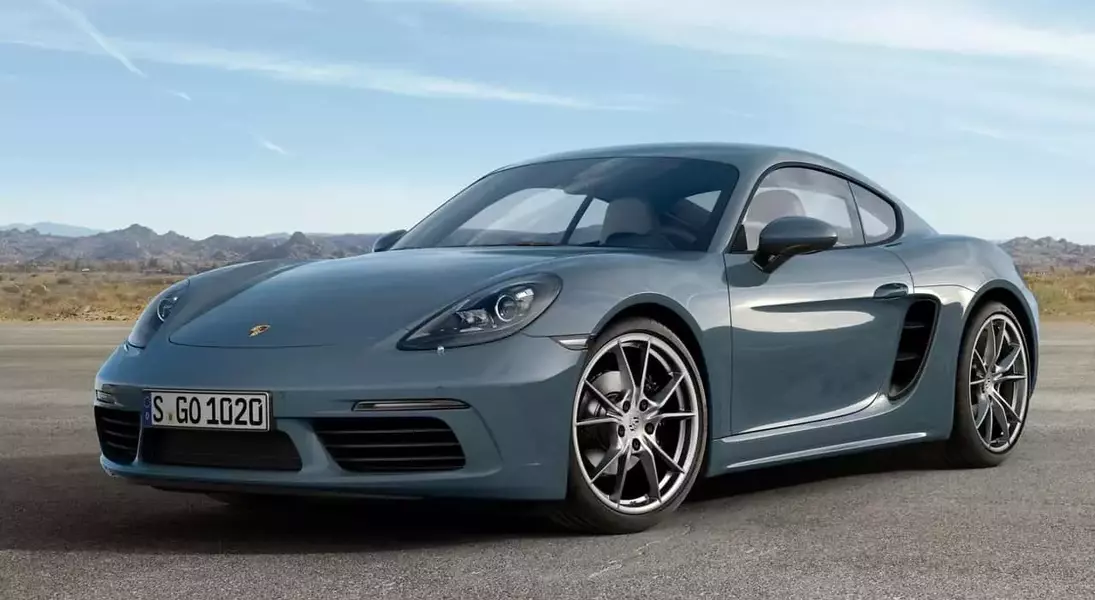
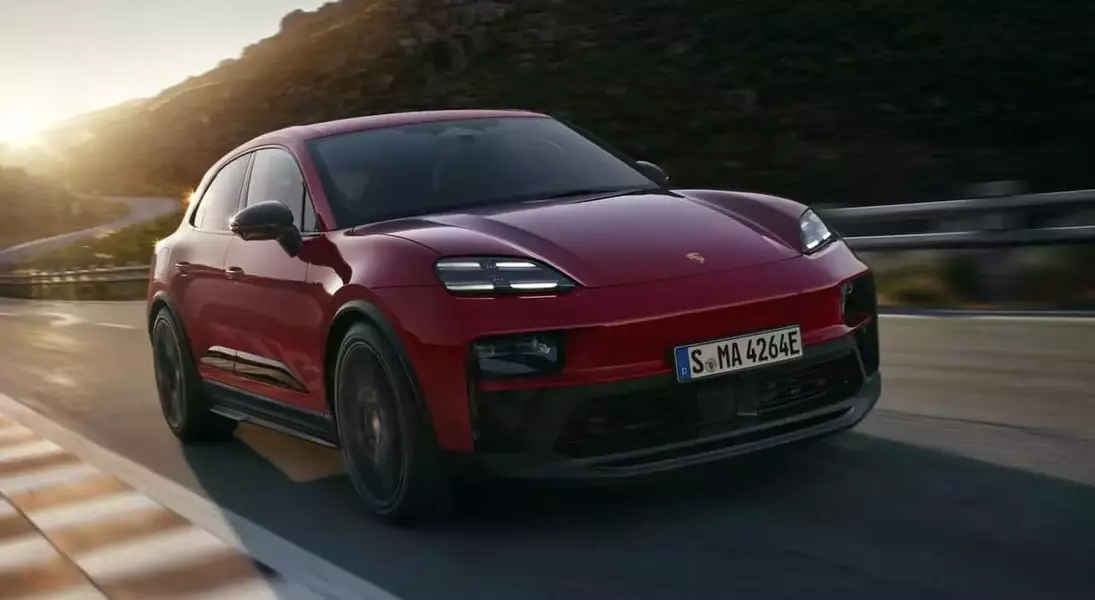
A critical issue for the automotive giant is the void in its entry-level segment, as production of the gasoline-powered Boxster and Cayman models ceased, while their electric successors face delays. The postponement of a new platform, intended for both Porsche and Audi electric models, has left a critical gap, impacting potential sales. Porsche's electric vehicle strategy itself shows signs of strain; although overall deliveries are within expectations according to sales chief Matthias Becker, the upcoming all-electric Cayenne is now heavily relied upon to stimulate demand. Furthermore, the company faces considerable pressure in China, where deliveries decreased by 21%, partly due to Porsche's refusal to engage in aggressive discounting amidst fierce local competition. Similarly, North American sales saw an 11% decline, exacerbated by high tariffs on imported European models, impacting profitability. In Europe, a decision not to update the gasoline Macan to meet new emissions standards has removed it from the market, despite continued consumer interest.
The financial repercussions of these challenges are stark. Profits after tax plunged by an alarming 91.4% to €310 million last year, a dramatic fall from nearly €3.6 billion in 2024. Revenues also decreased by approximately 10% to €36.3 billion. In response to these figures and the realization that its initial EV targets were overly ambitious, Porsche is now undertaking a comprehensive review of its electrification strategy, indicating a potential recalibration of its future product direction. While the Cayenne remains the top seller despite a 4% decrease, and the iconic 911 has seen a healthy 22% increase in sales, providing some stability, the overall picture suggests a period of significant adjustment and strategic re-evaluation for the brand.
In the face of adversity, true resilience shines brightest. Porsche's current challenges, while significant, offer an invaluable opportunity for introspection and innovative transformation. By critically assessing its market strategies and product development, especially in the evolving electric vehicle landscape, the company can emerge stronger and more aligned with future consumer demands. This period of re-evaluation is not merely a setback, but a crucial step towards forging a more sustainable and successful path forward, reinforcing its legacy of automotive excellence with renewed vigor and strategic clarity.
